IG Metall Seeks Real-Wage Protection in Pay Talks
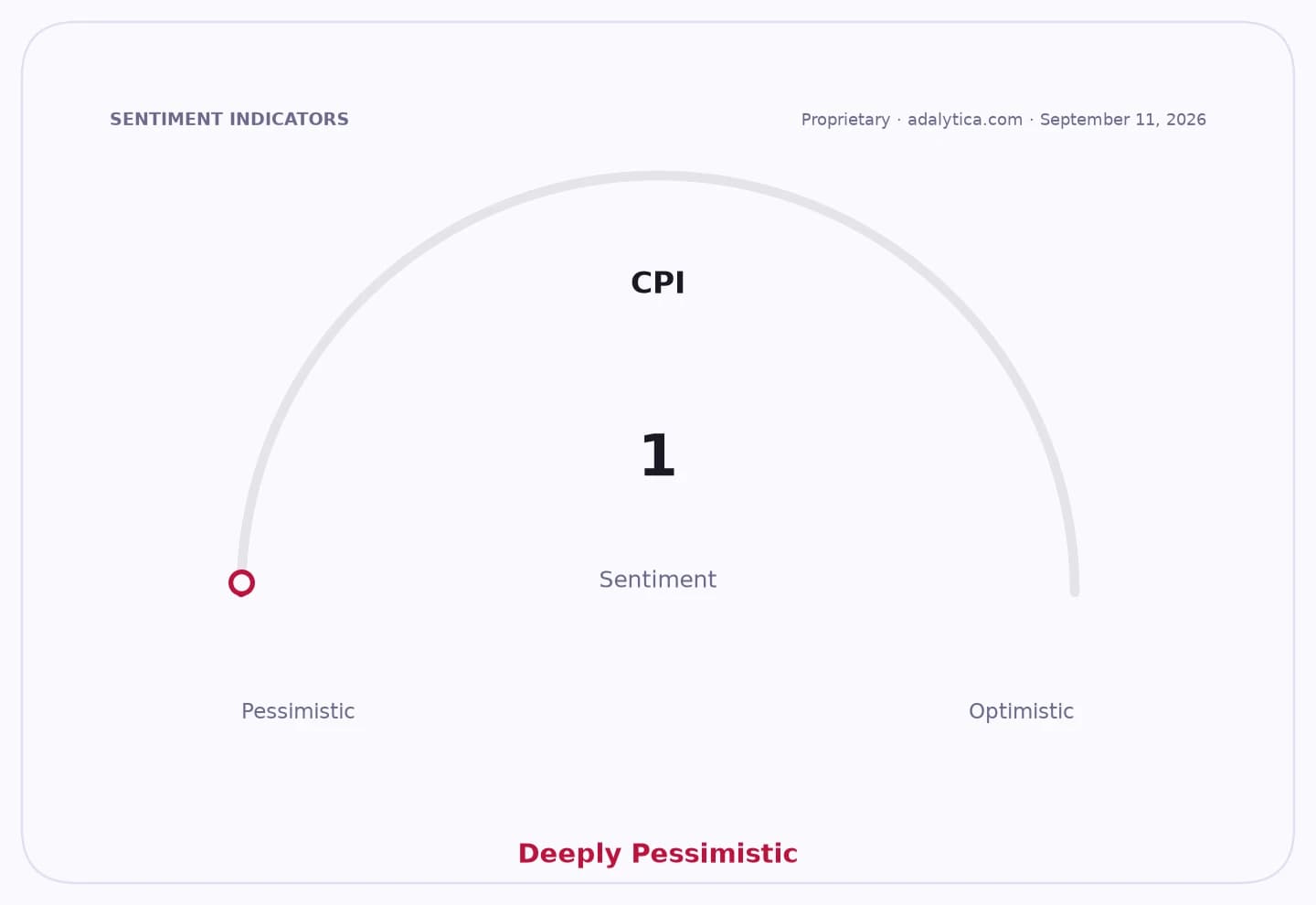
IG Metall is heading into Germany’s biggest industrial pay round demanding at least real-wage protection, a stance that raises the odds of labor unrest just as manufacturers are already under pressure from weak demand, job losses and recession fears.
The union said it will not accept pay restraint in the metal and electrical industry, arguing that workers’ purchasing power must be preserved and that companies, not employees, should shoulder the burden of industrial strain. That matters economically because the sector covers about 3.7 million workers across autos, machinery, metalworking, electrical equipment and related industries, making the talks a key input cost event for German manufacturing.
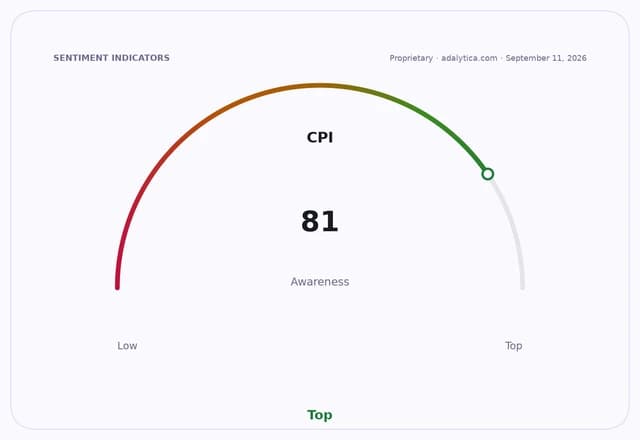
IG Metall’s push comes as thousands of industrial jobs are already at risk and as the debate over Germany’s competitiveness deepens. Union chief Christiane Benner said “giving up doesn’t help,” and called for an anti-dumping strategy, local-content rules and investment commitments from employers in exchange for any concessions. The message is aimed at preventing a broader erosion of domestic value creation as cheap imports and global competition squeeze margins.
The union said 47.8% of the 267,000 workers surveyed favored “moderate” pay increases, while 35% backed “strong” increases. IG Metall also warned companies such as Mercedes-Benz against challenging the 35-hour week, calling it part of the union’s identity and saying a switch to 40 hours without higher pay would amount to a 14% wage cut.
For investors, the timing matters. The current agreements expire on Oct. 31, negotiations with employers are set to start on Oct. 7, and there is no post-expiry peace obligation in this round, meaning warning strikes can begin immediately. That creates a near-term risk for production, supply chains and sentiment across Germany’s industrial complex, especially at auto makers and suppliers already dealing with soft orders.
The dispute also feeds into a wider European inflation and wage backdrop. With Germany’s economy still fragile and the euro near $1.16 against the dollar, any wage settlement that protects purchasing power rather than trims it would reinforce labor-cost pressure for manufacturers even as the broader industrial slowdown limits pricing power.
The immediate focus is the union board meeting on Sept. 23, when IG Metall is due to finalize its demand after consultations with regional tariff committees. The first real test for markets and management comes in October, when bargaining starts and the threat of strikes becomes operational rather than rhetorical.
| Entity | Gains | Losses |
|---|---|---|
| IG Metall workers | ▲Higher real wages | ▼Pay restraint |
| German manufacturers | ▲Labor stability if deal is moderate | ▼Cost pressure, strike risk |
| Mercedes-Benz and peers | ▲Avoid escalation if concessions are made | ▼35-hour-week challenge fails |
| Investors in autos/suppliers | ▲Clearer cost outlook if talks settle | ▼Production disruption if talks stall |