IHI sued in China over wartime labor claims
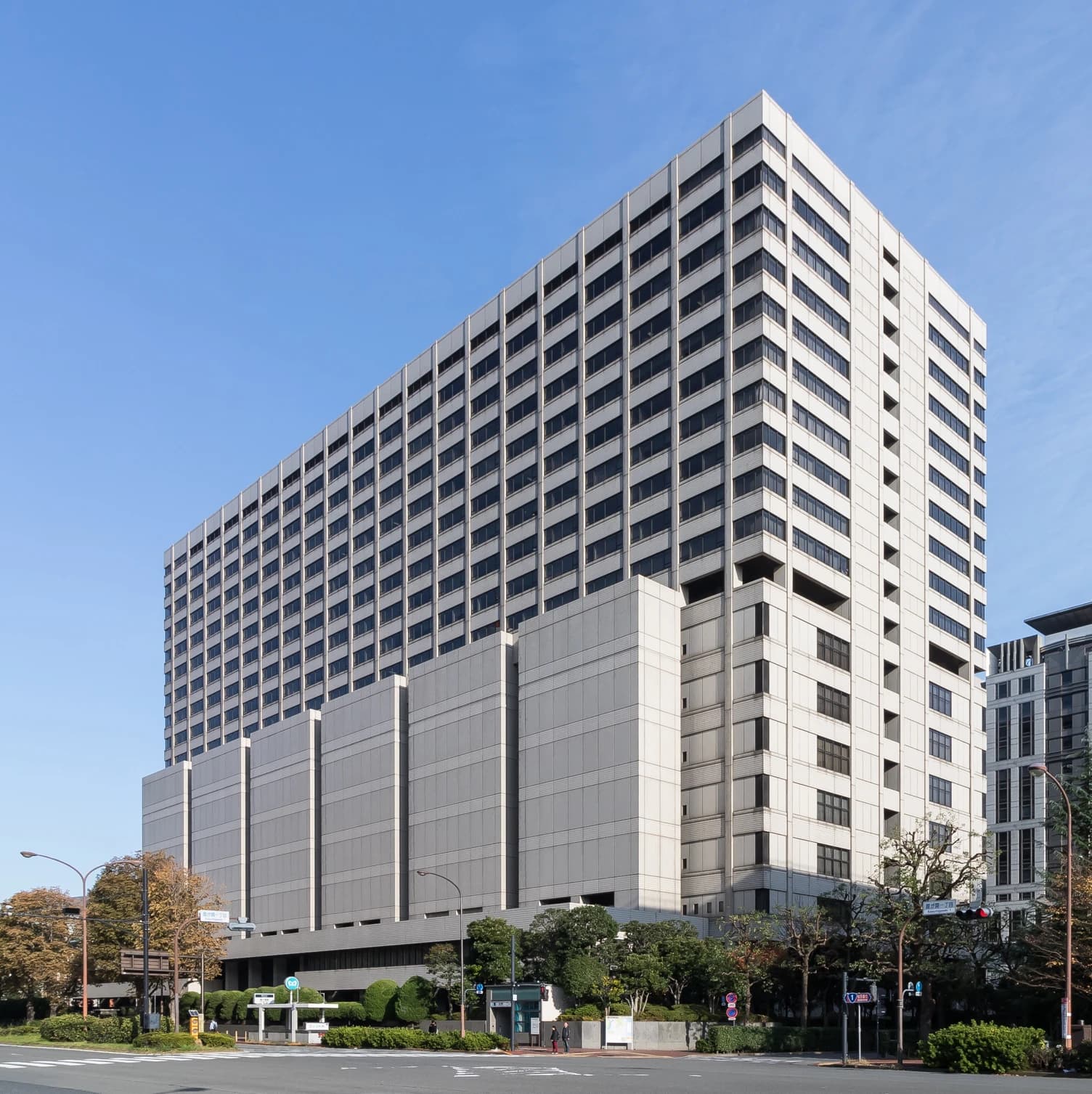
The heirs of 50 former Chinese workers have taken six Japanese companies, including IHI and Taisei, to court in China, reopening a decades-old wartime labor issue that carries legal, diplomatic and reputational risk for corporate Japan.
The suit, filed with the Hebei High People’s Court, seeks about 186 million yuan, or 400 million yen, in compensation and also asks for public apologies and a jointly funded memorial. Its economic significance is limited in direct financial terms, but the case matters because it revives a category of liability that Japan’s courts have largely shut down and could add to pressure on companies still exposed to historical claims, especially in China, where public sentiment and state messaging can amplify corporate risk.
For IHI, the legal overhang lands at a time when the stock has already been weak. The shares closed at 51.90 yen on Sept. 16, down from 56.55 yen a month earlier and below both the 50-day and 200-day moving averages, while the relative strength index at 25.7 points to oversold conditions. The move does not imply a fundamental hit from this lawsuit alone, but it shows the market has little cushion for fresh headline risk.
The broader issue is not the size of the damages sought — roughly $2.7 million — but the precedent. Japan’s Supreme Court ruled in 2007 that the 1972 Japan-China Joint Communiqué foreclosed individual compensation claims through the courts. That has not ended the political and moral debate. In China, similar lawsuits have continued, and in 2016 Mitsubishi Materials reached a settlement in a comparable case. Each new filing keeps alive a dispute that can strain bilateral ties and force companies to weigh legal defense costs, media scrutiny and the risk of negotiated settlements against the possibility of a court fight.
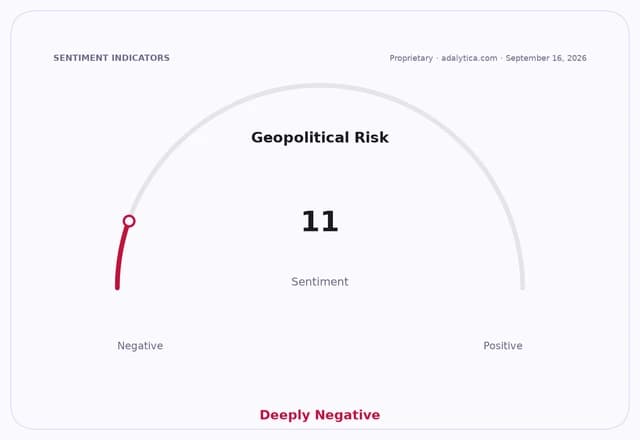
Beijing’s response underscores the geopolitical dimension. China’s foreign ministry said Japan should confront history and respond responsibly, while the Japanese government declined comment. That split matters for investors because such cases can quickly move beyond the courtroom: they can affect procurement relationships, local operating licences, brand perception and, in some cases, cross-border dealmaking. The risk is most acute for industrial and construction groups with deep exposure to Asia and to government-linked contracts.
For now, the key question is whether the court accepts the filing and opens a formal case. If it does, the suit could become a renewed flashpoint in already sensitive China-Japan relations. If it is rejected, the claims may still linger as a political issue. Either way, investors should treat the case less as a direct earnings event and more as a reminder that historical liabilities can resurface when diplomacy turns brittle.
| Entity | Gains | Losses |
|---|---|---|
| Former workers’ families | ▲compensation claim leverage | ▼long legal process risk |
| IHI and other defendants | ▲none from filing | ▼legal costs, reputational pressure |
| Chinese authorities | ▲nationalist and diplomatic leverage | ▼deeper bilateral friction |
| IHI shareholders | ▲potential clarity if dismissed | ▼headline risk and valuation drag |