Immigrants are suddenly facing a more expensive and uncertain path to credit as Trump’s new financial rules threaten to make banks more cautious about who they lend to, a shift that could tighten access to car loans, credit cards and mortgages for millions of households.
Immigration Rules May Tighten Consumer Credit
That matters because immigrants are a major source of loan growth in the U.S. consumer economy. When access to credit narrows for a large, working-age population, spending softens, housing demand cools and the risk profile of lenders changes at the margin. The market may see this as a political headline; banks and investors should see it as a potential re-pricing of a profitable lending niche.
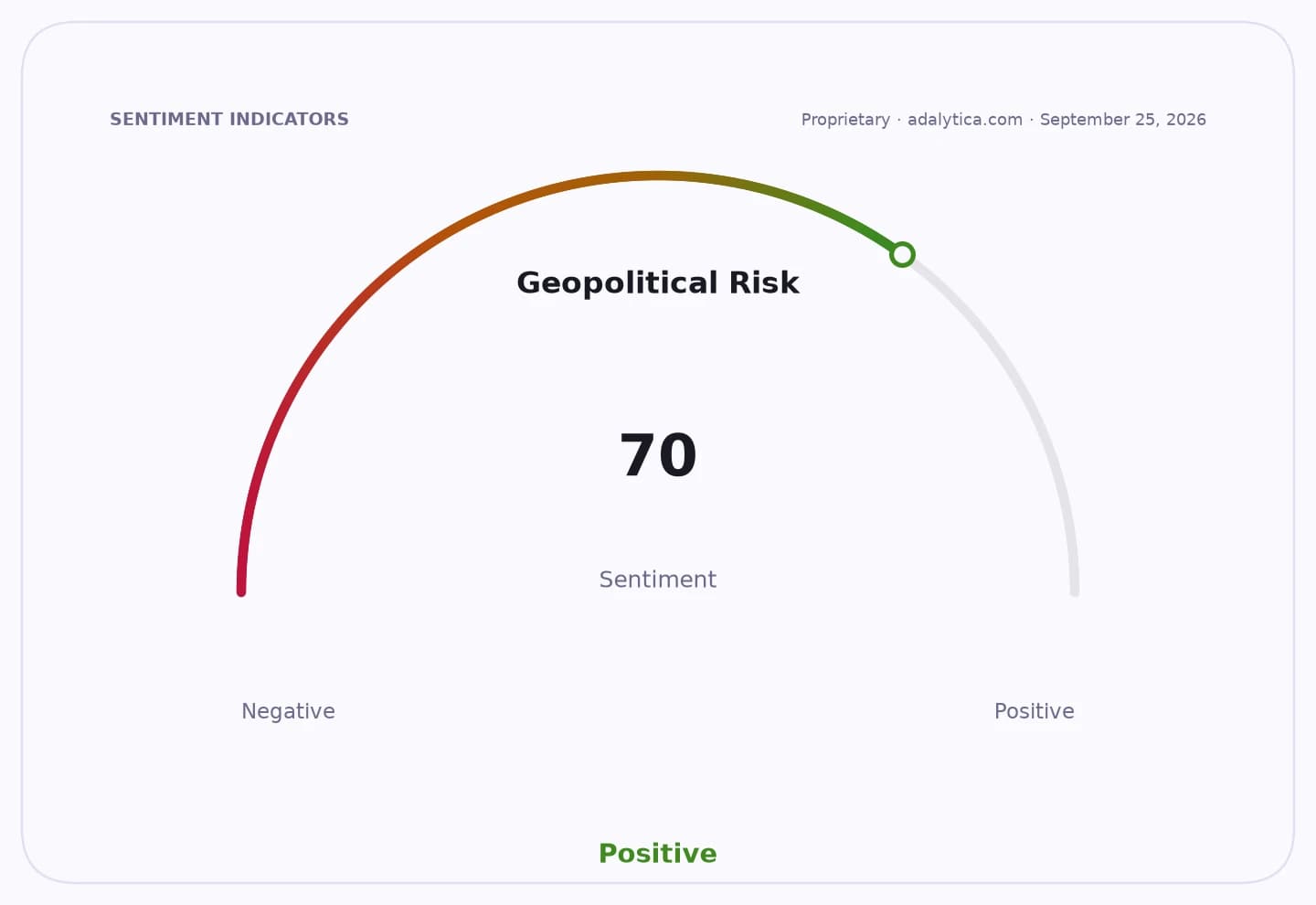
Sentiment IndicatorsⓘProprietary · adalytica.com · July 14, 2026
This is a snapshot — live sentiment, awareness and momentum for 130+ markets update continuously in the dashboard.Open AlphaPulse
The stakes are especially high at a time when the broader credit backdrop is already uneven. The unemployment rate is holding near 4.2%, suggesting labor demand is still intact, but credit stress remains elevated under the surface. High-yield debt spreads are around 2.69 percentage points, down from recent peaks, which tells you markets are not pricing in systemic panic. Still, household debt stress readings from Adalytica.com are flashing extreme strain, a reminder that consumers are not absorbing tighter underwriting with much cushion.
For lenders, the question is not whether they can keep lending — it is whether they can do so profitably if compliance burdens rise and documentation standards tighten. That is where the second-order effect kicks in. Banks that rely on mainstream consumer credit, including Capital One and Ally Financial, could face a smaller funnel of qualified borrowers in immigrant-heavy markets. More restrictive rules may also push some customers toward alternative lenders with higher rates, worsening affordability and default risk.
Capital One’s stock has been resilient, with shares trading above both the 50-day and 200-day moving averages, while Ally has also recovered from earlier weakness. But technical strength should not obscure the policy risk. If underwriting becomes more intrusive or uncertain, volume growth can slow even as credit performance looks stable. That is a classic margin-versus-growth tradeoff, and investors usually misprice it at the start.
Citigroup sits in a different position. Its consumer and wealth franchises can absorb broad regulatory changes better than smaller, more concentrated lenders, but any pullback in immigrant credit demand still filters through to fee income, deposit growth and card balances. In other words, this is not just a social-policy story. It is a distribution story for credit, deposits and consumption.
The bigger investment implication is that the winners may be the same businesses the market often overlooks: banks with diversified underwriting engines, loan-servicing platforms, payment processors and data-rich lenders that can adapt quickly without abandoning underserved borrowers. The losers are lenders dependent on volume growth from marginal credit expansion, and households forced into more expensive financing.
Our thesis is simple: the market underestimates how quickly immigration policy can become credit policy. If Trump’s rules tighten the pipes for immigrant borrowers, the ripple effects will show up first in auto finance, unsecured consumer lending and lower-tier housing demand — and that is where investors should be watching for the next mispricing.
| Entity | Gains | Losses |
|---|---|---|
| Large diversified banks | ▲Better risk control | ▼Slower loan growth |
| Immigrant borrowers | ▲— | ▼Tighter credit access |
| Specialty consumer lenders | ▲Higher pricing power | ▼Weaker origination volume |
| Alternative lenders | ▲More demand from rejected borrowers | ▼Higher default risk |