India adds Attari to e-Visa land port network
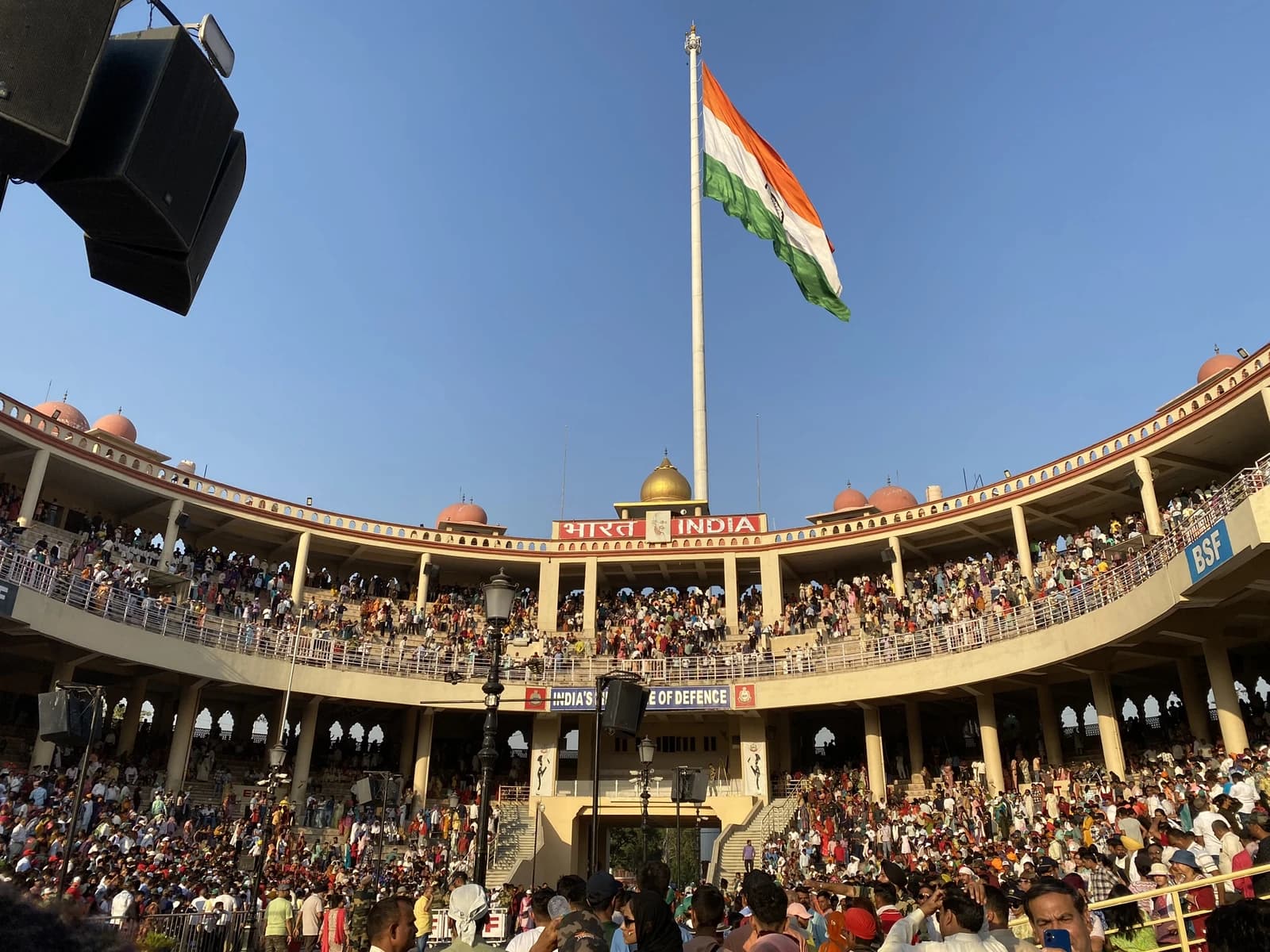
India’s decision to add Attari and eight other land ports to its e-Visa network is more than a travel tweak — it is a targeted easing of one of South Asia’s most politically sensitive mobility channels, with direct implications for cross-border trade, pilgrimage traffic and the handful of businesses exposed to India-Pakistan movement.
The move matters economically because border access is not just about passports; it is about logistics, tourism, services and the informal commerce that grows around legal crossings. By widening digital visa access to land routes, New Delhi is lowering one of the friction points that constrains travel demand and discourages scheduled movement through formal channels. That can support spending on transport, hospitality, local retail and border services, even if the broader bilateral relationship remains heavily politicized.
For investors, the significance is in the second-order effects. Easier access through Attari could modestly lift volumes for operators tied to the India side of the border, while reinforcing the case for Indian tourism, transport and infrastructure names that benefit from higher mobility and a push toward digitized travel processing. The broader signal is that India continues to use selective openness to support economic activity without changing its hard line on security and diplomacy.
The backdrop also matters for market positioning. India-focused funds such as the iShares MSCI India ETF, or INDA, have already shown resilience after a sharp spring selloff, with the fund recently trading back above its 50-day moving average even as momentum indicators strengthened. That suggests investors are willing to pay for India’s domestic growth story, and incremental policy steps that improve connectivity fit the same bullish narrative: faster movement, better utilization of infrastructure and a small but real boost to consumer-facing sectors.
Attari remains the most symbolically important crossing because it is the main legal land gateway between India and Pakistan. Any easing there will not transform trade overnight, but it can create a cleaner channel for pilgrims, relatives and approved travelers, which in turn can support allied services from buses and customs handling to hotels and local merchants. In a region where politics often blocks commerce, even limited operational improvements can compound over time.
The key takeaway for investors is simple: this is a small policy change with asymmetric upside for formal travel and border-linked services, and it reinforces India’s broader investment case as a market where incremental liberalization can still unlock economic activity.
| Entity | Gains | Losses |
|---|---|---|
| Indian border businesses | ▲More traveler traffic | ▼None directly |
| Pakistani travelers | ▲Easier legal access | ▼Higher scrutiny if rules tighten |
| India tourism and transport firms | ▲More cross-border demand | ▼Limited near-term impact |
| Informal border operators | ▲Less reliance on friction | ▼Some old bottlenecks |