India BJP Pushes MPs on Jobs and Prices

India’s ruling Bharatiya Janata Party is telling lawmakers to get back on the ground and answer voters’ complaints over jobs and prices, a sign that economic unease is becoming a political risk as growth cools and inflation remains stubborn.
The message matters because employment and living costs are now shaping the government’s policy room as much as the business cycle. When a governing party leans on MPs to sharpen outreach on household pain points, it usually reflects pressure from constituencies that are not being offset by headline growth figures or market-friendly macro indicators alone.
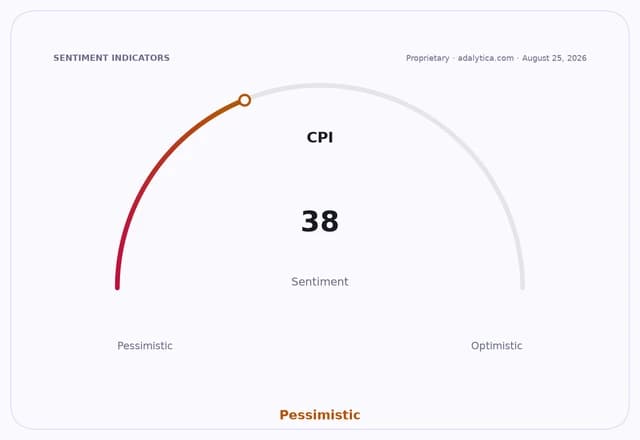
That backdrop helps explain why investors are watching India not just as a high-growth market, but as a place where policy credibility and consumer sentiment can move together. The latest U.S. inflation data show prices still rising in the world’s largest economy, while Indian policy makers are also confronting persistent price pressure and a softer growth outlook. In India, that combination keeps the Reserve Bank of India attentive to inflation even as activity slows, limiting the scope for aggressive easing if job creation disappoints.
For equity investors, the immediate question is whether political pressure over prices and employment will translate into more fiscal support, targeted welfare spending or a heavier policy push to protect consumption. That would be constructive for domestically oriented sectors, but it could also keep deficits and borrowing needs elevated, complicating the bond market outlook and constraining the government’s room to maneuver.
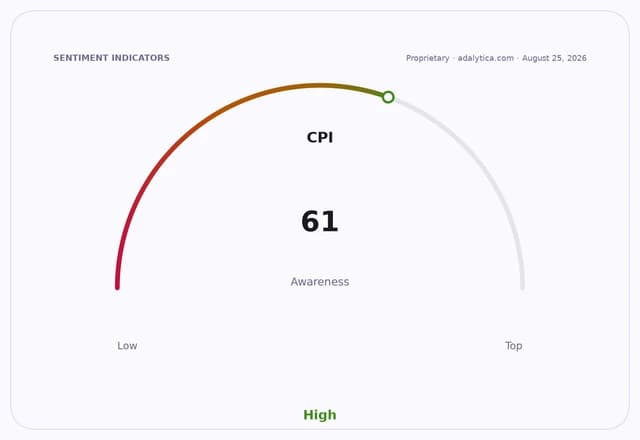
The market is already pricing India with more caution than the country’s long-term growth story would suggest. U.S.-listed India ETFs such as iShares MSCI India ETF and WisdomTree India Earnings ETF have struggled to regain momentum, with both trading below their 200-day moving averages. That reflects not just technical weakness, but a broader investor hesitation over whether earnings growth can stay ahead of valuation and policy risks if household demand stays under pressure.
The political narrative is straightforward: the BJP wants to reassure voters before discontent hardens into an economic issue. The investor narrative is sharper: jobs and prices are no longer just campaign themes, but the variables most likely to shape consumption, fiscal policy and the RBI’s next moves.
| Entity | Gains | Losses |
|---|---|---|
| BJP lawmakers | ▲campaign momentum from outreach | ▼pressure to explain weak sentiment |
| Consumers | ▲promise of policy attention | ▼higher prices, weak job prospects |
| RBI | ▲room to stay cautious on inflation | ▼less freedom to cut rates |
| India-focused equities | ▲support if fiscal aid lifts demand | ▼earnings risk if consumption softens |