India BRICS payment network could cut dollar use
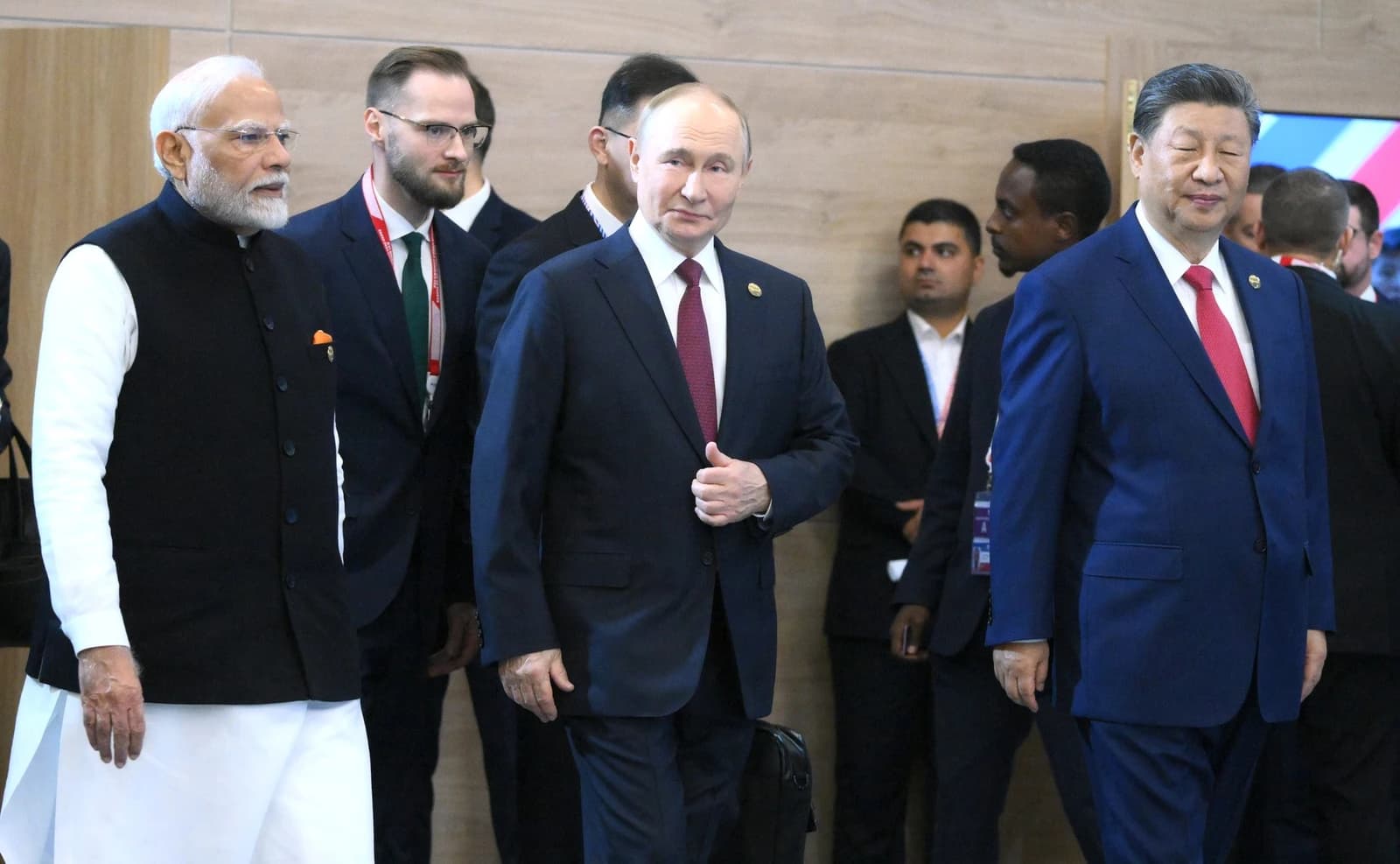
India is positioning BRICS for its most practical challenge yet to dollar dominance: a cross-border payment network built around central bank digital currencies and local settlement, not a single anti-dollar currency.
That matters because the real economic pressure point is not rhetoric about de-dollarization, but plumbing. BRICS nations traded about $1.17 trillion in 2024, and the bloc now accounts for roughly 24% of global exports. If those flows can be settled more directly in rupees, yuan and rubles through a shared technical rail, transaction costs fall, intermediary banks lose fee income and the dollar’s role as the default invoice currency weakens at the margin.
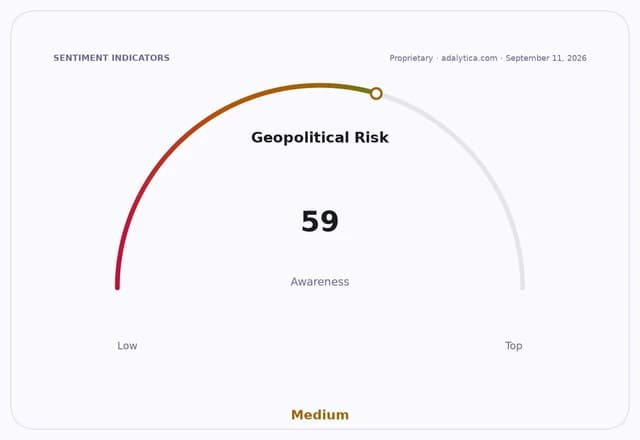
India’s proposal is notable precisely because it is trying to avoid the geopolitical backlash that would come with a formal rival to SWIFT. Instead, New Delhi is arguing for bilateral connectivity between national digital currencies, built on the logic of its own UPI system. In practice, that would let BRICS members settle trade without routing every payment through dollar-based channels, while each central bank keeps control of its own currency. The model is less dramatic than a common BRICS money, but more workable — and that may make it more dangerous to the existing system over time.
For investors, the implications are bigger than a headline about Washington “panicking.” A successful BRICS payment layer would reinforce the long-running push to local-currency trade settlement across emerging markets, increasing demand for domestic payment infrastructure, digital banking systems and settlement technology. It would also add a structural headwind for the U.S. dollar at the margin, even if the greenback remains dominant in global reserves and trade finance for years.
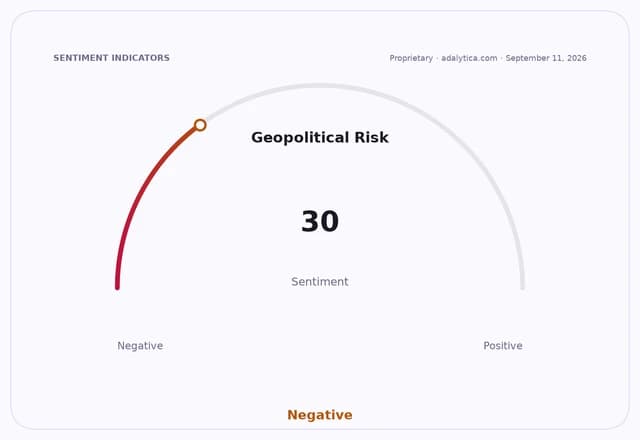
That is why the market should watch the second-order winners, not the political theater. Indian fintech infrastructure, cross-border payments providers, digital identity and settlement rails are the clearest beneficiaries if BRICS actually moves from concept to implementation. The losers are obvious too: intermediary banks, dollar-linked payment channels and any investor still assuming the dollar’s trade monopoly is unassailable.
The U.S. is unlikely to lose its reserve-currency status anytime soon, but the direction of travel matters. Every incremental shift that lets the world’s biggest emerging-market bloc settle trade outside the dollar system chips away at U.S. financial leverage and strengthens the case for owning the infrastructure that enables the next payment regime. For investors, the right move is to position early for the rails, not the rhetoric.
| Entity | Gains | Losses |
|---|---|---|
| India / UPI-linked rails | ▲Cross-border payments leadership | ▼Dollar-based dependence |
| BRICS exporters/importers | ▲Lower settlement costs | ▼Intermediary bank fees |
| U.S. dollar / SWIFT system | ▲— | ▼Marginal trade-share erosion |
| Fintech and payment infrastructure | ▲Higher adoption | ▼Legacy correspondent banks |