India BRICS summit draws economic payoff debate
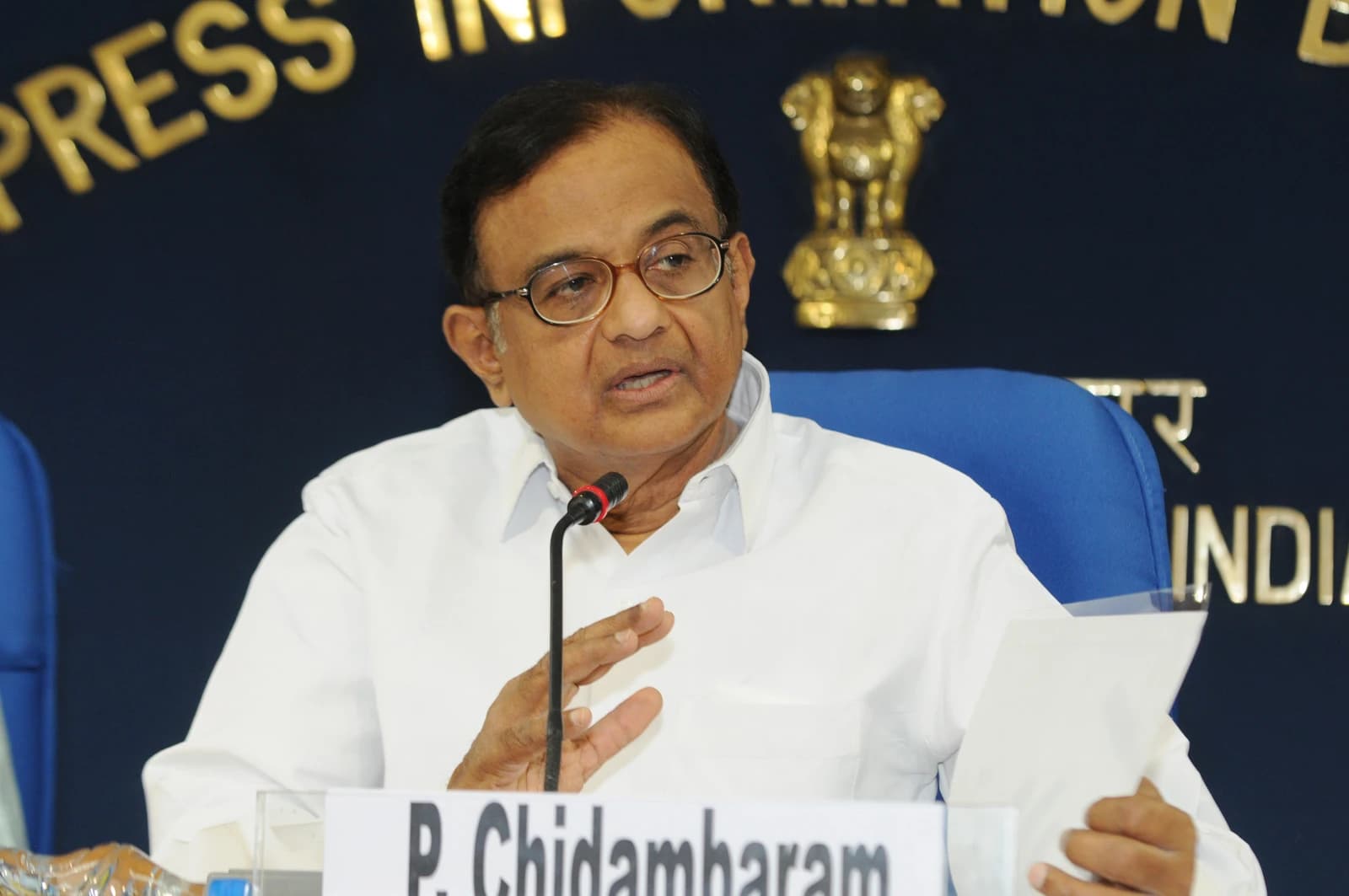
P Chidambaram’s swipe at BRICS, coming just as India prepares to host the bloc’s summit, has turned a foreign-policy stage into a domestic political fight over whether multilateral diplomacy is producing measurable economic gains.
The row matters because BRICS is no longer just symbolism for India. With the summit opening at Bharat Mandapam and leaders expected to discuss the West Asia crisis and other global shocks, New Delhi is using the meeting to project strategic autonomy, deepen ties with major emerging economies and preserve optionality as global trade becomes more fractured. That makes Chidambaram’s question — what tangible benefits India has received from BRICS, the SCO, G20 and QUAD — more than a partisan barb. It goes to the core of how the government sells diplomacy at a time when investors and businesses are looking for supply-chain resilience, market access and policy stability rather than communiqués.
The BJP’s counterattack shows why the issue resonates politically. Nalin Kohli accused the Congress of treating diplomacy as a transaction, arguing that one-on-one meetings between Prime Minister Narendra Modi and visiting leaders will still deliver value. That response reflects the government’s broader pitch: that summits can help India widen trade, attract investment and reinforce its role as a bridge between the developed world and the global south. For Modi’s administration, the optics of hosting the 18th BRICS summit also support a narrative of India as a more consequential geopolitical actor, especially as it assumes its fourth chairship after the grouping’s 20th anniversary.
For investors, the immediate market impact is limited, but the policy signal is not. India’s exposure to external shocks — from West Asia tensions to supply-chain disruptions — means the value of BRICS and other forums is judged less by rhetoric than by whether they reduce import risk, support commodity access and open routes for trade and capital. That matters for sectors tied to energy, logistics, exporters and large-cap multinationals, which benefit when India can keep channels open with both Western and non-Western blocs. The debate also underscores the political premium attached to foreign policy as the government heads into a cycle where economic diplomacy will be scrutinized for deliverables.
The broader narrative is that India’s summit diplomacy is increasingly being measured against hard economic outcomes. Chidambaram is arguing that the returns are unclear; the government is betting that the payoff is not in a single communique but in the accumulated leverage of being in multiple clubs at once. The coming summit will test which argument carries more weight — and whether India can translate high-profile diplomacy into something markets can price.
| Entity | Gains | Losses |
|---|---|---|
| Modi government | ▲Diplomatic visibility | ▼Pressure to show concrete results |
| BJP | ▲Defends summit messaging | ▼Inherits scrutiny over outcomes |
| Congress / Chidambaram | ▲Political attention | ▼Charges of undercutting India’s diplomacy |
| Investors / exporters | ▲Potential policy optionality | ▼Unclear near-term economic payoff |