India CBI files 20th Ajnara fraud charge-sheet
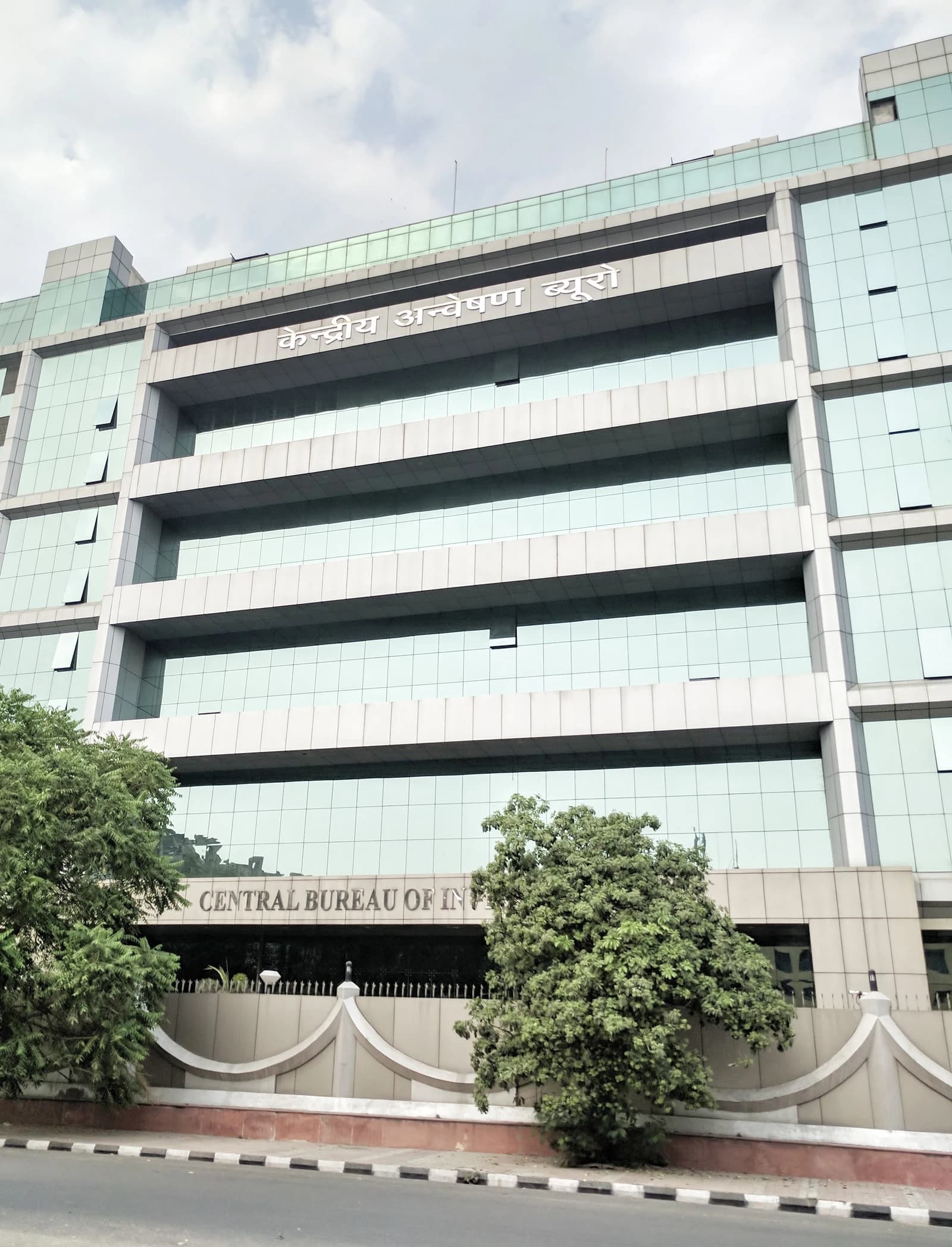
India’s sprawling homebuyer fraud probe has reached a new inflection point, with the Central Bureau of Investigation filing its 20th charge-sheet and widening the net to include Ajnara India, its promoters and directors, and 15 public servants linked to ICICI Bank, HDFC Bank, PNB Housing Finance and Sammaan Capital.
That matters because the case is no longer just about one stalled housing project in Noida. It now reinforces a broader pattern that investors in India’s real estate and credit markets cannot ignore: alleged collusion between developers and lender-side officials, fund diversion, and the use of housing finance as a transmission channel for fraud. For homebuyers, the consequences are delayed possession and frozen capital. For banks and non-bank lenders, the risk is reputational damage, deeper scrutiny of underwriting, and potentially more litigation tied to legacy project finance.
The charge-sheet relates to the Ajnara Ambrosia project in Sector 118, Noida, where the agency says the builder and its promoters induced buyers and investors through false assurances and misleading representations. The CBI filed the case before a special judge at the Rouse Avenue District Courts in New Delhi under provisions of the Indian Penal Code and the Prevention of Corruption Act, citing criminal conspiracy, cheating and criminal breach of trust.
The bigger investment takeaway is that India’s real estate clean-up is still working through the system, and the market underestimates how long that process can weigh on funding flows for stressed developers. Every new charge-sheet keeps pressure on the ecosystem: it raises compliance costs for lenders, slows risk appetite for project finance, and strengthens the case for safer, better-capitalized housing names and formal lenders with tighter governance. It also underscores why selective exposure matters in a sector where execution risk, legal overhangs and refund liabilities can destroy equity value faster than sales growth can build it.
The CBI said the case is part of a wider Supreme Court-directed investigation into alleged diversion of funds and cheating of homebuyers by developers in collusion with financial institution officials. It is also probing 34 other cases across the country, and has already filed 19 charge-sheets against builders including Rudra Buildwell Constructions, Dream Procon, Jaypee Infratech, AVJ Developers, CHD Developers, Logix City Developers, Shubhkamna Buildtech, Ninex Developers and Earthcon Universal Infratech.
For investors, the message is clear: the beneficiaries of this cleanup are lenders and developers with clean balance sheets, transparent land banks and credible delivery records, while the losers are heavily leveraged builders, opaque project financiers and any institution still exposed to legacy governance risk. The next catalyst will be whether more cases translate into faster enforcement, stricter bank controls and a lasting re-rating of the sector’s highest-quality names.
| Entity | Gains | Losses |
|---|---|---|
| Clean, well-capitalized developers | ▲Better relative credibility | ▼No benefit from sector cleanup |
| Banks with tight underwriting | ▲Lower long-term credit risk | ▼Near-term scrutiny of legacy loans |
| Stressed builders and promoters | ▲None | ▼Legal overhang, funding pressure |
| Homebuyers and investors | ▲Better accountability | ▼Delayed possession, trapped capital |