India closing auction test after Nifty 200-point spike
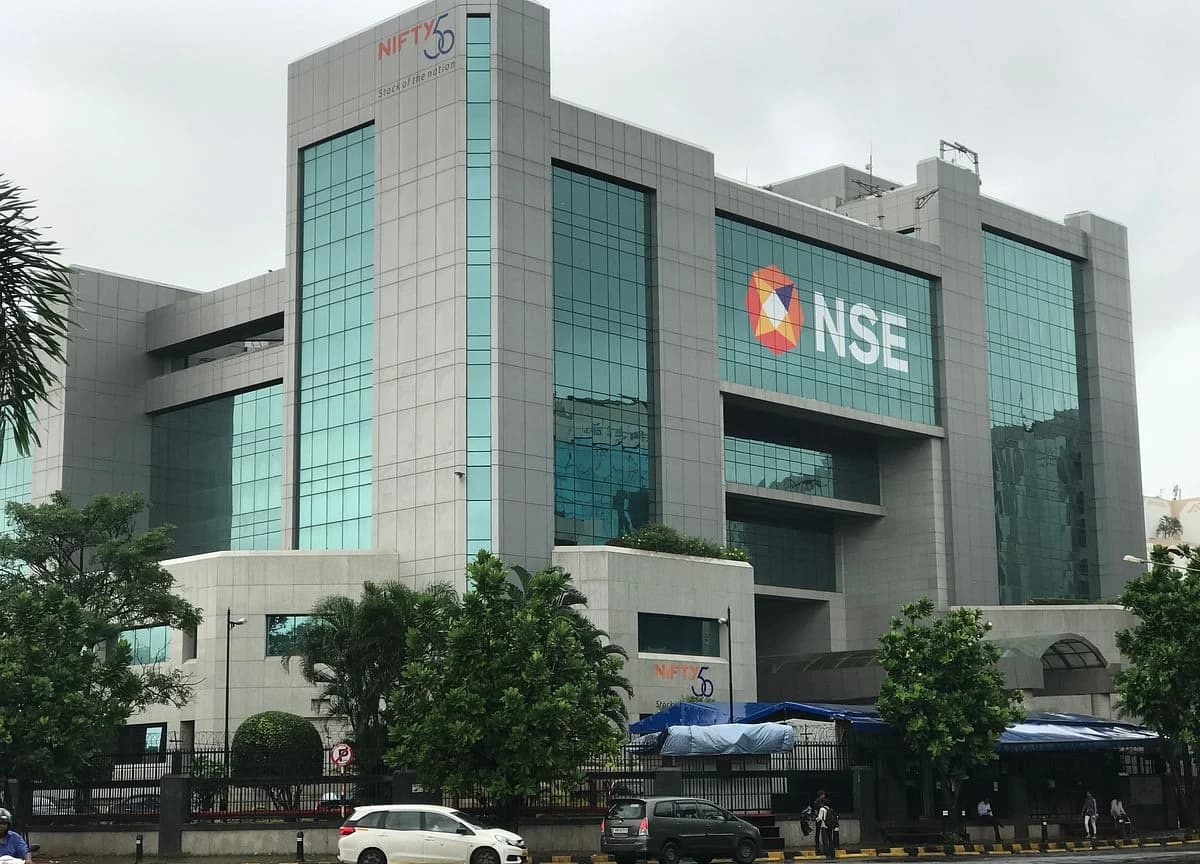
Traders are bracing for the first meaningful test of India’s new closing auction as the Nifty’s 200-point spike has made the final minutes of trade more important for price discovery and execution quality.
The auction is drawing extra scrutiny because index moves late in the session can now have a bigger impact on benchmark pricing, fund rebalancing and end-of-day flows. For investors, that raises the stakes for passive funds, arbitrage desks and institutions that rely on the close to set valuations and manage tracking error.
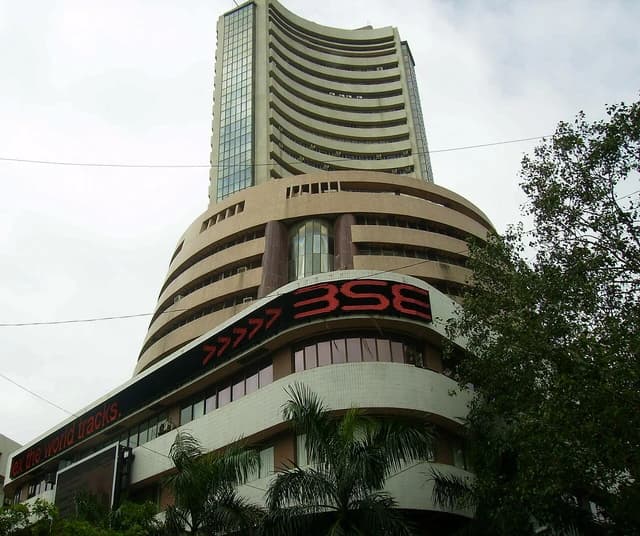
The benchmark’s move has also pushed exchange-traded products tied to Indian equities back into focus. The iShares MSCI India ETF, which tracks a broad basket of large Indian stocks, was last around $42.99 after a volatile stretch that included a drop to $40.25 in March and a recovery from that low, while remaining below its 200-day moving average of about $44.01. Its relative strength index at 59.6 suggests improving momentum without yet reaching extreme overbought levels.
That matters because any disorderly close would ripple beyond the Nifty itself. Foreign investors, domestic mutual funds and hedgers use the closing print to benchmark performance and roll positions, while tighter end-of-day liquidity can amplify moves in an index that has already shown sharp intraday swings.
The broader market backdrop remains delicate. The ETF’s 50-day moving average near $42.38 sits just under the spot price, but its 200-day trend is still overhead, underscoring that the rebound is not yet a clean breakout. Traders will be watching whether the closing auction smooths the last-minute spike or exacerbates it as more capital shifts into the final minutes of trade.
The next catalyst is the first heavy-volume session under the revised auction format, where fund flows, derivatives hedging and any benchmark rebalancing should show whether the new close improves efficiency or creates fresh volatility.
| Entity | Gains | Losses |
|---|---|---|
| Passive funds | ▲Better end-of-day pricing | ▼Tracking slippage |
| Active traders | ▲More volatility opportunities | ▼Less predictable close |
| Brokers and exchanges | ▲Higher auction participation | ▼More scrutiny on execution |
| Index trackers | ▲Cleaner benchmark alignment | ▼Late-session price swings |