India core inflation sticky as RBI holds repo at 5.25%
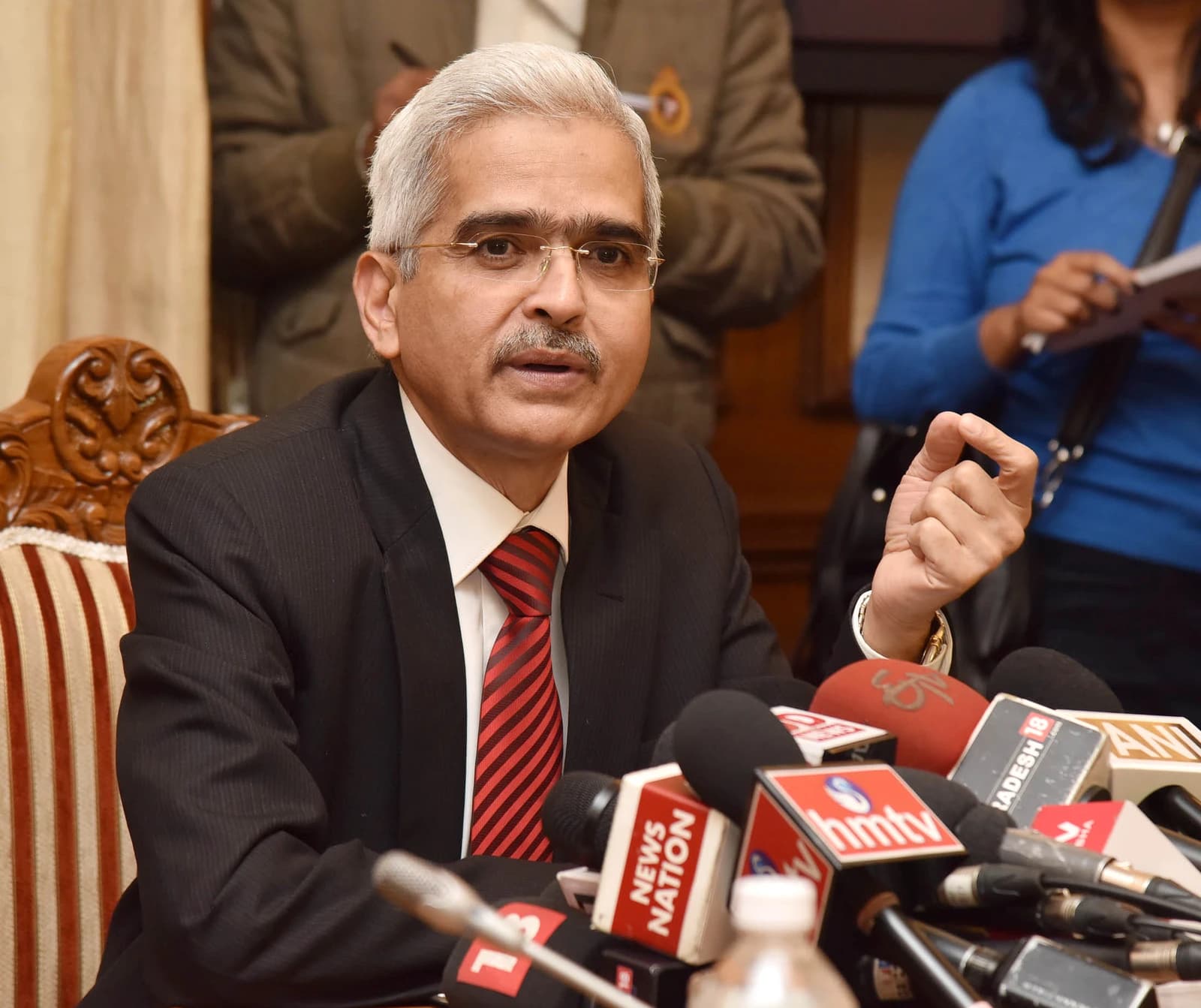
Consumer companies’ ability to pass on higher costs is likely to keep India’s core inflation sticky even as the Reserve Bank of India maintains a relatively benign outlook and holds its repo rate at 5.25% for a fourth straight review.
That matters because core inflation, which excludes food and fuel, is the part of the price basket most closely tied to domestic demand and service-sector pricing power. If consumer staples makers continue lifting prices, the RBI may be slower to declare victory over inflation than its own forecasts suggest, limiting room for easier policy if growth cools.
The tension is visible in the market and in company charts. Hindustan Unilever’s shares have fallen about 15% from a late-June level near 2,260 rupees to 2,093.10 rupees on Aug. 6, while Dabur India has slid to 415.20 rupees from 481.45 rupees in early May. Nestle India has held up better, trading around 1,521.40 rupees after a run-up that pushed its price above both its 50-day and 200-day moving averages, but even there the shares are now in technically extended territory with an RSI above 70, a sign the rally may have moved ahead of fundamentals.
The broad market message is that investors are wrestling with two conflicting forces: pricing power can protect margins for consumer firms, but it can also keep inflation elevated enough to delay monetary easing. For households, higher sticker prices on daily essentials erode purchasing power and can curb volume growth, which is why the bull case for these stocks rests on margin defense rather than robust demand. The bear case is that repeated price hikes, especially in a still-sensitive rural market, eventually weaken consumption and force companies to rely on revenue growth that masks sluggish volumes.
Adalytica’s CPI sentiment gauge sits at an “Extreme Greed” reading of 99, suggesting inflation remains a crowded macro concern among market participants. That aligns with the RBI’s cautious stance even as the central bank trims its inflation outlook and lifts its growth forecast for FY27. The policy mix implies the RBI sees enough disinflation to avoid tightening, but not enough to justify a rapid shift toward cuts.
For investors, the key question is not whether consumer companies can raise prices — many can — but how much of that pricing can be sustained without damaging demand. If price hikes persist while volume growth stays weak, staples may preserve earnings in the near term but at the cost of slower category expansion. If price increases stall, margins could come under pressure, particularly for firms that have been leaning on premiumization and cost absorption to protect profitability.
The next catalyst is whether food and fuel pressures, along with company-level pricing decisions, feed into the broader core inflation trajectory over the coming policy reviews. If core inflation stays sticky, the RBI’s benign rhetoric will look increasingly conditional rather than durable.
| Entity | Gains | Losses |
|---|---|---|
| Consumer staples firms | ▲Margin protection | ▼Volume growth |
| Households | ▲Limited near-term disinflation | ▼Purchasing power |
| RBI | ▲Policy flexibility if inflation eases | ▼Credibility if core stays sticky |
| Longs in consumer stocks | ▲Pricing power thesis | ▼Demand slowdown risk |