India’s cotton productivity push may cap prices
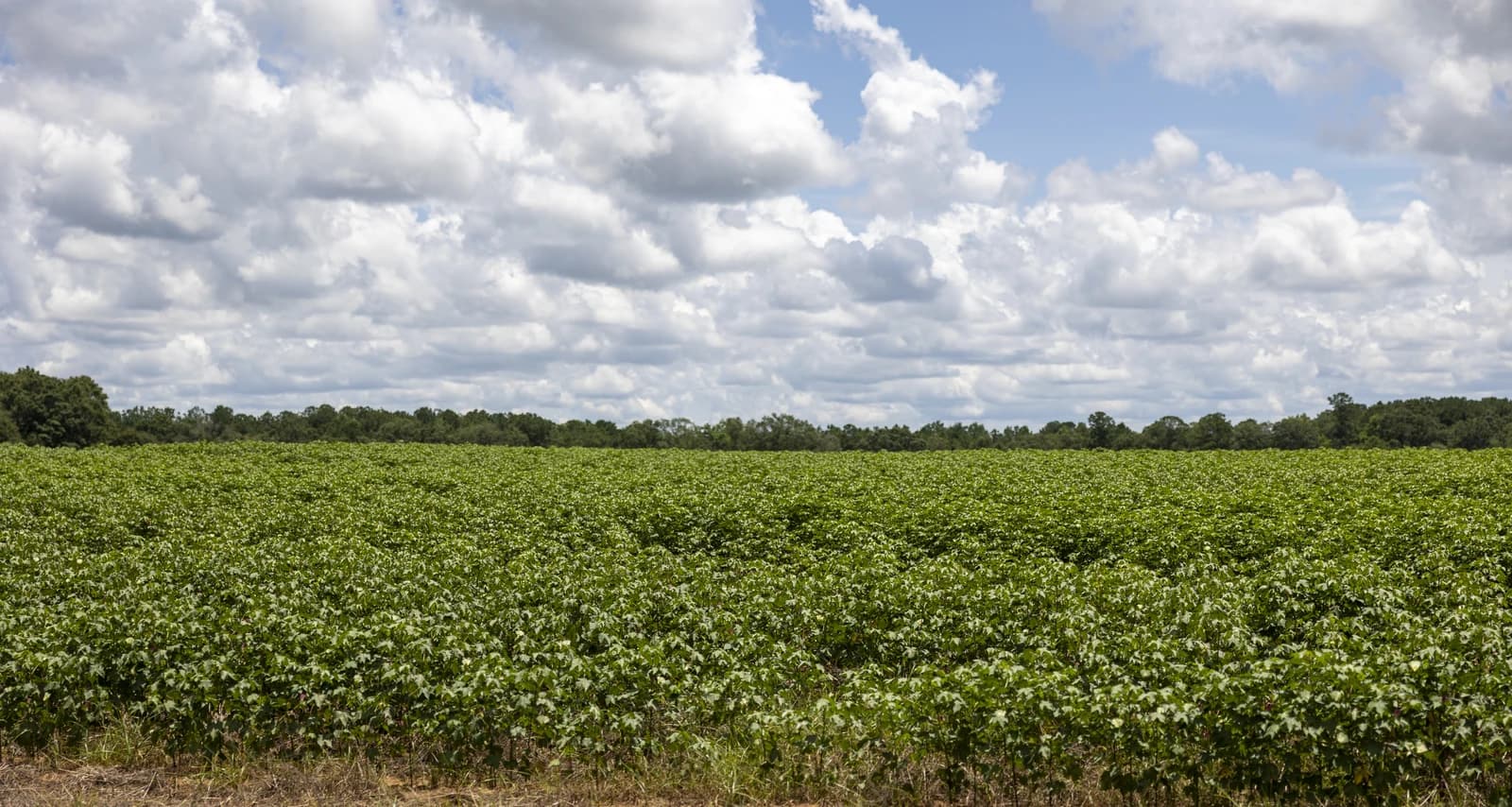
Cotton prices are holding broadly stable, but the more important shift is on the supply side: governments and producers are moving to lift output just as demand remains uneven and macro inflation still hangs over the textile chain.
That matters because cotton is a classic balance-of-farm-income and consumer-cost commodity. When prices stop swinging sharply, mills, apparel brands and traders get some relief on procurement and hedging, but farmers and exporters are really watching whether policy support can offset weather risk, seed quality problems and weak productivity. The latest backdrop points to a market that is not in distress, yet is not free of structural pressure either.

In India, the government’s new Mission for Cotton Productivity is the clearest catalyst. Prime Minister Narendra Modi’s administration is trying to raise yields per acre and support farmers in key growing states such as Gujarat, while ministries and the Cotton Corporation of India are pushing coordination across the value chain. The policy response is economically significant because India is one of the world’s most important cotton producers and a major source of raw material for its textile sector. Higher productivity would lower unit costs for mills, improve farm incomes and reduce the need for market intervention if output becomes more reliable.
The timing is crucial. Erratic rainfall has already raised crop risk, while fake seed issues continue to threaten planting outcomes and yield quality. That combination tends to keep traders cautious even when headline prices are calm. Stable prices can look like balance, but in cotton they often reflect a market waiting to see whether the next crop cycle tightens or loosens supply.
The broader inflation backdrop also argues for caution. U.S. producer prices for cotton have risen from 275.979 in March 2026 to a forecast 298.1505 in June, while consumer prices continue to edge higher. That does not point to a cotton-specific shock, but it does suggest the commodity remains embedded in a higher-cost environment, which can squeeze margins for apparel makers and retailers if raw material costs rise faster than they can pass them through.
For investors, the significance is uneven across the chain. Textile and apparel companies benefit most from price stability because it improves input-cost visibility and reduces working-capital strain. Farmers and seed suppliers may lose if policy-led output gains eventually add supply faster than demand grows. Traders also face a narrower range of opportunities if volatility stays subdued, though any weather setback or policy disappointment could quickly restore it.
The Indian mission is therefore more than an agricultural initiative. It is a signal that one of the world’s key cotton producers wants to move from managing shortages and quality problems to actively lifting productivity. If it works, it could cap medium-term price upside and support downstream manufacturing. If it fails, the market may remain stable only until the next supply shock.
| Entity | Gains | Losses |
|---|---|---|
| Textile mills | ▲Steadier input costs | ▼Less upside from tight supply |
| Apparel brands/retailers | ▲Better margin visibility | ▼Less chance to pass through shocks |
| Indian farmers | ▲Higher yields if mission works | ▼Crop risk from weather and seeds |
| Cotton traders | ▲Volatility if weather shocks return | ▼Range-bound prices in calm market |