India’s direct-to-home television business is losing subscribers fast, and that is the clearest sign yet that streaming is no longer nibbling at the edges of traditional pay TV — it is taking share in a structurally changing media market.
India DTH Subscriptions Fall as Streaming Grows
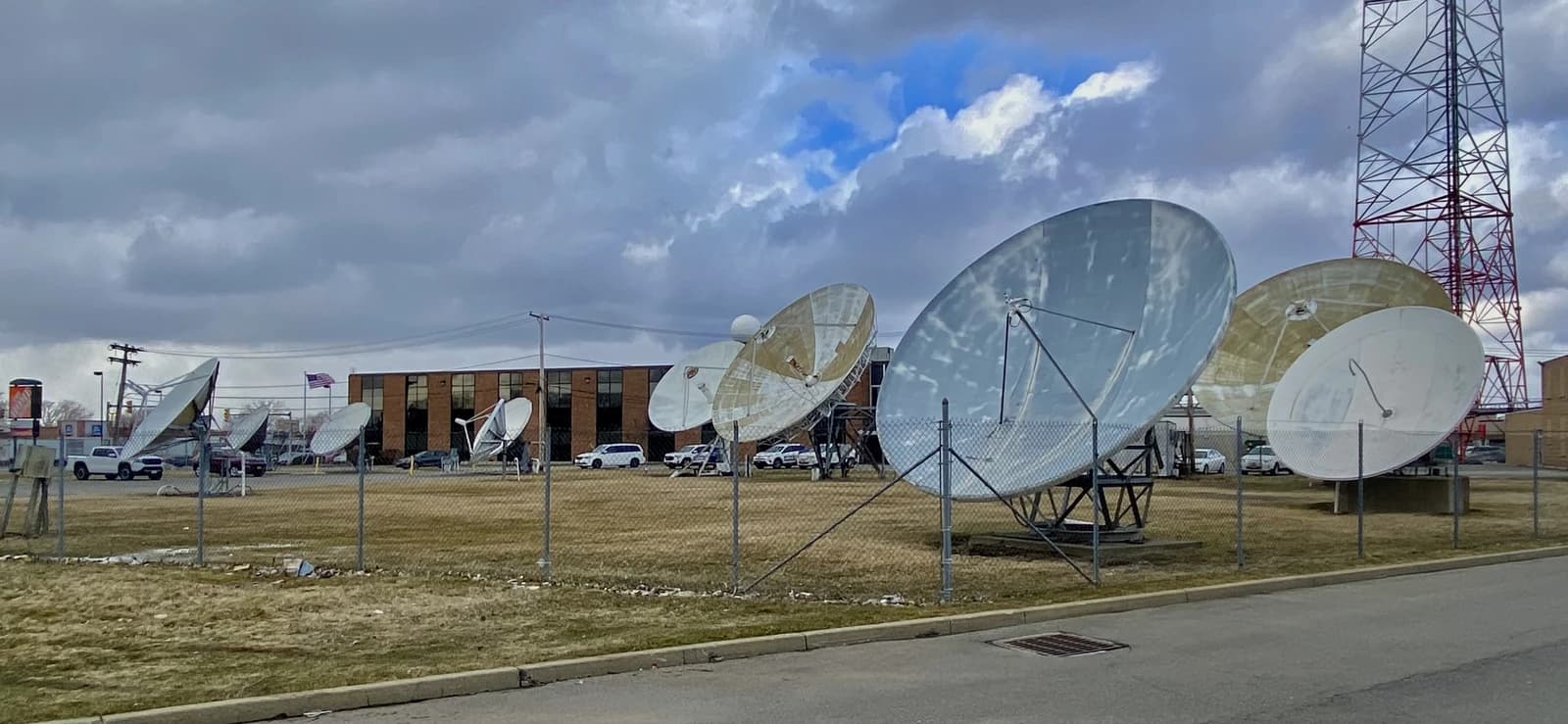
The headline number is stark: about 75 lakh people switched off DTH connections in a year. That kind of attrition matters because it hits the core economics of the old television bundle, where set-top box fees, carriage revenue and sticky monthly subscriptions once underpinned cash flow. As viewers migrate to mobile screens and on-demand platforms, broadcasters and distributors face weaker pricing power, lower churn resistance and a tougher fight to hold household attention.
The shift is bigger than one company or one technology. It reflects a reallocation of consumer spending from legacy TV packages to cheaper, more flexible digital entertainment. That is exactly why global media groups have been pushing harder into streaming and free ad-supported channels. The BBC’s decision to launch a continuous Top Gear stream on YouTube fits the same pattern: broadcasters are following viewers online rather than waiting for them to return to linear TV.
For India’s pay-TV ecosystem, the pressure is likely to keep building. Operators tied to satellite and cable distribution will have to defend relevance with better bundles, broadband integration and more digital-first content. But the structural headwind is hard to ignore when younger audiences are already comfortable living inside OTT apps and social video platforms. The more time viewers spend there, the less valuable the DTH set-top box becomes.
Investors should treat this as a secular decline story for traditional distribution and a tailwind for streaming, broadband and digital advertising infrastructure. That does not mean every media name wins automatically — content costs are rising and monetization remains uneven — but the winners are increasingly the platforms that own consumer data, direct relationships and cross-screen reach. Legacy distributors, by contrast, are fighting a shrinking pool of high-value households.
Television and media stocks can still rally on isolated content hits, but the long-term setup is clear: the market underestimates how quickly India’s viewing habits are moving away from the old bundle. The best positioning is to own the pipes and platforms that benefit from the shift, not the stranded assets that depend on viewers staying put.
| Entity | Gains | Losses |
|---|---|---|
| Streaming platforms | ▲More watch time | ▼None from DTH churn |
| Broadband and data providers | ▲Higher usage demand | ▼Legacy TV stickiness |
| Legacy DTH operators | ▲— | ▼Subscriber base erodes |
| Content owners with multi-platform reach | ▲New audience access | ▼Pricing power weakens |