Target employees may not welcome a proposed boost in retirement-linked benefits if it comes with higher payroll deductions, even as governments elsewhere move to expand worker protections and social security coverage. For employers and investors, the bigger issue is that benefit reforms can lift labor costs at the same time consumer-facing companies are already managing pressure on margins and wages.
India Raises EPF Wage Ceiling to ₹25,000

In India, the Union Cabinet has approved raising the Employees’ Provident Fund wage ceiling to ₹25,000 from ₹15,000, a move that would bring more than 51 lakh workers into higher provident fund and pension contributions from 2026. The policy is designed to deepen retirement savings and broaden social security coverage, but it also increases the cost of formal employment for companies and can reduce take-home pay for workers who are newly pulled into the system.
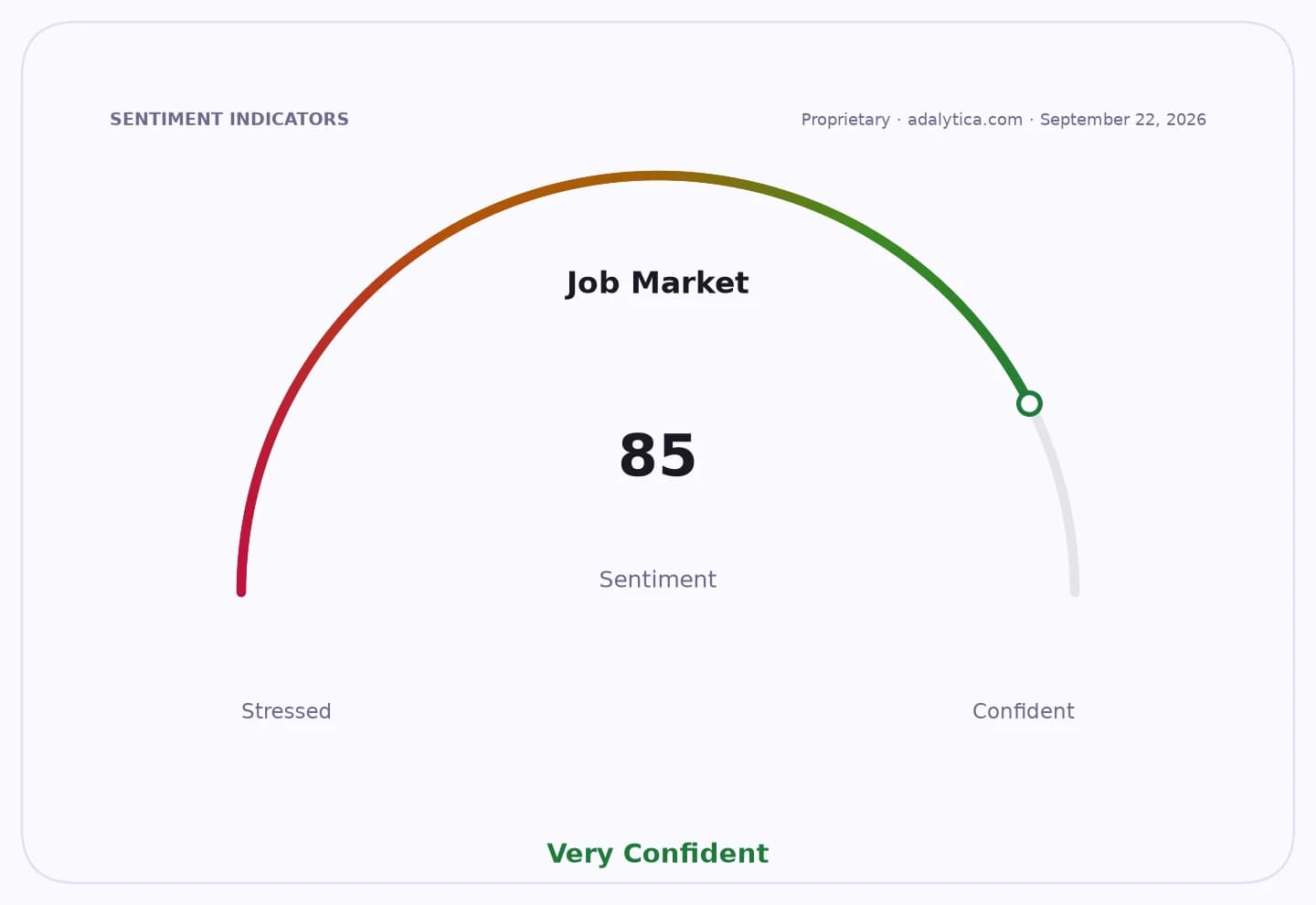
Sentiment IndicatorsⓘProprietary · adalytica.com · September 29, 2026
This is a snapshot — live sentiment, awareness and momentum for 130+ markets update continuously in the dashboard.Open AlphaPulse
That matters because labor policy is no longer just an HR issue for large retailers and manufacturers. It affects operating leverage, staffing models and the affordability of hiring across the economy, particularly in businesses with large workforces and thin margins. U.S. retailers such as Target are also under constant investor scrutiny over wage inflation, healthcare costs and other employee-related expenses, which can squeeze profitability if sales growth does not keep pace.
Target shares have been volatile but remain well above their 200-day moving average, while the 14-day RSI has eased from overbought levels to a more neutral reading, suggesting traders are watching for the next catalyst rather than pricing in a sharp move. In a broader labor-market backdrop that remains tight by conventional measures, policy changes that expand benefits tend to help workers on paper but often force employers to absorb higher costs, and investors usually focus on whether companies can pass those costs through to consumers.
The immediate catalyst is implementation in 2026, when the new ceiling is set to take effect. For Target and other retailers, the key question is whether higher employee benefits arrive alongside enough sales growth to protect margins, or whether they become another drag on earnings in an increasingly cost-sensitive consumer economy.
| Entity | Gains | Losses |
|---|---|---|
| Workers | ▲Higher retirement savings | ▼Lower take-home pay |
| Employers | ▲Stronger retention appeal | ▼Higher payroll costs |
| Government | ▲Broader social security coverage | ▼Political pressure over costs |
| Target shareholders | ▲Potentially better labor stability | ▼Margin compression risk |