India Farm Law Reform Faces Protest Test

India’s renewed push for farm law reform is setting up a high-stakes test of whether New Delhi can modernize agriculture without deepening rural unrest, a tension that matters for food inflation, consumer spending and the country’s broader growth story.
The issue is economically important because Indian agriculture still employs a huge share of the workforce while contributing a far smaller slice of output, leaving the sector trapped in low productivity and chronically weak farm incomes. Any serious reform agenda that improves market access, pricing efficiency and supply-chain investment could lift rural purchasing power over time, but the political cost of forcing change through protests could delay the very gains investors want to see.
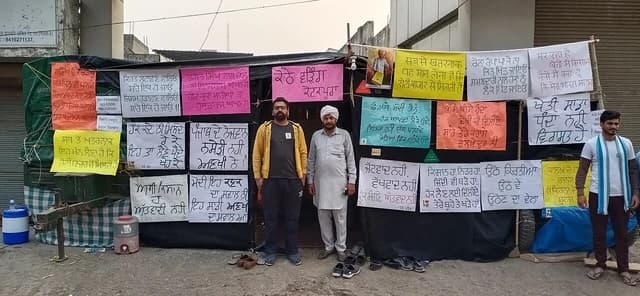
That is why the current wave of demonstrations matters well beyond the fields. Farmers are protesting drought declarations, low purchase prices and loan burdens, and some groups have blocked roads or staged hunger strikes, underscoring how quickly agrarian distress can spill into logistics, local commerce and state-level politics. Talks with a Union minister are due Sept. 4, suggesting the government still has room to negotiate, but the protests also show that farm policy remains one of India’s most combustible economic fault lines.
For investors, the near-term read-through is two-sided. On one hand, deeper reform could ultimately benefit agribusiness, food processors, logistics providers and companies tied to storage, irrigation and agricultural inputs by making India’s food supply chain more efficient and more investable. On the other hand, prolonged unrest raises the odds of policy delay, higher fiscal giveaways and continued pressure on food prices, which can complicate the Reserve Bank of India’s inflation fight and cap upside for consumer-sensitive sectors.
That is where the market is still too complacent. India’s long-term investment case depends on whether it can convert its rural base from a drag on growth into a source of productivity and demand. If the government uses the protests as a mandate for targeted reform rather than a reason to retreat, the beneficiaries will be the picks-and-shovels of agricultural modernization: fertiliser distributors, irrigation suppliers, farm equipment makers, warehousing operators and consumer firms exposed to a richer rural economy.
The real catalyst now is the September talks. If they produce a credible compromise, the market can start pricing in a slower but more durable reform path. If they fail, India risks another cycle of protest, concessions and policy drift — and investors should expect agriculture-linked inflation pressure and rural demand weakness to linger.
| Entity | Gains | Losses |
|---|---|---|
| Indian government reformers | ▲Policy credibility if talks succeed | ▼Political capital if protests widen |
| Farmers and protest groups | ▲Higher prices, debt relief, concessions | ▼Short-term disruption, uncertainty |
| Agribusiness and infrastructure suppliers | ▲Long-term modernization demand | ▼Delay if reform stalls |
| Consumers and RBI | ▲— | ▼Higher food inflation, tighter policy risk |