India Flows Lag Until AI Trade Breaks
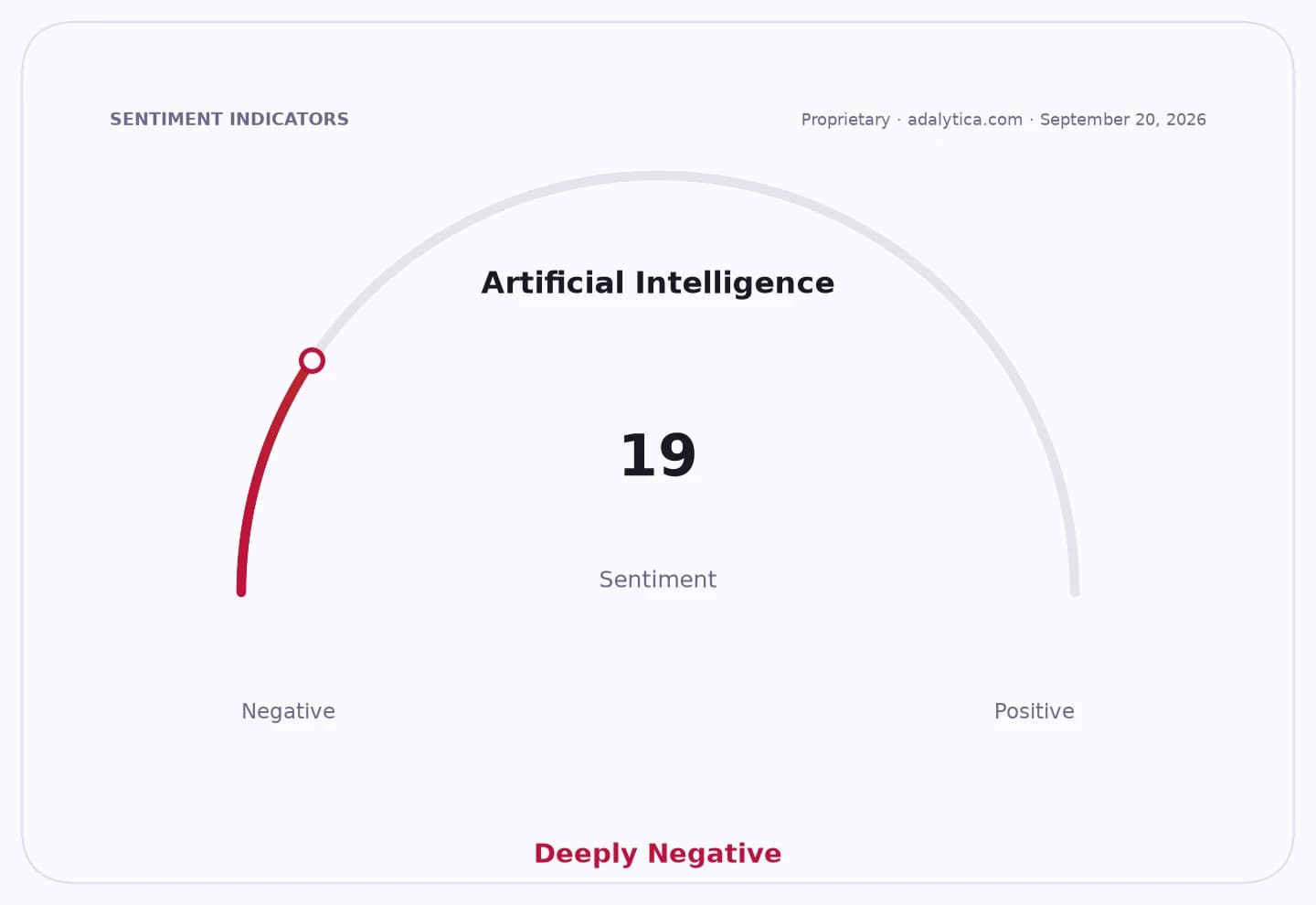
Foreign capital will not flood back into India until the AI trade breaks, according to Jefferies strategist Chris Wood, who says the semiconductor boom has pulled global money toward Taiwan and Korea so powerfully that only a sharp reversal in the AI complex would restore India’s relative appeal.
That matters because India is no longer competing on domestic growth alone. It is competing for scarce global portfolio flows in a world where 10-year Treasury yields are near 5%, crude remains a live inflation risk and AI-related capital spending is sucking in earnings, index weight and investor attention. In Wood’s view, the result is a simple but uncomfortable market truth: India can keep delivering on growth, yet still lag on foreign ownership if the AI narrative stays intact.
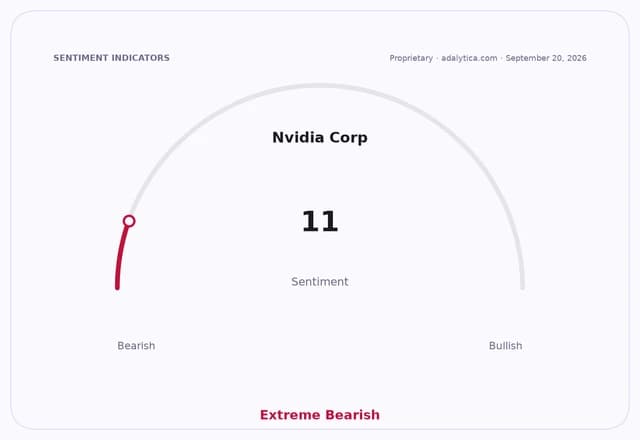
Wood’s core argument is that the AI capex cycle has become the dominant force in global equity allocation. He said hyperscaler spending could approach nearly $1 trillion next year, up from about $700 billion this year, with semiconductor makers capturing profits up front while the cash burden sits with cloud giants through capex, leases and debt issuance. That front-loaded earnings boost has made the US tech supply chain the global market’s best trade, and it has redirected emerging-market money toward the few Asian markets directly tied to chips.
For India, that has been a nasty relative-performance headwind. Foreign investors that once treated India as the best structural growth story in emerging markets have had to chase the AI boom instead, particularly in Korea and Taiwan, where a small number of chip names are expected to generate profits far above the broader index. The message to investors is that India’s valuation premium and foreign ownership ceiling remain vulnerable until the global money cycle turns.
Wood is not turning bearish on India’s long-term story. Quite the opposite. He said credit growth has run at about 18% to 19%, private-sector capex is finally showing signs of life and the market’s small- and mid-cap segment remains the most attractive area because earnings growth is stronger and the opportunity set is broader. That is the investable counterpoint: if you are looking for domestic compounding rather than foreign-flow momentum, India still offers one of the cleanest secular growth stories in emerging markets.
But the macro constraints are real. Wood expects the Reserve Bank of India to keep tightening, sees the rupee as a key variable for dollar-based investors and says India’s capital gains tax regime is a meaningful deterrent now that global allocators have better alternatives. He also warns that IT services face a structural derating as AI changes the economics of outsourcing. In other words, India’s old foreign-investor playbook is under pressure from both global competition and local policy friction.
The bigger narrative is that AI is not just a technology theme; it is a global capital-allocation regime. As long as hyperscaler spending keeps rising and the market believes those outlays will convert into future returns, money will stay pinned to the AI supply chain and away from markets like India. If the bubble cracks, the rotation could be violent, and that is exactly why investors should be building exposure to India’s domestic beneficiaries now rather than waiting for foreign flows to do the work.
| Entity | Gains | Losses |
|---|---|---|
| Taiwan/Korea chip stocks | ▲AI-linked inflows | ▼India relative flows |
| Indian small- and mid-caps | ▲Domestic capex pickup | ▼Large-cap index caps |
| U.S. semiconductors | ▲Front-loaded profits | ▼Hyperscaler cash flow |
| Foreign EM allocators | ▲AI upside capture | ▼India overweight positioning |