India food inflation stays sticky on monsoon deficit
India’s food inflation looks set to stay sticky as the country’s monsoon deficit reaches its highest level since FY16, with weak rainfall and falling reservoir levels threatening both kharif and rabi crops, according to IDFC First Bank economist Gaura Sen Gupta.
The warning matters because food prices are the biggest source of volatility in India’s consumer inflation basket and can quickly spill into broader price pressures, complicating the Reserve Bank of India’s path on interest rates. The risk is most acute for perishables, which tend to respond quickly to supply shocks and can push headline inflation higher even when core prices are steadier.
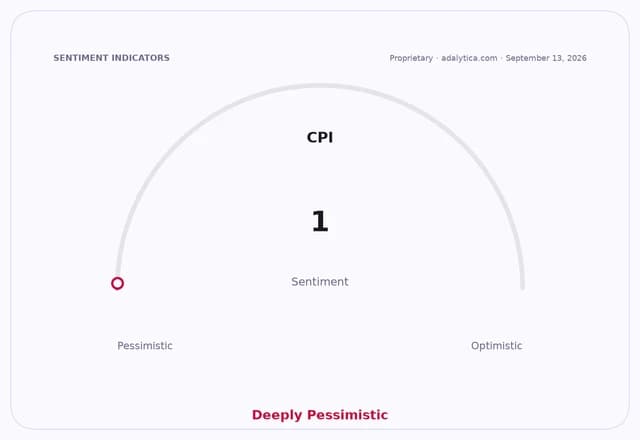
Sen Gupta said the shortfall is being driven mainly by strengthening El Niño conditions, while reservoir levels remain below their 10-year average. Uneven rainfall distribution across regions adds another layer of strain, raising the chance that output losses extend beyond the current season and affect planting for the next crop cycle.
For investors, a prolonged food inflation shock can keep real rates under pressure, support yields at the short end of the bond market and delay any easing bias from policymakers. It also raises the odds of renewed volatility in consumer-facing stocks, especially companies exposed to staples demand, rural incomes and agricultural input costs.
The broader narrative is that India’s macro story is increasingly being shaped by weather rather than just growth or policy. If rainfall improves, inflation risks can ease quickly; if not, the food-price cycle may remain the main macro risk heading into the next crop harvest.
| Entity | Gains | Losses |
|---|---|---|
| Farmers with irrigation/storage | ▲Better pricing power | ▼Less crop stress |
| Food consumers | ▲— | ▼Higher grocery bills |
| RBI / rate-cut bets | ▲— | ▼Delayed easing room |
| Staples and rural-linked stocks | ▲Potential demand resilience | ▼Margin and volume pressure |