India growth outlook softens after Q1 boost
India’s economy got a solid first-quarter boost from government spending and cooler inflation, but the easy part of the recovery may be behind it.
That is the key takeaway from Nomura chief economist Sonal Varma’s read on the latest run of data: public support and mild price pressures helped keep growth resilient in Q1, even as the second half of the fiscal year looks less forgiving. For investors, that matters because it points to a growth path that remains healthy but is unlikely to stay as strong once the fiscal impulse fades and food prices, rainfall risks and weaker rural demand start to bite.
The bigger economic story is not just that growth was strong — it is that the composition of that growth still matters. When government expenditure is doing part of the heavy lifting and inflation stays benign, households get a temporary lift in real purchasing power and companies get room to absorb higher input costs. But that cushion can shrink quickly. Nomura expects firms to keep passing through some of those costs later, which would squeeze consumers just as higher food prices and agricultural stress threaten disposable incomes.
That is why the forecast for the second half is softer. Varma said firms have so far absorbed some input-cost inflation through lower margins, but delayed price increases could weigh on demand. She also flagged deficient rainfall and weaker kharif sowing, which could hit farm incomes and rural consumption. Add in expected government spending consolidation in H2, especially on capital expenditure, and the economy loses one of its most important supports.
Nomura still sees India growing at a robust pace, with GDP easing from about 7.3% in the first half of FY27 to 6.7% in the second half, leaving full-year growth around 7%. That is still an enviable number by global standards, and it helps explain why India continues to command investor attention even when short-term risks build.
For markets, the message is two-sided. The growth backdrop remains constructive for long-term India allocations, including broad funds such as INDA, EPI and FXI, but the next leg is likely to reward selectivity rather than broad enthusiasm. Slower momentum in the second half would favor companies with pricing power, strong free cash flow and domestic demand resilience, while more cyclical, consumer-sensitive and rural-exposed names may feel the pressure first.
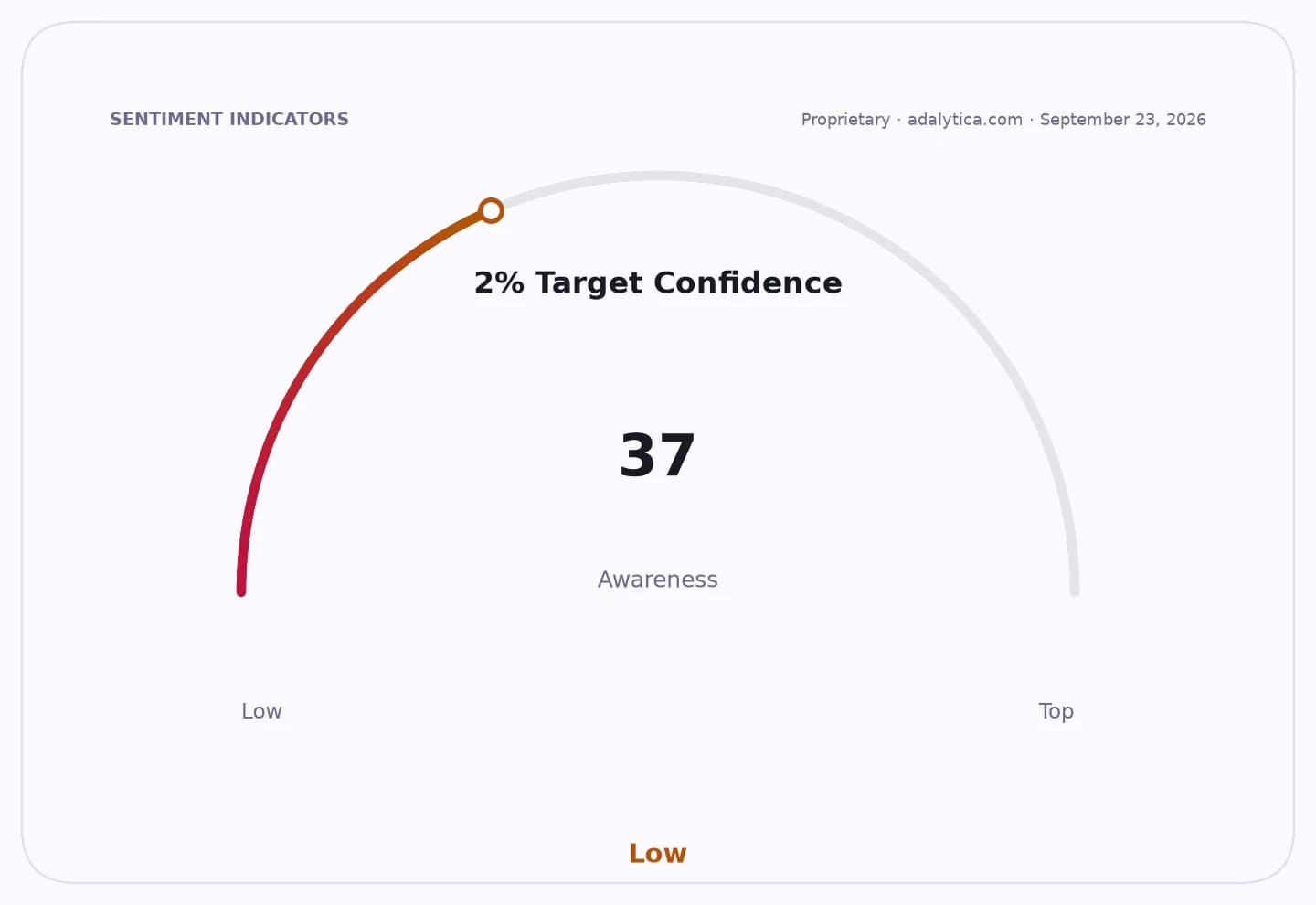
The inflation picture is equally important. Benign price behavior has helped keep the macro setup orderly, and Adalytica’s inflation gauges show deep fear around inflation expectations easing sharply, with confidence in the Fed’s 2% target still fragile. That kind of backdrop usually supports risk assets, but it is also a reminder that sentiment can turn quickly if food or fuel costs reaccelerate.
For long-term investors, the real lesson is that India’s growth story is intact, but it is moving from stimulus-supported strength to a more normal, and probably more uneven, phase. That is not a reason to step away from the market. It is a reason to stay diversified, focus on quality, and expect volatility as the economy digests weaker rain, slower fiscal support and a less benign inflation path. India remains one of the more compelling structural stories in global markets, but the best returns will likely come from patience, not chasing every quarter’s headline.
| Entity | Gains | Losses |
|---|---|---|
| Govt-backed growth | ▲Near-term GDP support | ▼Fades in H2 |
| Consumers | ▲Real incomes from low inflation | ▼Higher food prices |
| Rural economy | ▲Good monsoon and sowing | ▼Weak rainfall, lower farm income |
| Quality equities | ▲Pricing power, cash flow | ▼Margin pressure, cyclical demand |