India inflation rises on tomatoes, onions, wheat flour
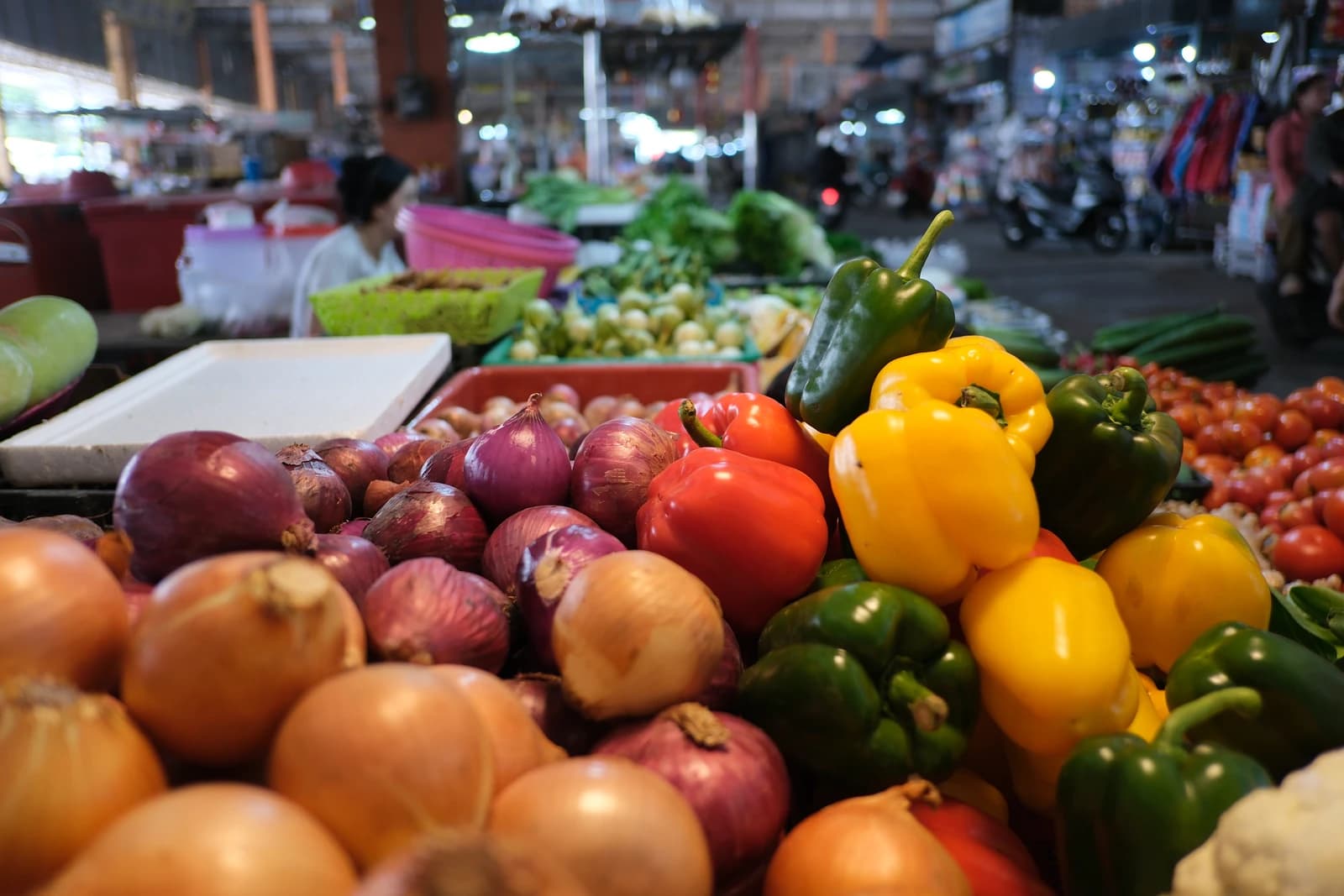
India’s inflation problem is shifting back to the grocery aisle, where tomatoes and onions are both running more than 100% higher than a year ago and wheat flour has surged 77%, a mix that is squeezing household budgets even as headline price pressures elsewhere remain far calmer.
That matters because food is still the most politically sensitive part of India’s inflation basket and the fastest way for climate shocks to turn into a broader cost-of-living problem. Weekly inflation at 9.11% points to a fresh burst of price stress in staples, the kind that hits low- and middle-income consumers first and gives policymakers less room to declare victory over inflation.
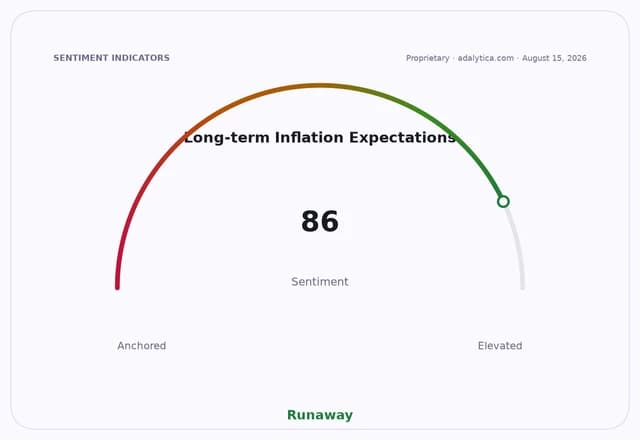
The timing is especially awkward. India has spent much of the year trying to convince markets that inflation is contained and that monetary policy can stay focused on growth. But food is where that narrative breaks down. When vegetables and flour move this sharply, the shock does not just affect the consumer price index; it filters into wages, transport costs, restaurant margins and rural purchasing power. For investors, that keeps pressure on consumer discretionary spending and raises the risk that rate cuts, if they come, are delayed or shallower than bulls expect.
The latest numbers also reinforce a broader global pattern: food inflation is increasingly driven by supply shocks rather than demand overheating. Weather volatility, disrupted planting cycles and tighter inventories are making basic crops more expensive in pulses, grains and vegetables. That is exactly the kind of inflation that central banks struggle to offset, because higher interest rates do little to grow tomatoes or stabilize onion supply.
For the market, the practical takeaway is to look past the headline rate and focus on the sectors exposed to persistent food-cost pressure. Packaged food makers with pricing power can hold up better than commodity-linked processors. Rural consumption names remain vulnerable if households keep trading down. And any company tied to cold storage, agri-logistics, irrigation or crop protection could benefit as India pushes harder to harden its food supply chain against climate shocks.
The broader message is that this is not just a bad inflation print; it is a reminder that food security is becoming an investable macro theme. If El Niño-like weather patterns, erratic rainfall and supply bottlenecks keep hitting crops, the winners will be the businesses that make food production, storage and distribution more resilient. Investors who position early for that structural shift may find the real opportunity is not in fighting inflation, but in owning the infrastructure that prices it in.
| Entity | Gains | Losses |
|---|---|---|
| Packaged food makers | ▲Pricing power | ▼Margin compression |
| Agri-logistics and cold storage firms | ▲Supply-chain demand | ▼ |
| Consumers | ▲ | ▼Higher kitchen budgets |
| Central bank policymakers | ▲ | ▼Less room to ease |