India’s latest infrastructure battles are no longer being fought on the front pages, but in district hearings, courtrooms and community WhatsApp groups — and that matters because the country’s push for more power, roads and industrial capacity is increasingly running into environmental, land and consent risks that can slow projects and raise execution costs.
India infrastructure projects face clearance delays

The clearest example is in the power sector, where the government wants hydropower and pumped storage to support grid stability, clean-energy targets and regional development, while local communities and activists argue the approvals process is moving ahead faster than safeguards. The result is a familiar but increasingly costly pattern: projects remain strategically important, but the timeline to translate policy intent into operating assets is lengthening.
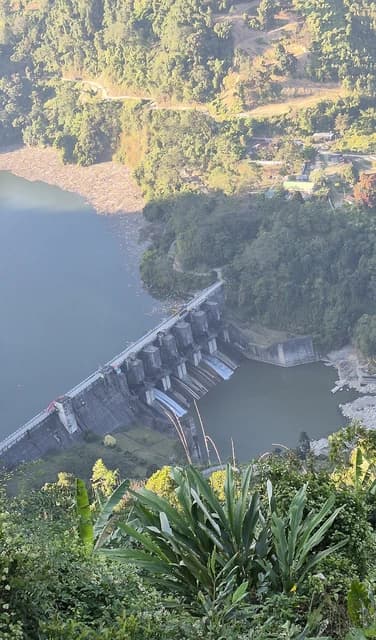
That tension is visible across five projects that have become flashpoints without yet becoming national headlines. In Arunachal Pradesh, the 1,000 MW Naying hydroelectric project on the Siyom river has been under scrutiny for years, with forest clearance still under examination in mid-2026 after officials raised objections to the compensatory afforestation plan. Public hearings in late 2025 were followed by growing local anxiety over compensation, tree felling and the risk of protests before construction starts.
A larger Arunachal scheme, the 1,720 MW Kamala hydropower project, approved in November 2025 with more than ₹26,000 crore of investment, has already triggered resistance over land acquisition and compensation surveys. Villagers and local forums are alleging that genuine landowners were left out of compensation lists and that land records are being handled unevenly, a sign that the social licence to build remains fragile even after cabinet approval.
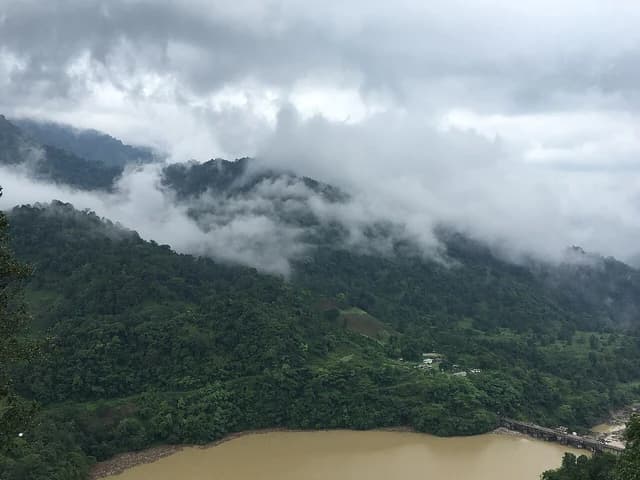
In Karnataka, the 2,000 MW Sharavathy pumped storage project has become a test case for Western Ghats conservation. The state wildlife board approved the scheme early in 2025 and the National Board for Wildlife later gave in-principle support, but the project was challenged in court and remains sub judice. Environmental groups say tunnelling and blasting in the Sharavathi valley could damage one of India’s most sensitive forest ecosystems and threaten the lion-tailed macaque, raising the odds of further legal delay.
The economic importance is straightforward. India needs large-scale power infrastructure to backstop renewable energy, relieve transmission bottlenecks and support industrial growth, especially in remote and resource-rich states. Hydropower and pumped storage are central to that strategy because they can provide flexible electricity when solar and wind output dips. But each contested project also illustrates the cost side of the equation: litigation, redesigns, compensation disputes and forest-clearance revisions can all inflate capital expenditure and delay revenue generation.
The same pattern runs through the other projects in the broader debate, from coal mining in elephant corridors to port-linked industrial plans on Maharashtra’s coast. Even where authorities argue that statutory procedures have been followed, the recurring complaint is not simply about environment versus development, but about process — whether consultations are meaningful, rehabilitation is credible and cumulative ecological impacts are being properly assessed.
For investors and lenders, the significance lies in execution risk. Large infrastructure pipelines look compelling on paper when policy support, funding and demand are all aligned. But in India, the value of that pipeline depends heavily on whether land can be acquired cleanly, forest clearances can withstand appeal, and projects can avoid becoming long-running legal or political disputes. The more sensitive the geography — the Eastern Himalayas, the Western Ghats, elephant corridors — the greater the risk that nominal approvals do not translate into timely commissioning.
The bullish case is that the government is prioritising strategic assets in power and connectivity, and that these projects could eventually add meaningful capacity in regions where supply is tight and industrialisation is still early. The bearish case is that contested clearances and compensation battles are becoming structural, not incidental, adding hidden costs to India’s infrastructure model and making headline approvals less valuable than they first appear.
| Entity | Gains | Losses |
|---|---|---|
| Indian government | ▲Energy-security narrative | ▼Slower project execution |
| Local communities | ▲Visibility on compensation issues | ▼Land, forests, livelihoods |
| Developers/utilities | ▲Long-term capacity additions | ▼Legal and clearance delays |
| Environmental groups/courts | ▲Leverage over safeguards | ▼Risk of being bypassed without stronger enforcement |