India Iran Meeting at BRICS on Trade and Payments
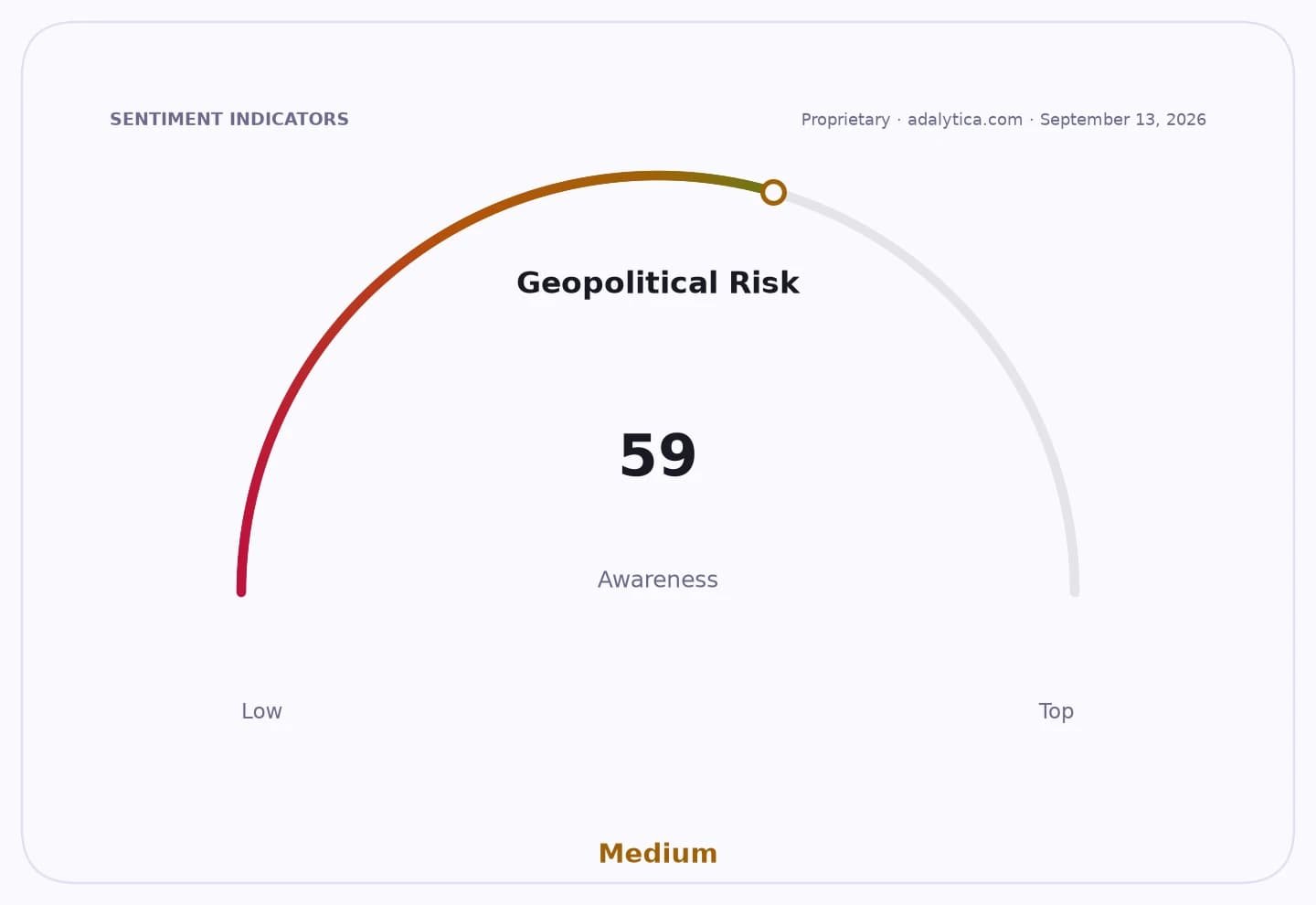
Prime Minister Narendra Modi’s meeting with Iranian President Masoud Pezeshkian at the BRICS summit underscores a deeper strategic bet: India is pressing ahead with West Asia ties even as regional tensions and U.S. pressure keep energy and trade corridors fragile.
That matters economically because India is trying to secure more reliable access to energy, transport routes and critical supply chains at a time when the global system is being pulled apart by sanctions, conflict and fragmentation. New Delhi has been telling BRICS partners to build local-currency trade links and connect payment systems, and Pezeshkian himself framed the bloc’s New Development Bank as a way to reduce dollar dependence. For India, that is not just diplomacy. It is an attempt to lower transaction costs, keep trade flowing and build optionality around the Middle East’s most exposed chokepoints, including the Hormuz corridor.
The meeting came just hours after the Iranian leader arrived in New Delhi, his first India visit as president, and less than two weeks after the two leaders last met. The pace alone tells investors something important: India is treating Iran as a practical partner in a period when supply-chain resilience has become a macro priority. Iran, meanwhile, is looking for capital, trade and political relevance as sanctions squeeze its economy and narrow its external choices. In that sense, the BRICS platform is functioning less like a symbolic club and more like a workaround for countries seeking to diversify away from Western-dominated financial rails.
For investors, the real story is the second-order effect. If India keeps leaning into this axis, the beneficiaries are likely to be the logistics, port, shipping, energy and infrastructure names tied to alternative trade routes and non-dollar settlement channels. The losers are the incumbents that depend on stable global routing, dollar settlement and a frictionless geopolitical backdrop. The broader message is that BRICS is increasingly being used to build a parallel commercial architecture, and that shift could slowly redirect capital toward countries and companies aligned with cross-border resilience, commodities security and industrial capacity.
The market is underestimating how fast geopolitics is becoming a capex story. India has already signaled that it sees resilience, innovation and trusted supply chains as policy priorities, while its push for UPI-style interoperability and local-currency trade points to a longer-term effort to reduce dependence on Western financial plumbing. If that thesis plays out, the next winners will be the toll roads of the new trade map: ports, rail, energy infrastructure, payments and defense-adjacent industrials. I believe investors who position early around that rerouting of commerce, rather than waiting for full diplomatic clarity, will capture the asymmetry.
| Entity | Gains | Losses |
|---|---|---|
| India | ▲Broader trade optionality | ▼Dependence on Western rails |
| Iran | ▲Diplomatic relevance | ▼Isolation from sanctions |
| Ports/shipping/logistics | ▲New route demand | ▼Legacy corridor operators |
| Dollar-based settlement | ▲ | ▼Local-currency trade push |