India LNG Imports Rise on US Spot Cargoes

India’s appetite for liquefied natural gas surged in August, with imports climbing to the highest level in nearly six years as buyers raced to secure fuel from the United States and other spot suppliers while still refusing sanctioned Russian cargoes.
That matters because India is now doing more than simply chasing cargoes in a tight market. It is helping redraw global LNG trade flows in a way that favors US exporters, squeezes Europe’s supply cushion and shows how geopolitics is increasingly steering one of the world’s most important energy markets.
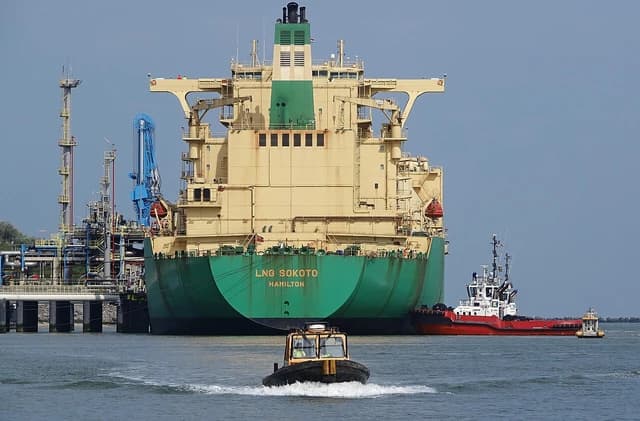
Ship-tracking data compiled by Bloomberg show India brought in 2.6 million tons of LNG in August, up 40% from a year earlier and the highest monthly volume since October 2020. US shipments accounted for more than a third of those imports, making America India’s biggest supplier for the month and replacing Qatar, which held that spot a year earlier.
For investors, that is a meaningful shift. The clearest beneficiaries are US LNG producers and exporters, who gain from stronger international demand and tighter spot markets. Cheniere Energy and other gas exporters stand to benefit when large buyers like India are willing to pay up for cargoes. Midstream operators such as Kinder Morgan can also benefit indirectly as long-term LNG development supports more gas gathering, transport and export infrastructure.
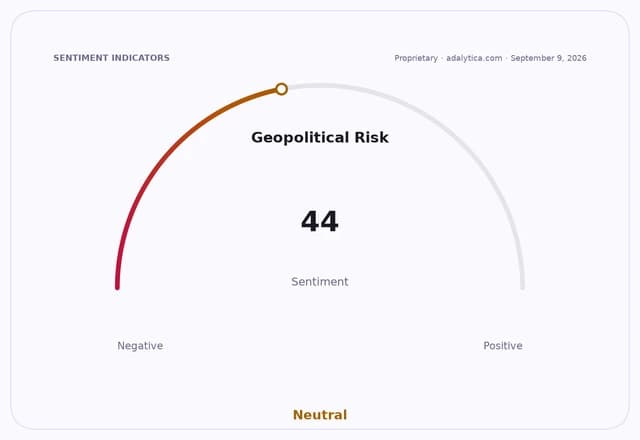
India’s buying spree has not happened in a vacuum. Disruptions tied to conflict in the Middle East and uncertainty around the Strait of Hormuz have made cargo planning more difficult, and buyers are paying up to keep fuel flowing. Bloomberg reported that Indian companies recently bought some of the most expensive spot LNG cargoes since 2022. At the same time, India rejected a Russian LNG offer that would have fallen under US sanctions, leaving a cargo from Gazprom’s Portovaya project without a buyer.
That refusal is important for two reasons. First, it underscores how sanctions risk can override the lure of discounted energy. Second, it shows India is still trying to balance energy security with diplomatic flexibility, but not at any price. In practical terms, the country is leaning harder on US and other non-Russian suppliers when supply is tight, which reinforces the premium attached to flexible LNG from trusted origins.
The knock-on effect reaches beyond India. Faster Indian buying tightens the pool of available cargoes for Europe, which is already working to refill storage after disruptions in the Middle East. For utilities and importers across Europe, that can mean higher procurement costs. For traders, it means more volatility. For producers, it is another reminder that LNG is becoming a globally traded, geopolitically sensitive commodity rather than a simple regional gas business.
The long-term investment case still points in the same direction: global LNG demand keeps rising, and countries like India are among the clearest growth markets. India was the world’s fifth-largest LNG importer in 2025, behind China, Japan, South Korea and France, and its import growth suggests the market will keep rewarding companies with low-cost supply, export capacity and access to premium buyers.
For investors, the message is straightforward: the LNG market is becoming bigger, more connected and more politically charged, and that usually favors the strongest exporters and pipeline operators over weaker suppliers or buyers with little pricing power. This is a trend worth watching, and for long-term portfolios, US LNG names remain attractive candidates for the watchlist.
| Entity | Gains | Losses |
|---|---|---|
| US LNG exporters | ▲Higher demand | ▼Spare cargo availability |
| India’s buyers | ▲Supply security | ▼Higher spot prices |
| Europe’s importers | ▲— | ▼Tighter cargo market |
| Russian LNG suppliers | ▲— | ▼Sanctions rejection |