India approves ₹10,783 crore rail expansion projects
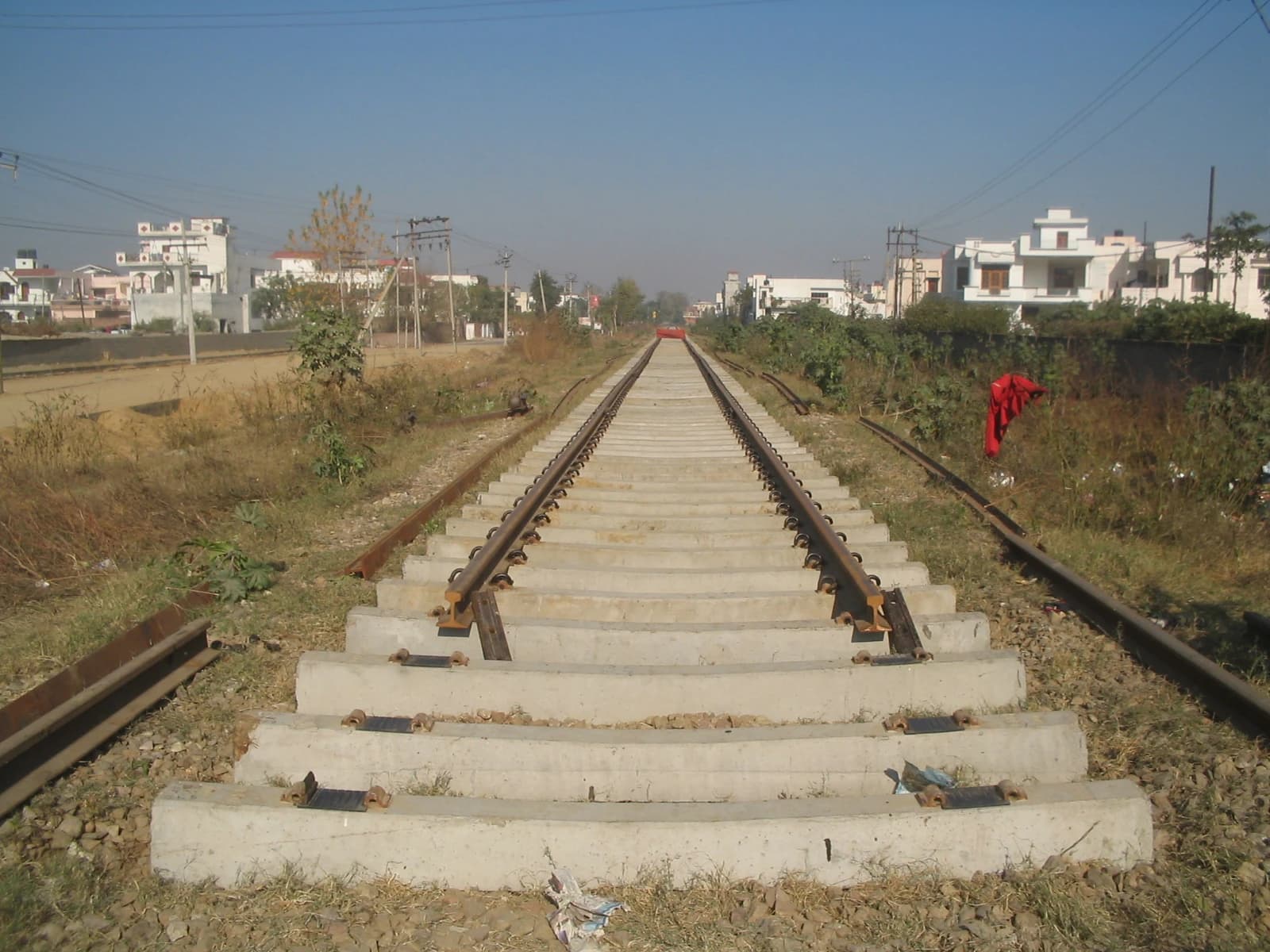
India has approved ₹10,783 crore of railway expansion projects that are aimed less at headline-speed travel and more at the economy’s most persistent bottleneck: moving goods cheaply and reliably across long industrial corridors.
The cabinet cleared seven rail projects, including multitracking on key routes such as Kolkata-Delhi, Chennai-Kolkata, Delhi-Mumbai, Mumbai-Chennai and Bilaspur-Katni, adding about 656 kilometres of rail lines across 14 districts in West Bengal, Odisha, Jharkhand, Madhya Pradesh and Chhattisgarh. Officials said the work should help 4,790 villages and 5.6 million people gain better rail access, but the bigger economic prize is freight. The projects are expected to add around 22.7 million tonnes of annual cargo capacity, reduce logistics costs for industry and support the government’s push to shift more transport away from roads.
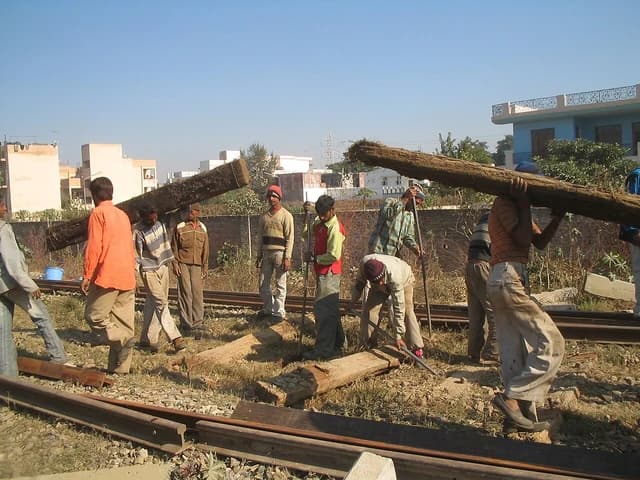
That matters because rail remains one of India’s cheapest bulk-freight arteries, and congestion on core corridors has long raised delivery times and widened transport costs for miners, manufacturers and exporters. More track on the country’s busiest routes should ease bottlenecks for coal, steel, cement, containers and agricultural produce, while improving the flow of inputs to factories and finished goods to markets. Over time, that can strengthen industrial output, especially in central and eastern India where rail dominates bulk movement and where the approved routes traverse some of the country’s most resource-heavy states.
The government is also framing the spending as a climate and fuel-efficiency measure. It said the projects could save about 120 million litres of oil a year and cut carbon dioxide emissions by 620 million kilograms, a reduction it compared with planting 24.8 million trees. Those estimates matter because India’s infrastructure buildout is increasingly being judged not only by capacity but by how it lowers energy intensity and supports emissions goals without slowing growth.
For investors, the immediate beneficiaries are likely to be rail contractors, signaling and equipment suppliers, and industrial companies tied to construction and transport upgrades. For broader markets, the announcement reinforces a policy backdrop that favors infrastructure capital spending even as growth remains uneven. Rail operators and logistics firms could also see a longer-term gain if the additional track translates into higher throughput and better asset utilization, though the payoff will depend on execution, land acquisition and how quickly the new capacity is commissioned.
The decision adds to a long-running state-led push to modernize India’s transport network at a time when the economy still depends heavily on moving raw materials across vast distances. If the projects are delivered on schedule, they should ease freight inflation, improve supply-chain efficiency and support industrial competitiveness. If they slip, the spending will still add to capex, but the economic return will be delayed — and that is the main risk investors will watch.
| Entity | Gains | Losses |
|---|---|---|
| Indian Railways | ▲Higher freight capacity | ▼Congestion pressure |
| Industrial shippers | ▲Lower logistics costs | ▼Delays and bottlenecks |
| Construction and rail suppliers | ▲New project orders | ▼Limited near-term downside |
| Road transport operators | ▲— | ▼Some cargo diversion to rail |