India RBI Repo Rate Stays Data Dependent

India’s next policy move is hanging on the inflation path, with a Reserve Bank of India policymaker saying the repo rate will come back into consideration if price pressures rise.
That matters because the RBI has spent the past stretch balancing growth support against the risk that easing too soon would let inflation reaccelerate. The market is now pricing a central bank that is far more likely to stay on hold than to rush into cuts, and that stance is already feeding into everything from bank deposit pricing to bond yields and the rupee.

The economic backdrop is mixed, not decisive. India’s consumer inflation has been easing in the latest readings, while wholesale inflation has also moderated, giving policymakers room to wait. But the trigger named by the MPC member is clear: if inflation turns back up, the repo rate is back on the table. That keeps the policy debate firmly data dependent and leaves little room for investors to assume an easy-cut cycle.
For markets, the implication is straightforward. A prolonged pause supports banks’ net interest margins in the near term, especially if deposit rates adjust more slowly than lending yields. It also helps explain why State Bank of India has already trimmed some bulk fixed deposit rates, a sign that lenders are positioning for a lower-for-longer funding environment even before the RBI moves. On the other side, borrowers waiting for cheaper credit may have to wait longer than they hoped.
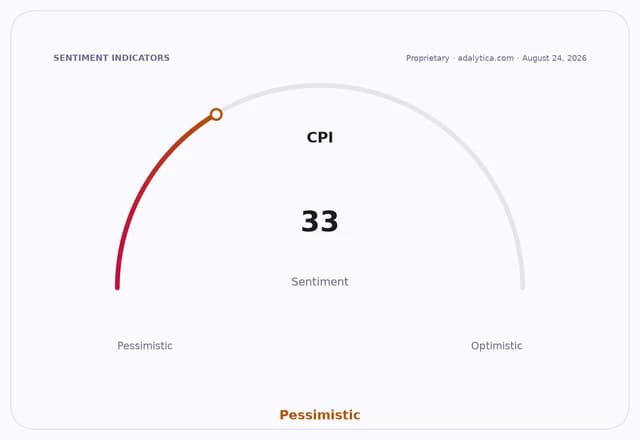
Equity investors should read this as a valuation and sector rotation story, not just a rates story. If the RBI stays on hold, rate-sensitive pockets such as housing, autos and leveraged small caps may struggle to rerate quickly, while banks and quality financials can continue to benefit from stable margins and relatively orderly credit conditions. The rupee’s recent steadiness and the 10-year government bond yield around 4.7% suggest the bond market is also leaning toward patience, not panic.
The bigger narrative is that India remains in a classic late-cycle policy hold: growth is still resilient enough to avoid emergency easing, but inflation is not low enough to invite aggressive cuts. That leaves the RBI with optionality, and optionality is what markets dislike most. If inflation stays contained, the next move could still be down — but until the numbers force the issue, the smarter trade is to position for delay rather than a swift easing cycle. For investors, that means favoring banks, insurers and cash-generative compounders over the most rate-sensitive names.
| Entity | Gains | Losses |
|---|---|---|
| Banks | ▲Stable margins | ▼Faster loan demand rebound |
| Depositors | ▲Higher term-deposit yields | ▼Sharp rate cuts |
| Borrowers | ▲Policy clarity | ▼Quick borrowing-cost relief |
| Rate-sensitive stocks | ▲Orderly backdrop | ▼Easy-cut rerating trade |