SEBI’s approval of a broad rewrite of the rules for REITs and InvITs could make India’s listed real estate and infrastructure trusts easier to own, easier to govern and, crucially, easier to fund from overseas.
India REITs and InvITs get SEBI rule overhaul

That matters because these vehicles sit at the intersection of capital markets and long-duration assets. REITs and InvITs help channel money into offices, warehouses, roads, power lines and other income-producing infrastructure that need steady financing and patient capital. By allowing depository receipts against their units in permissible overseas jurisdictions, the regulator is creating a cleaner route for foreign investors to participate without the friction that has often kept global capital on the sidelines.
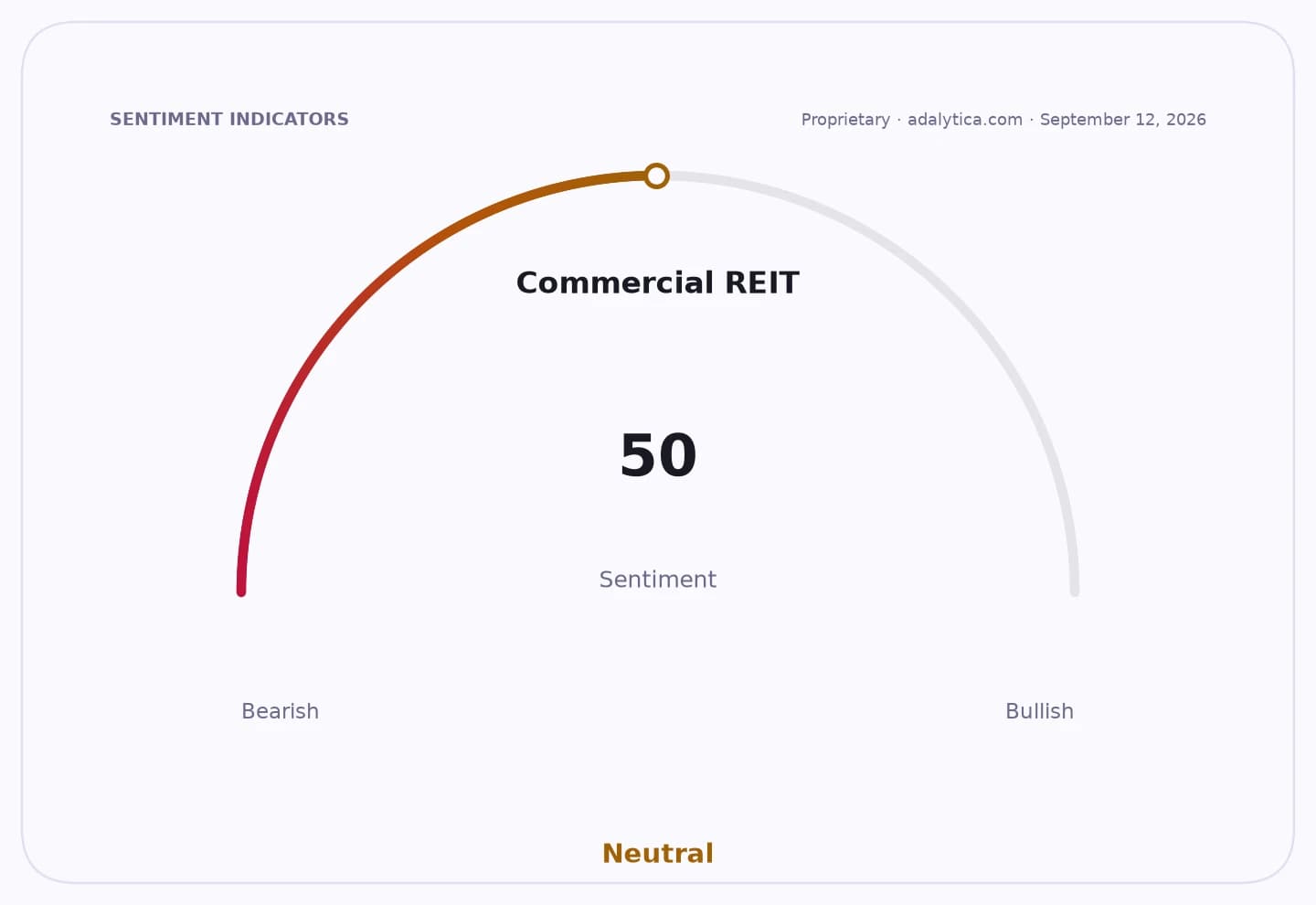
Sentiment IndicatorsⓘProprietary · adalytica.com · September 30, 2026
This is a snapshot — live sentiment, awareness and momentum for 130+ markets update continuously in the dashboard.Open AlphaPulse

The change in voting rules is just as important for the market’s plumbing. SEBI is shifting approval thresholds for certain matters from 75% of all outstanding units to 75% of votes cast. In a market where ownership is often widely dispersed, that should reduce the risk that routine decisions stall because too many holders simply do not show up. For long-term investors, that can improve governance and make these trusts more functional as scaled investment vehicles rather than awkward structures hampered by low participation.
SEBI also clarified the rules around sponsor exits, saying that when one of multiple sponsors leaves, an exit offer can be made by the departing sponsor or its group entities, or by the remaining sponsor or its group entities. It further defined dissenting unitholders as those who actually vote against a resolution, not those who abstain. These are the kinds of details that sound technical but matter a great deal in practice: they reduce ambiguity, lower the odds of disputes and make restructurings more predictable.

For investors, the bigger picture is straightforward. India is trying to deepen the market for yield-bearing, asset-backed securities at a time when infrastructure spending remains a strategic priority and global investors are looking for stable cash flows. If the new framework works as intended, REITs and InvITs could attract a broader pool of buyers, improve liquidity and support more capital formation in sectors that are expensive to build but essential to the economy.
That does not make these instruments risk-free. Their appeal still depends on interest rates, asset quality, leverage and the reliability of distributions. But if you are a long-term investor looking for exposure to India’s real assets, SEBI’s overhaul is the kind of policy upgrade that can slowly but meaningfully expand the opportunity set. It is worth watching, and it strengthens the case for keeping high-quality REITs and InvITs on the watchlist.
| Entity | Gains | Losses |
|---|---|---|
| REITs and InvITs | ▲Easier foreign capital access | ▼Less regulatory friction |
| Overseas investors | ▲New entry route | ▼Fewer barriers to allocation |
| Sponsors and managers | ▲Clearer exit rules | ▼Less room for ambiguity |
| Passive unitholders | ▲Better governance process | ▼More pressure to participate |