India rice export prices hit one-year high
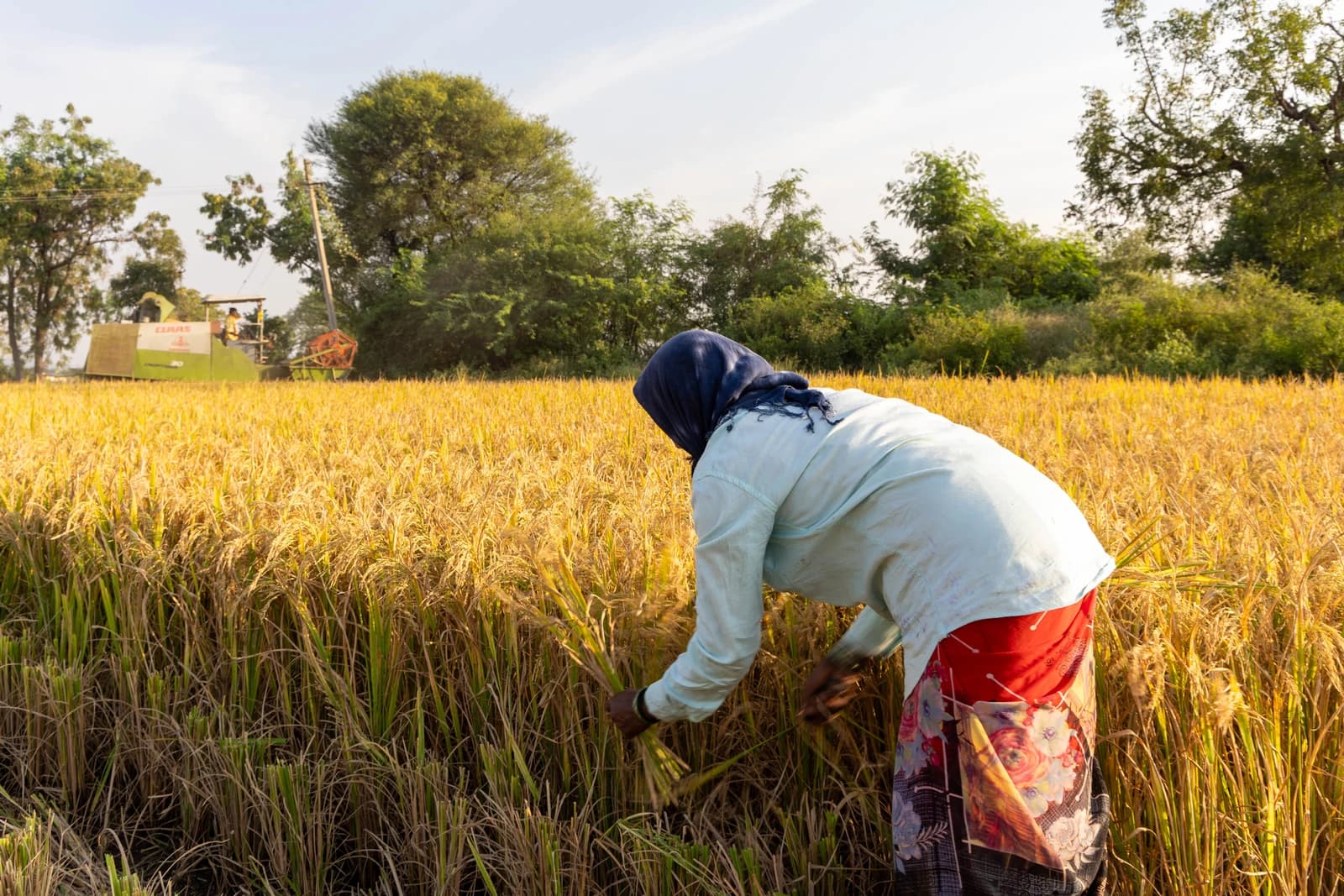
Indian rice export prices have climbed to a one-year high, and that matters because rice is not just another crop in Asia — it is a staple that ripples through food inflation, farmer incomes and the margins of global food buyers.
The price gains are being driven by a simple but powerful story: tighter supplies. Traders say crop production estimates are being revised lower as rainfall deficits widen, with India’s weather department saying September is likely to bring below-average monsoon rains after August precipitation came in 16% below normal. For a country that dominates the global rice trade, that is enough to keep exporters cautious and buyers on edge.
India’s 5% broken parboiled rice was quoted at $371 to $377 a ton this week, up from $369 to $375 last week, while 5% broken white rice fetched $368 to $373. Those are not dramatic daily moves, but they confirm a firmer trend at a time when supply worries are becoming harder to ignore. Vietnam’s 5% broken rice held at $440 to $445 a ton, and Thai rice rose to $488 a ton, showing the tightening is not isolated to India.
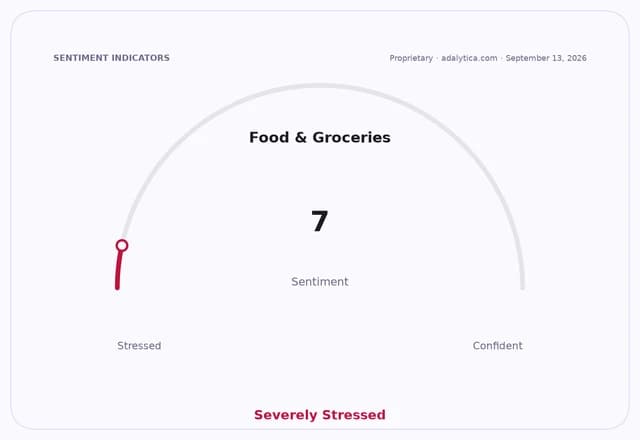
For investors, the bigger point is that food inflation pressures can linger long after the headlines fade. Higher rice prices can feed into consumer baskets across Asia and beyond, complicating central banks’ inflation fight and squeezing households already dealing with elevated living costs. The Adalytica CPI sentiment gauge also sits in “Extreme Fear,” underscoring how sensitive investors remain to another uptick in food prices.

There is also a second-order effect for food companies and commodity traders. Buyers that rely on imported grains may face higher replacement costs, while merchants and handlers positioned in agricultural flows can benefit if volatility persists. That said, demand is not unlimited: traders in Ho Chi Minh City said domestic supplies are falling as Vietnam’s summer-autumn harvest winds down, but demand is also easing, a reminder that higher prices can eventually cool trade volumes.
The broader message for long-term investors is that weather, not just policy, remains one of the most important variables in agriculture. India’s rainfall pattern will keep driving price direction in the near term, and any further downgrade to crop estimates could extend the rally. For investors with exposure to food producers, agribusinesses and commodity-linked names, this is worth watching closely — especially if input-cost pressure starts to show up in earnings.
| Entity | Gains | Losses |
|---|---|---|
| Indian rice exporters | ▲Higher selling prices | ▼Volume uncertainty |
| Global grain traders | ▲Trading volatility | ▼Inventory costs |
| Food importers | ▲— | ▼Higher procurement costs |
| Consumers in import-dependent markets | ▲— | ▼Food inflation pressure |