India rice floor lifts global price risk
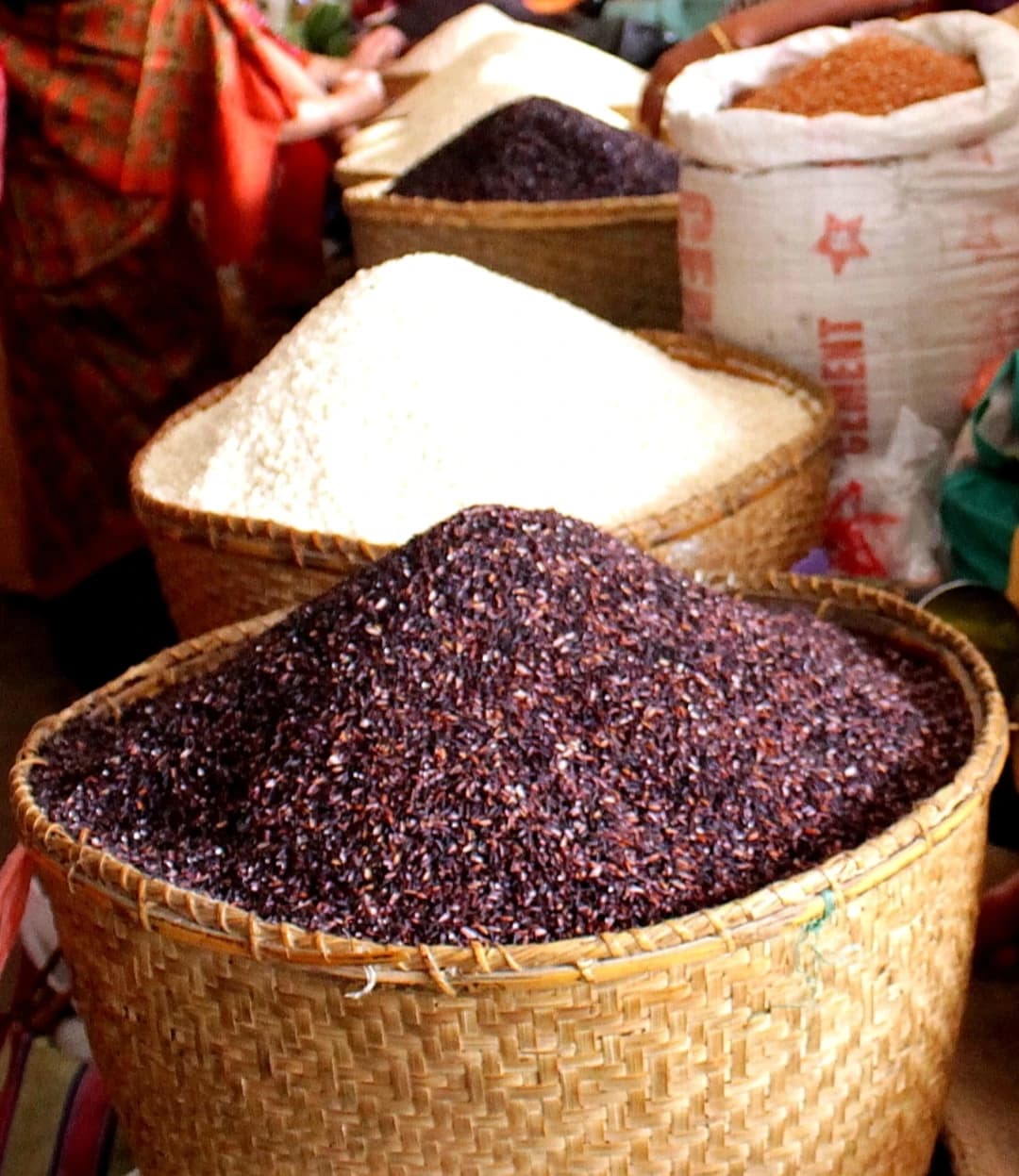
Indian rice prices have risen sharply after a floor price policy limited discounting by exporters, pushing up costs for buyers and adding a new inflation risk across a staple food market already sensitive to government intervention.
The policy matters because India is the world’s largest rice exporter, and even modest changes in its pricing rules can reset benchmarks across Asia, Africa and the Middle East. A higher effective floor on Indian offers supports farmer and miller returns at home, but it raises import bills for price-sensitive buyers and risks keeping food inflation sticky in economies where rice is a core household expense.
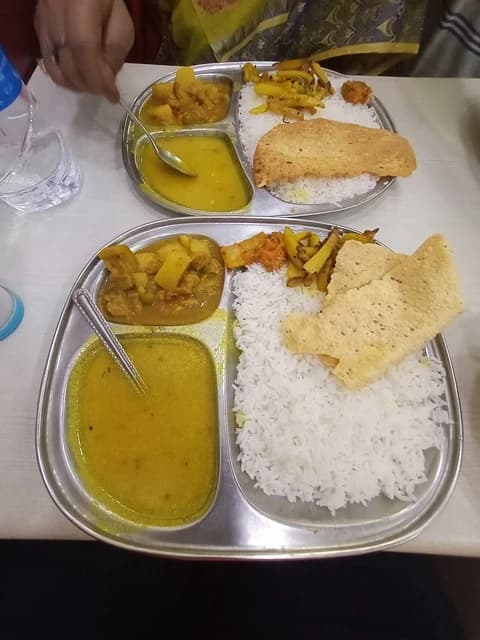
The move is feeding into a broader firming in rice markets. U.S. rough rice futures closed at $13.35 on July 10, up about 42% from a January low of $9.40 and above both the 50-day and 200-day moving averages, according to market data. Conventional technical readings also show a stretched market, with the 14-day RSI above 70 in recent sessions, a level traders often view as overbought.
Asian price signals are mixed but no longer benign. In Vietnam’s Mekong Delta, Dai fragrant rice rose by 500 dong per kilogram while fresh rice prices were broadly stable, and 5% broken fragrant rice export offers increased by $10 a ton earlier in the week. Trading has been cautious and slow, with surplus concerns still hanging over the market, but India’s floor-price stance reduces the scope for aggressive discounting by the region’s largest supplier.
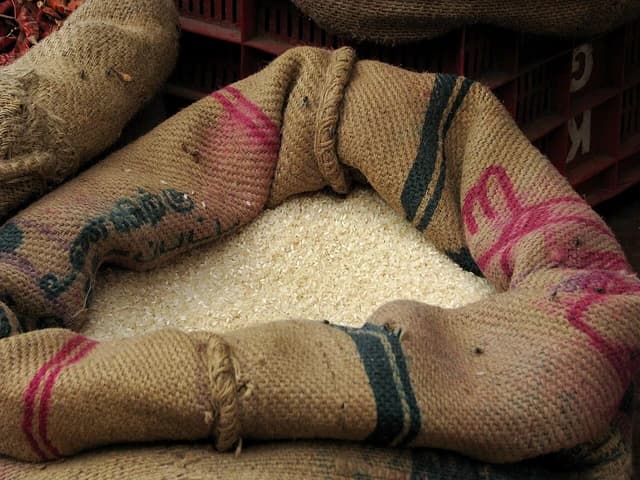
For investors, the policy creates a split. Higher rice prices can improve realizations for exporters and processors with inventory, but they can also curb volumes if importers delay purchases or switch origins. Shares of KRBL Ltd., one of India’s best-known basmati rice companies, closed at 366.15 rupees on July 10, above its 50-day and 200-day moving averages but below a late-June peak, suggesting equity investors are balancing stronger pricing against demand and policy uncertainty.
The economic risk is that government price floors, once introduced or tightened, can make food markets less responsive to surplus. Reports from Asian markets show some retailers already cutting prices to limit losses on rice bought at elevated levels, while public agencies are preparing stock-management measures to prevent further spikes. That tension — between official efforts to support producer prices and the need to contain consumer costs — is likely to define the next phase of rice trading.
The next test will be whether importers accept higher Indian prices or shift more demand to Vietnam, Thailand and other suppliers. If India keeps the floor in place while futures remain elevated, the policy could anchor global rice prices at higher levels and keep food inflation on the radar for central banks and emerging-market governments.
| Entity | Gains | Losses |
|---|---|---|
| Indian rice exporters | ▲Higher price floor | ▼Potential volume loss |
| Indian farmers | ▲Stronger realizations | ▼Demand uncertainty |
| Rice-importing countries | ▲Supply security if secured early | ▼Higher import bills |
| Rival Asian exporters | ▲Diversion demand | ▼Surplus pressure |