India-Russia Defense Ties Shift Toward Co-Production
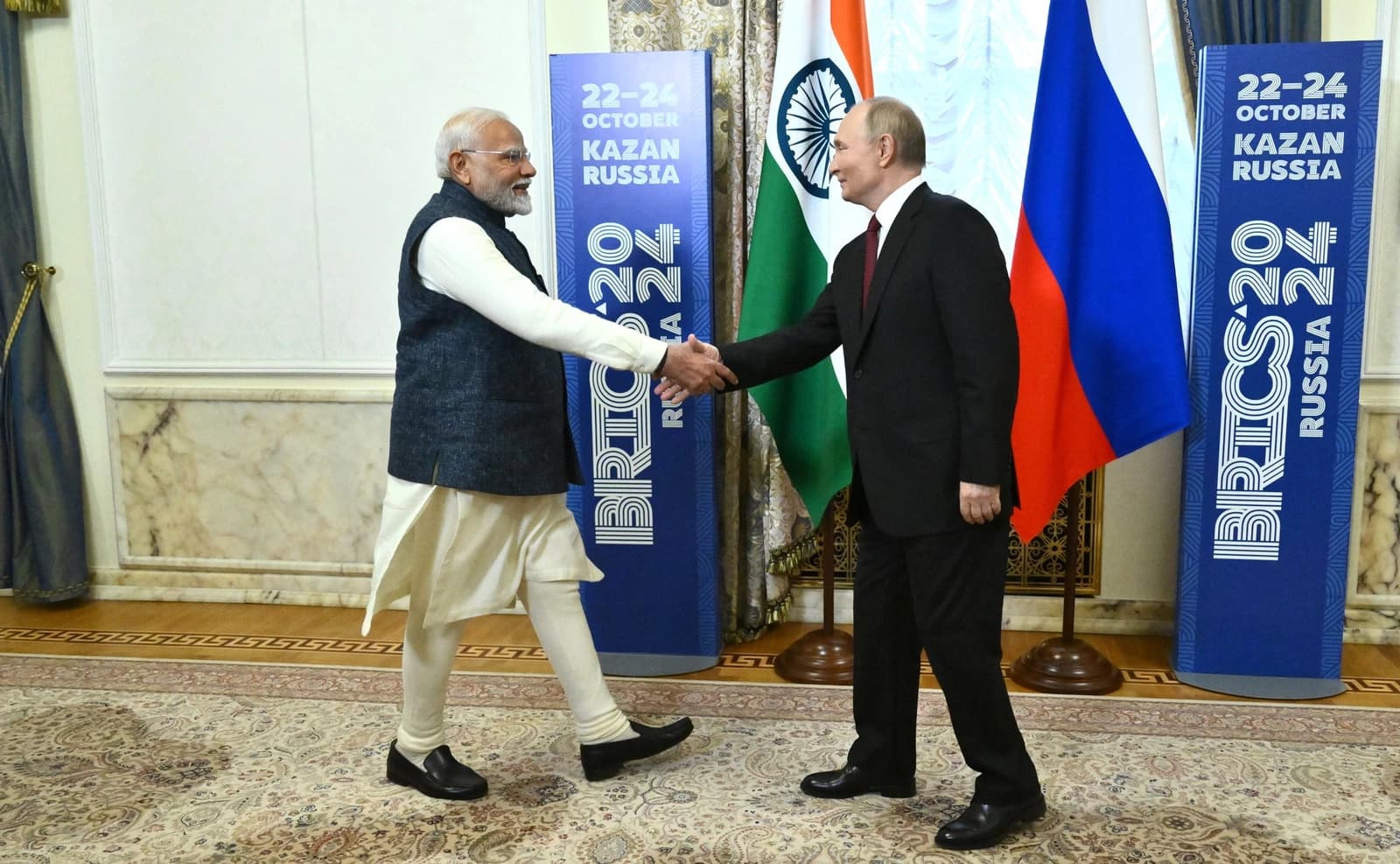
India is moving its defense relationship with Russia beyond simple arms buying, and that matters because it could reshape how New Delhi sources weapons, how Moscow preserves a major export market, and how global defense suppliers compete for one of the world’s biggest military budgets.
Army Chief Gen. Upendra Dwivedi’s visit to Russia comes as both sides push harder on technology transfer, local manufacturing and joint production — a shift that would make India less vulnerable to supply-chain disruptions while helping Russia keep its foothold in a market bruised by sanctions. For investors, the significance is broader than geopolitics: more local assembly and co-development can change the mix of demand across the defense industry, favoring firms with deep technology partnerships, production capacity and long-cycle programs over pure foreign-seller models.
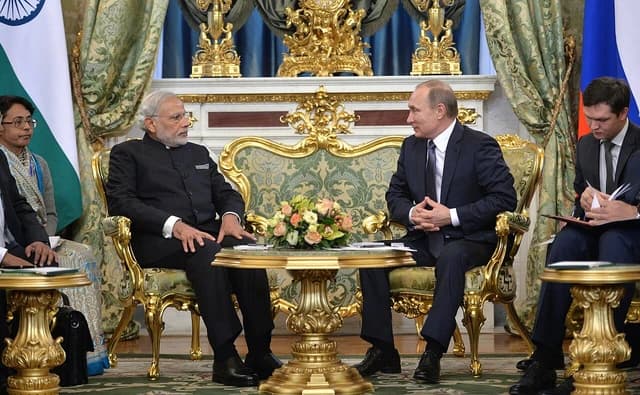
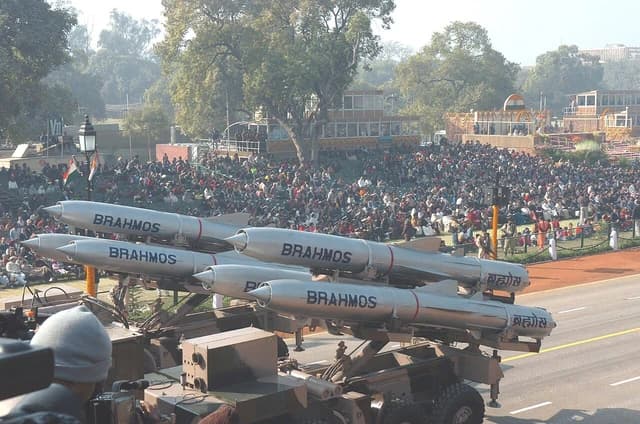
The clearest evidence is the expanding scope of India-Russia cooperation. Talks have moved from purchases of platforms such as missiles and fighter jets toward upgrades, co-development and joint manufacture, including the BrahMos missile program and a Russian offer to share technology on the Su-57 stealth fighter. Russian officials have also said it is time to improve the competitiveness of BrahMos with additional features, a sign that the relationship is becoming more industrial than transactional.
That shift fits India’s broader defense strategy. After supply problems tied to Russia’s war in Ukraine, India has diversified toward Israel, France and the U.S. to reduce dependence on any single supplier. The result is a more resilient procurement model that can support military readiness even if one source is disrupted. Over time, that is economically meaningful because defense production at home tends to keep more spending inside the country, build domestic manufacturing capability and reduce recurring import risk.
Russia, for its part, has strong incentives to lean in. Western sanctions have made it harder for Moscow to access advanced components and technology, which increases the value of a stable partner like India. New Delhi has also set a target of $100 billion in bilateral trade by 2030 from about $60 billion now, a goal that would be easier to hit if defense ties deepen into production, maintenance and upgrades rather than one-off sales.
For investors in defense names such as Lockheed Martin and Northrop Grumman, the story is not that India is abandoning Western suppliers. It is that India is getting more selective and demanding more technology, more local content and more industrial participation. That can be good for companies that can partner, transfer know-how and support long-term modernization programs — and less favorable for sellers that rely only on off-the-shelf exports.
The market backdrop supports that view. Lockheed Martin has been trading above both its 50-day and 200-day moving averages, while Northrop Grumman has also shown resilience even after recent volatility. That suggests investors still value defense cash flows, but they are likely to reward platforms and programs with durable geopolitical demand and integrated manufacturing footprints, not just headline sales.
The longer-term takeaway is straightforward: India’s defense buildout is becoming a strategic industrial project, not just a shopping exercise. If Delhi and Moscow keep moving toward co-production and technology sharing, the winners are likely to be domestic manufacturers, program partners and suppliers embedded in multi-decade upgrade cycles. For investors, that makes the India-Russia defense corridor worth watching — and the global arms race around it potentially more competitive for years to come.
| Entity | Gains | Losses |
|---|---|---|
| India | ▲Local production, supply security | ▼Import dependence |
| Russia | ▲Export foothold, trade growth | ▼Pure seller model |
| U.S./European contractors | ▲Partnership opportunities | ▼Some export share |
| China/Pakistan | ▲Less strategic advantage | ▼More pressure |