Indian shares were hit by a broad risk-off move on Thursday, with the Sensex tumbling 1,247 points to close at 73,580 as higher oil prices and firmer bond yields sharpened concern over inflation, margins and foreign flows.
India Shares Fall as Oil and Yields Rise
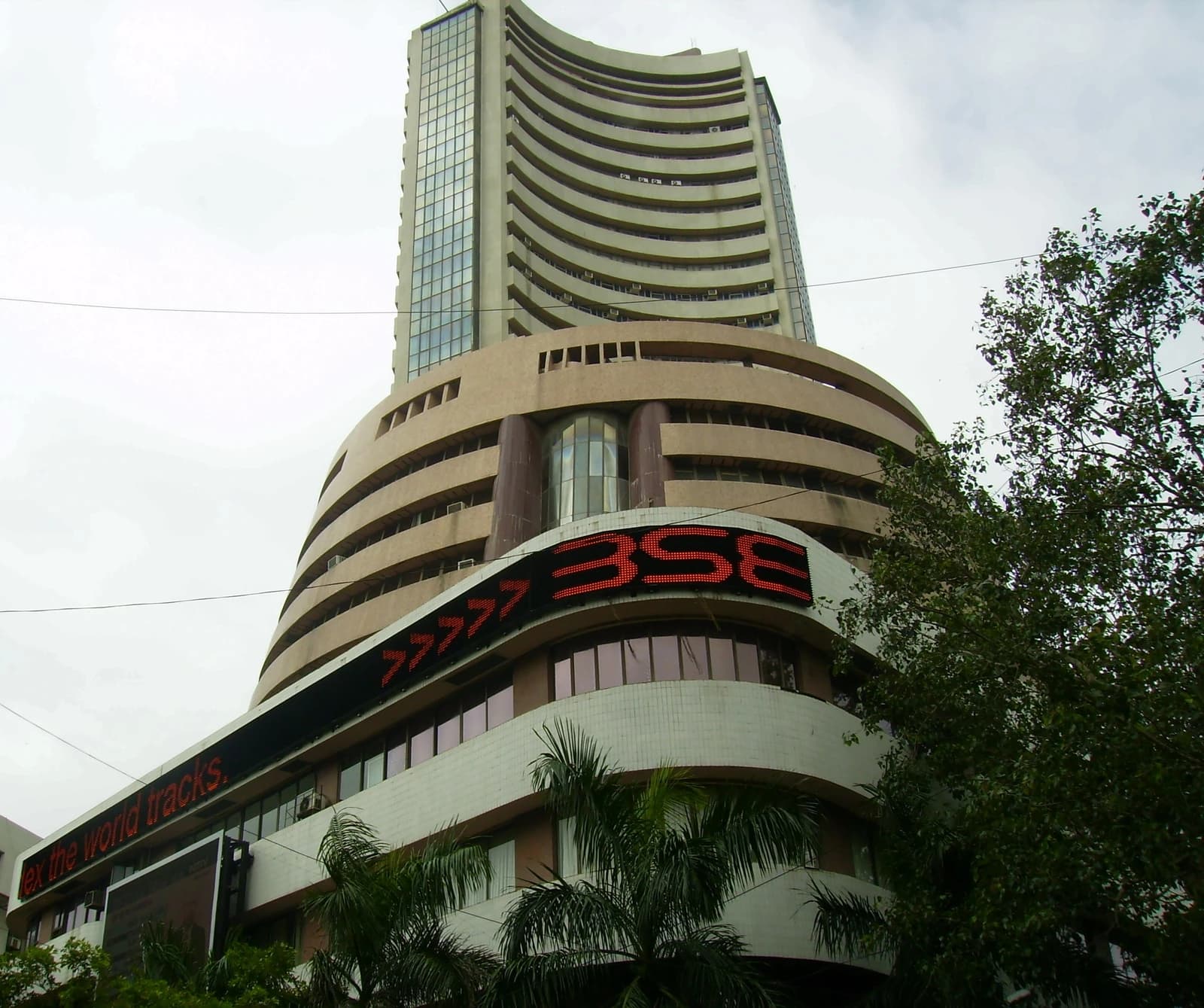
The decline matters because India’s equity rally has been built on faith in resilient earnings and steady domestic liquidity. A setback of this size tells investors that macro risks are back in control, at least for now, and that the market is no longer willing to look through rising input costs and tighter financial conditions.
Sentiment IndicatorsⓘProprietary · adalytica.com · September 29, 2026
This is a snapshot — live sentiment, awareness and momentum for 130+ markets update continuously in the dashboard.Open AlphaPulse
The selloff was not just a headline move. The benchmark’s slide left it well below its recent levels and added to a period of persistent weakness in broader Indian equities, with the BSE index sitting under both its 50-day and 200-day moving averages in the latest market data. The technical picture has deteriorated alongside momentum, with the Relative Strength Index in oversold territory in recent sessions and the MACD still negative, a sign that the market is struggling to build a base.
The macro backdrop is what makes this correction more than a routine pullback. Crude’s rise directly pressures India’s import bill, widens the current account strain and raises the risk of sticky inflation just as the bond market is demanding more yield. That combination hits banks, rate-sensitive sectors and consumer stocks first, while also threatening earnings estimates if companies are forced to absorb higher costs rather than pass them on.
For investors, the message is to separate the index from the opportunity set. A broad selloff in India often masks dispersion, and that is already visible in the market data: while the benchmark has weakened, pockets of the market have still pushed to new highs, showing that capital is rotating rather than abandoning India entirely. That favors selective exposure to sectors tied to long-duration domestic growth, infrastructure spending and the power buildout, while punishing crowded cyclicals and high-beta trades.
The deeper narrative is that India’s market is moving from easy multiple expansion to a more selective phase where macro discipline matters again. If oil stays elevated and bond yields remain firm, the easy-money trade in Indian equities gets harder. If those pressures ease, the country’s structural growth story should reassert itself quickly.
For now, the sharper move is to own quality, cash-generative names with pricing power and avoid assuming every dip is a buy. In this market, the most attractive returns are likely to come from stock picking, not index chasing.
| Entity | Gains | Losses |
|---|---|---|
| Oil producers | ▲Higher realized prices | ▼Indian importers |
| Bondholders | ▲Higher yields | ▼Equity valuations |
| Defensive domestic stocks | ▲Relative resilience | ▼Rate-sensitive sectors |
| Select India quality names | ▲Capital rotation | ▼Index-heavy passive bets |