India Stocks Rebound as Bank Shares Lead Gains
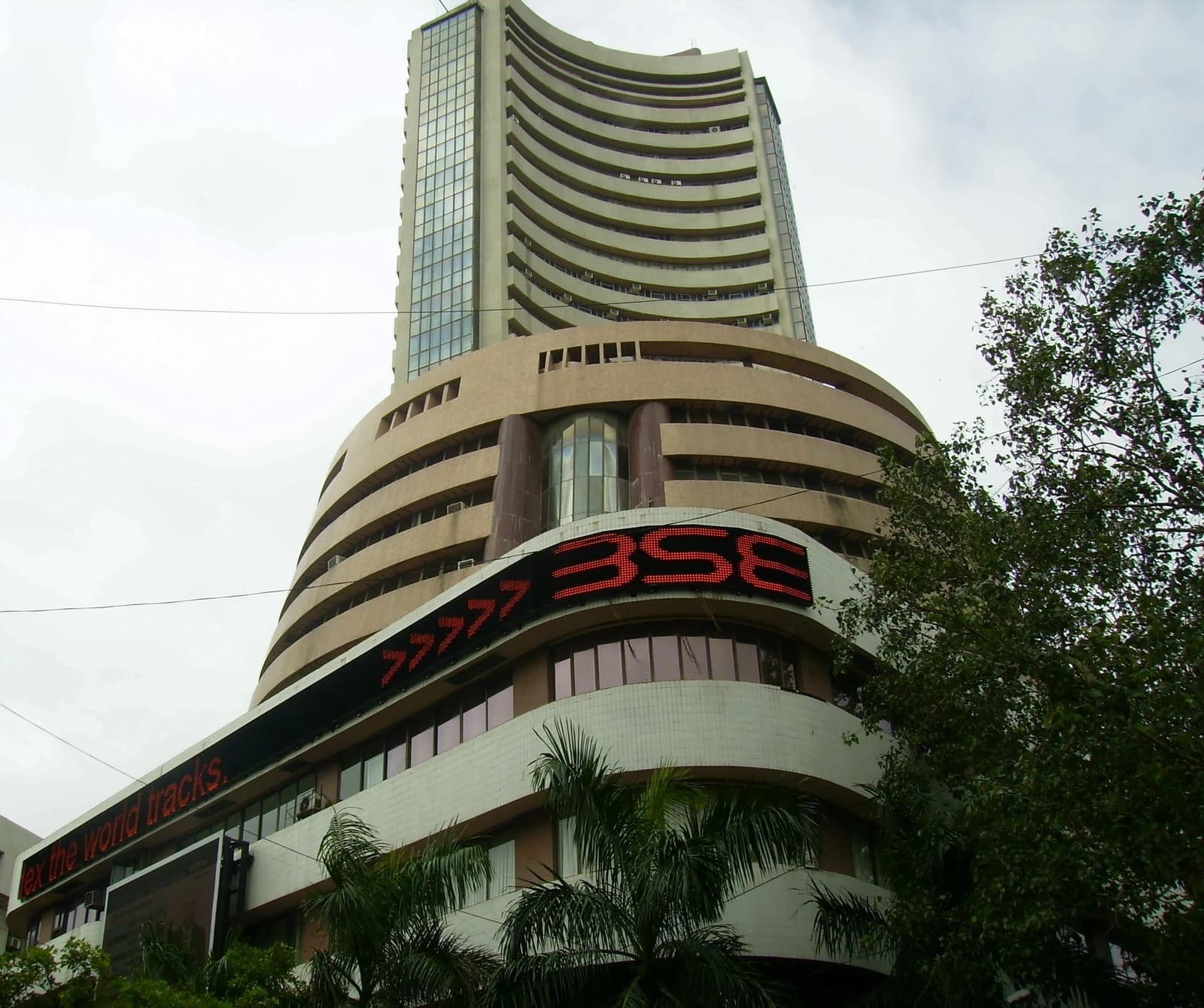
Indian equities recovered as banking stocks led a broad rebound, with the Sensex ending 322 points higher and the Nifty settling at 23,217, a move that matters because financials remain the market’s biggest transmission channel for domestic liquidity, credit growth and risk appetite.
The bounce came after two consecutive losing sessions, suggesting investors were willing to buy back lenders despite persistent global headwinds. Axis Bank and State Bank of India were among the strongest gainers, helping reverse some of the pressure that had built as foreign investors stayed net sellers and US bond yields hovered near multi-decade highs, a combination that typically weighs on emerging-market assets.
The rally also reflected a more constructive near-term setup for Indian markets. Cooling crude oil prices supported sentiment by easing some inflation and external-account concerns, while the rupee opened slightly firmer against the dollar. That helped offset caution stemming from the US Federal Reserve’s policy meeting and five straight sessions of foreign institutional selling. Domestic institutions continued to absorb supply, buying more than ₹2,686 crore in the previous session and cushioning the broader market.
Banking shares matter because they carry outsized influence on both the index and the economy. When lenders rebound, it usually signals investors are less worried about asset quality, funding costs or margin compression, and more confident about loan growth and balance-sheet resilience. Public sector banks in particular drew buying interest, a sign that the market is still treating India’s credit cycle as a domestic-growth story rather than a purely global one.
Technically, the market is still working through resistance near 23,300-23,350 on the Nifty, while the previous session had left a bearish daily candle that kept medium-term sentiment guarded. On stock charts, Axis Bank had slipped to 1,222.9 on the prior close before stabilizing, while SBI had fallen to 968 from 995.7, leaving both names vulnerable to sharp short-covering if buyers continued to defend financials.
The bear case remains that foreign selling, elevated US yields and any renewed strength in crude could quickly unwind the recovery. The bull case is that domestic buying, improving liquidity into banks and a relatively firmer rupee can keep the market anchored even if global risk appetite stays weak.
For investors, the key question is whether this was just a technical bounce or the start of a broader re-rating in financials. If banking strength persists, it would support the Nifty’s ability to push through resistance and keep Indian equities outperforming despite overseas pressure.
| Entity | Gains | Losses |
|---|---|---|
| Bank stocks | ▲Index support, bargain buying | ▼Recent downside pressure |
| Axis Bank, SBI | ▲Rebound in price and sentiment | ▼Risk of profit-taking |
| Domestic institutions | ▲Better entries on dips | ▼Need to absorb foreign selling |
| Foreign investors | ▲Short-term relief if markets stabilize | ▼Ongoing mark-to-market pressure |