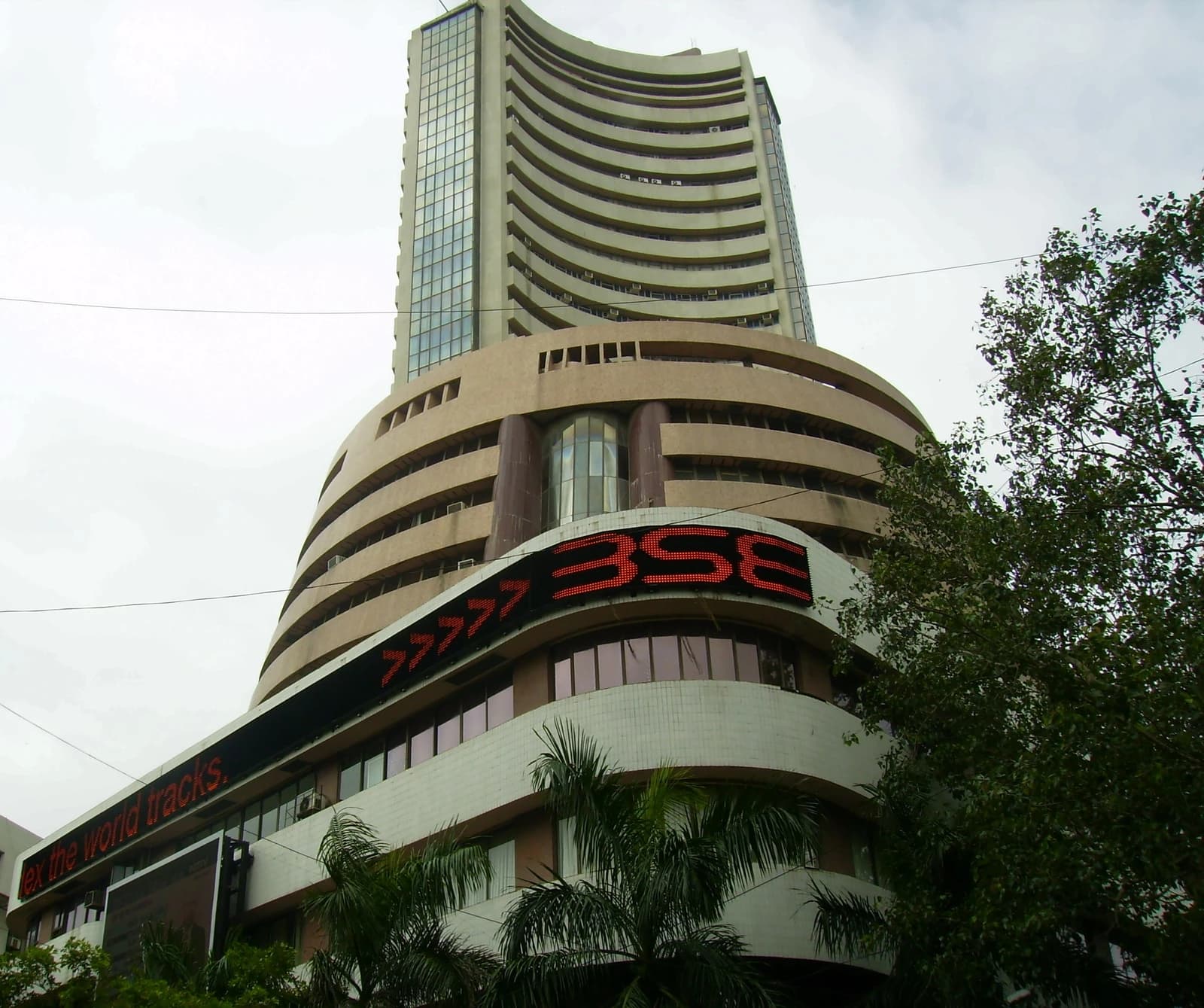
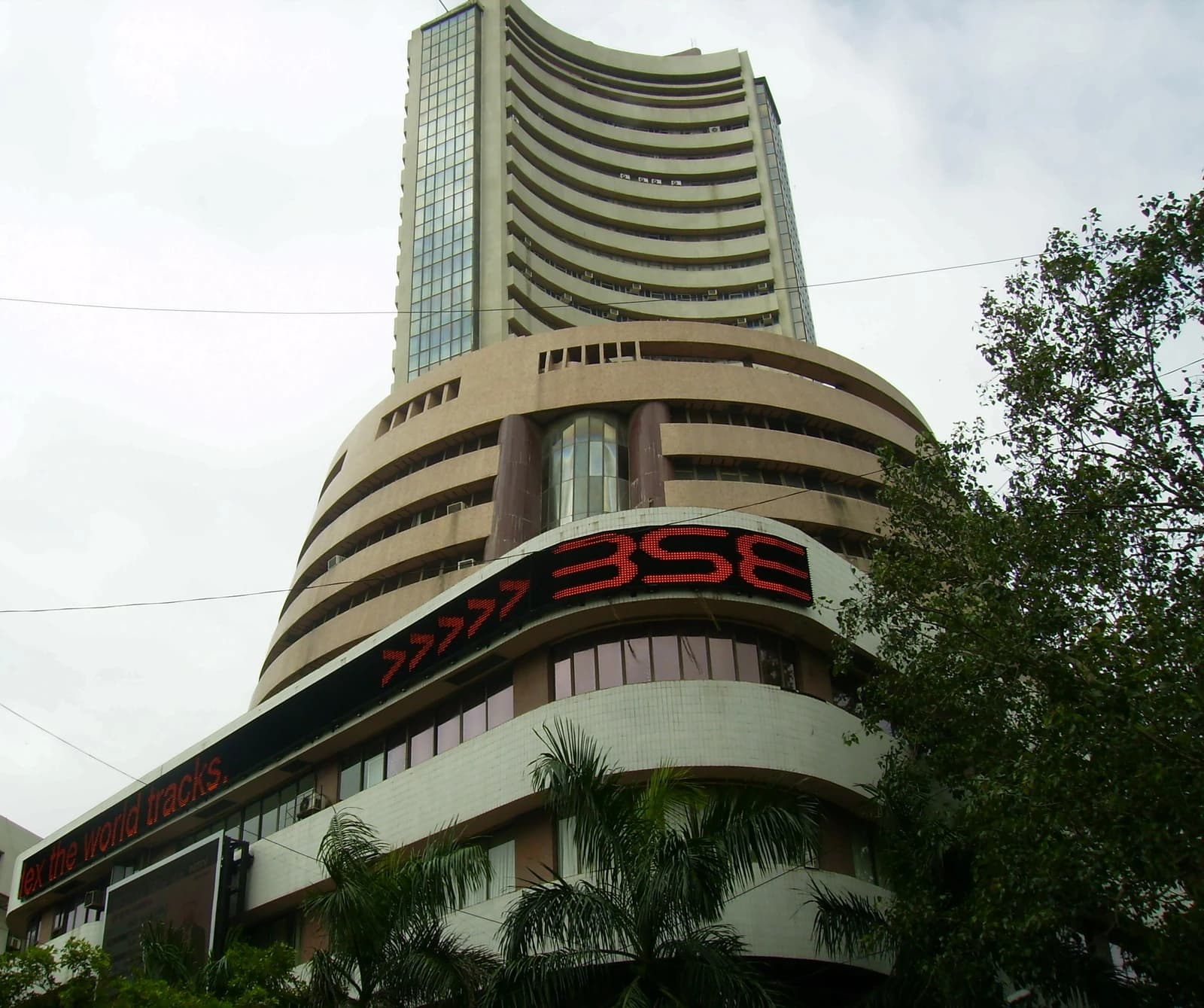
Indian stocks fell as surging crude prices and a weaker global risk tone tightened pressure on a market already trading below key technical averages, underscoring how quickly imported inflation can bleed into earnings, margins and foreign flows.
India Stocks Fall as Crude Prices Stay Elevated

The benchmark Sensex slipped to 77,308.89 on Aug. 24, while the Nifty 50 closed at 24,185.15, both hovering below their 50-day moving averages and well under 200-day averages. The pullback came as U.S. crude held near $86.74 a barrel in the latest forecast and Brent’s broader climb kept the market focused on India’s vulnerability to energy import costs.
Sentiment IndicatorsⓘProprietary · adalytica.com · August 24, 2026
This is a snapshot — live sentiment, awareness and momentum for 130+ markets update continuously in the dashboard.Open AlphaPulse
That matters because India is one of the world’s largest oil importers, and higher crude tends to filter through fuel, transport and power costs before showing up in consumer prices and corporate margins. Persistent oil strength also complicates the Reserve Bank of India’s task: even if domestic demand remains resilient, elevated energy costs can keep inflation sticky and limit room for easier policy. For companies, the impact is clearest in fuel-intensive sectors such as autos, aviation, paints, logistics and chemicals, while upstream energy names and refiners can benefit if product spreads stay firm.
Weak overseas cues added to the pressure. U.S. stocks have moved into a more defensive posture, with Adalytica’s S&P 500 trade signals showing “fear” and “greed” reading lower in recent sessions, while the dollar gauge shows extreme fear even as awareness stays elevated. For Indian equities, that mix is usually unhelpful: a stronger greenback or tighter global funding conditions tends to weigh on emerging-market assets, while risk-off flows can hit foreign inflows into local shares.
Technically, both the Nifty and Sensex remain below their 200-day moving averages, a sign that the broader trend has not yet fully repaired despite occasional rebounds. The Nifty’s relative strength index was in the mid-20s on the latest reading, indicating stretched downside momentum rather than a confirmed recovery. That leaves the market vulnerable to further volatility if crude stays elevated or global equities weaken again.
The immediate question for investors is whether this is a brief commodity-led pullback or the start of a wider earnings downgrade cycle. Bulls will argue that India’s domestic growth story and lower oil intensity versus past cycles can cushion the blow. Bears will point to the combination of expensive crude, fragile global sentiment and still-elevated valuations as a recipe for continued sector rotation away from cyclicals and rate-sensitive names.
For now, the market is trading the old India macro problem in real time: when oil rises, the country pays twice — once through the import bill and again through pressure on inflation, margins and earnings expectations.
| Entity | Gains | Losses |
|---|---|---|
| Oil exporters | ▲Higher revenues | ▼— |
| Indian refiners | ▲Wider product spreads | ▼— |
| Indian consumers | ▲— | ▼Higher fuel and transport costs |
| Sensex/Nifty investors | ▲Defensive sectors | ▼Broader equity valuations |