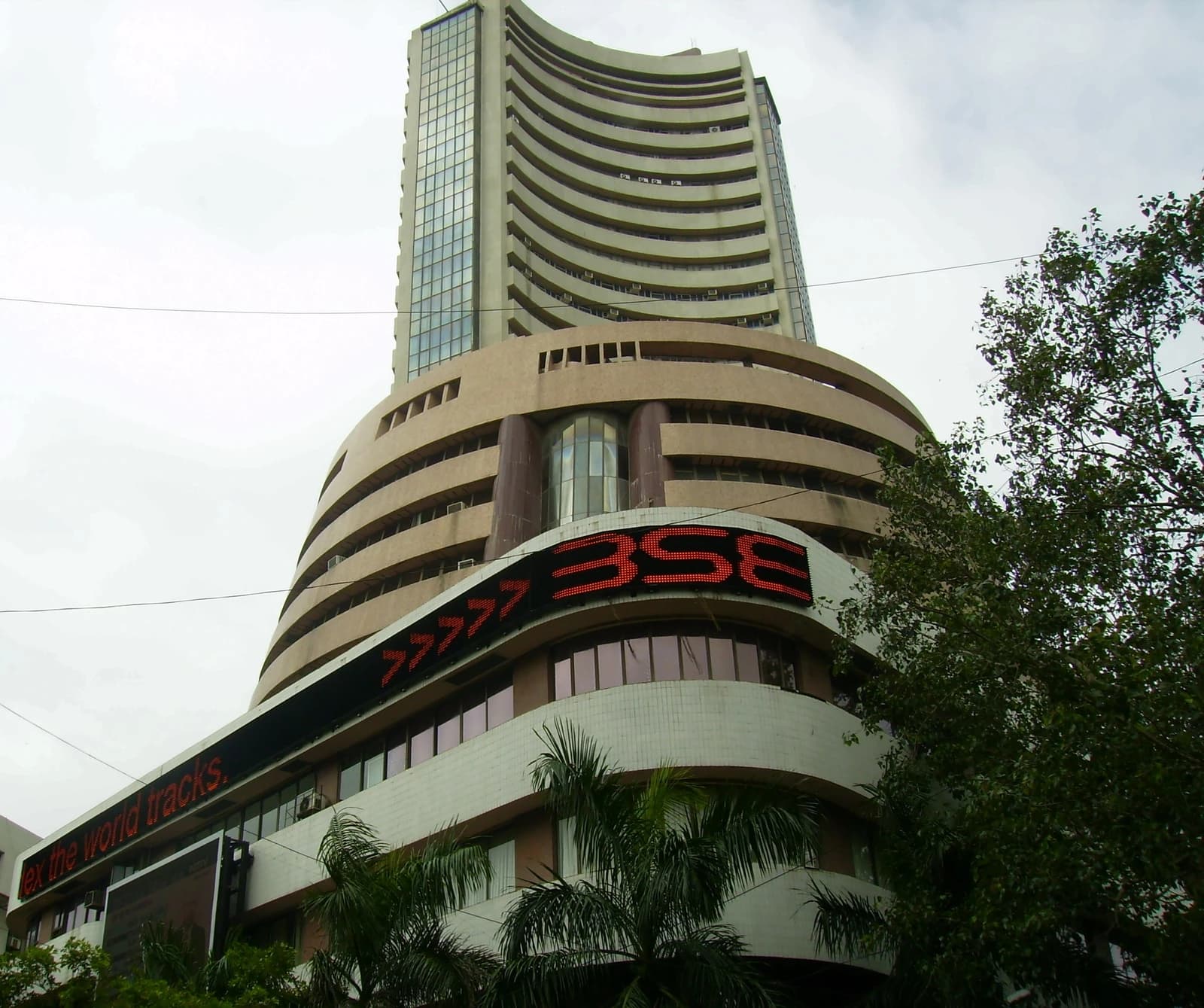
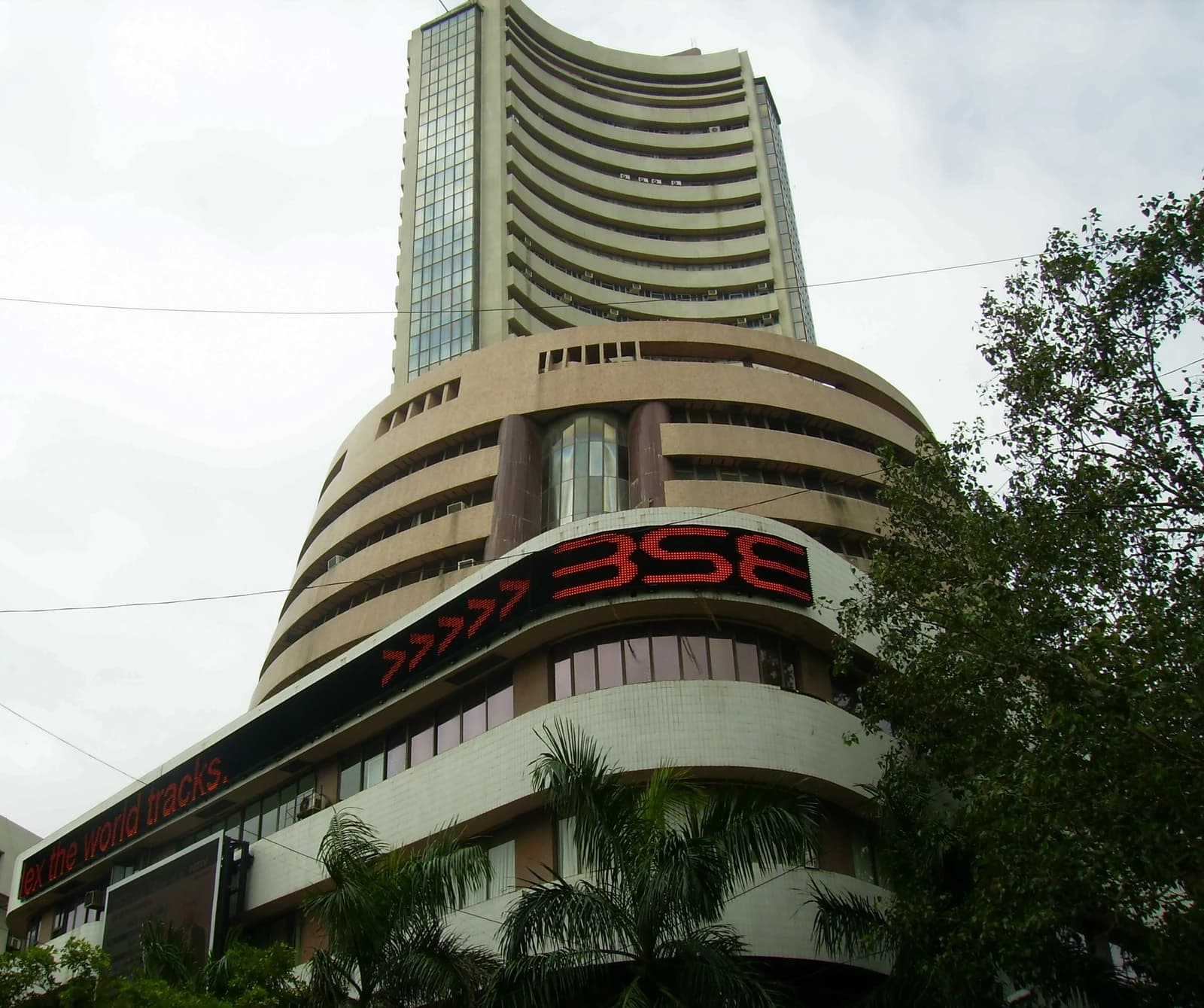
India’s stock market took a sharp hit as rising oil prices and a global bond selloff reignited inflation fears, wiping out about ₹2 lakh crore in market value and sending the Sensex down 813 points to a near four-month low.
India stocks fall as oil and bond yields rise

That matters because this is not just a one-day risk-off move. It is the kind of broad de-rating that usually follows when investors start pricing a tougher mix of higher crude, sticky yields and slower policy easing. For India, where energy is imported and corporate margins are already sensitive to input costs, a move toward $96 oil quickly becomes a macro event, not just a commodity headline.
Sentiment IndicatorsⓘProprietary · adalytica.com · September 10, 2026
This is a snapshot — live sentiment, awareness and momentum for 130+ markets update continuously in the dashboard.Open AlphaPulse
The selloff came as bond markets weakened globally, with investors demanding more compensation for inflation risk. In India, that pressure fed directly into equities even as banks held up better than the broader market, helped by support from RBI-related FCNR(B) inflows. The message from the tape was clear: defensives and financials may still attract capital, but cyclical and valuation-rich stocks are vulnerable when inflation expectations re-accelerate.
The market damage was visible in the breadth of the decline. The Sensex has now fallen for multiple sessions, with the index closing at 74,764.23 on Sept. 9 after touching 74,563.92 earlier in the month, and the technical picture has deteriorated further. The benchmark is trading below its 50-day moving average and well under its 200-day average, while the relative strength index has slipped to 20.7, a level that reflects deeply oversold conditions but does not by itself end the selling. The pattern is consistent with forced de-risking, not a routine pullback.
For investors, the key question is whether this is an opening to buy the dip or a warning that the market has begun a deeper repricing of earnings and discount rates. Our view is that the answer depends on oil. If energy stays elevated, India’s losers are likely to be consumer discretionary names, rate-sensitive sectors and import-heavy industries. If crude eases and global bond yields stabilize, the current drawdown could create selective entry points in banks, infrastructure and domestically oriented beneficiaries.
The wider lesson is that India’s equity premium is no longer just about growth. It is about how long the world can live with higher-for-longer rates, a stronger dollar and firmer commodity prices. That combination is exactly what keeps foreign investors cautious and domestic traders defensive.
For now, the market is telling you to respect the macro. The next decisive move in Indian equities will likely come not from earnings season, but from oil and bond yields.
| Entity | Gains | Losses |
|---|---|---|
| Oil producers | ▲Higher realizations | ▼Demand-sensitive buyers |
| Indian banks | ▲Relative safe haven flows | ▼Broad market selloff |
| Importers / consumer firms | ▲— | ▼Margin pressure |
| Sensex bulls | ▲Potential oversold bounce | ▼Near-term de-rating |