India Stocks Face Pressure From Higher US Yields
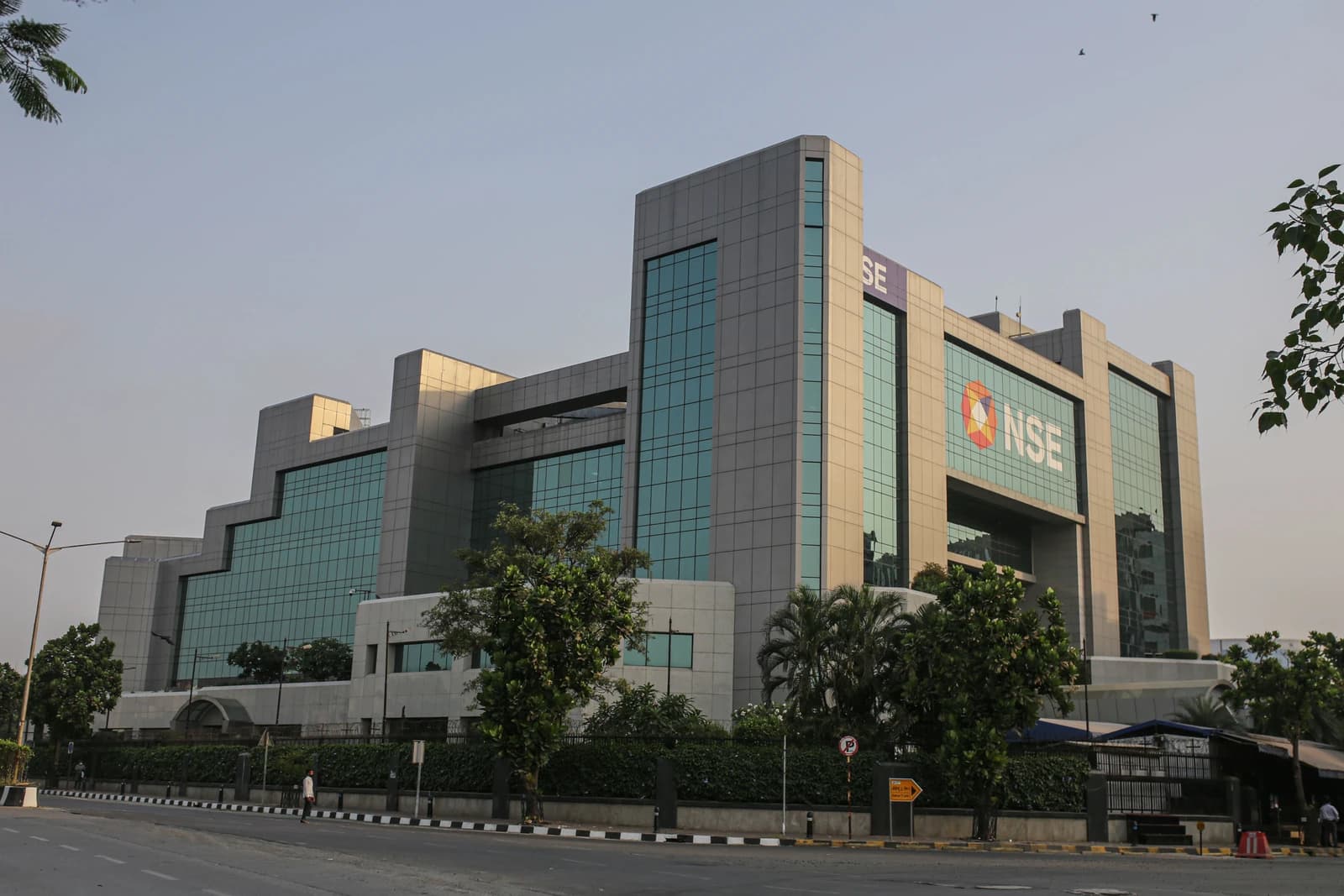
Rising US bond yields are tightening global financial conditions just as Indian equity investors are trying to judge how much risk appetite can survive a more expensive capital market. With the 10-year Treasury yield now near 4.8%, its highest level since 2008, and credit spreads still indicating a cautious market, the message for Indian stocks is clear: valuation support is becoming harder to justify and foreign flows may stay selective.
The economic significance goes beyond Wall Street. When the world’s benchmark risk-free rate climbs, it lifts discount rates across asset classes, raises the hurdle for earnings growth, and makes emerging-market risk assets less attractive relative to US debt. That matters for India because its market has benefited for years from strong inflows, premium valuations and a steady story of domestic growth. Higher global yields weaken that combination by making capital more expensive for companies and reducing the relative appeal of equities in foreign portfolios.
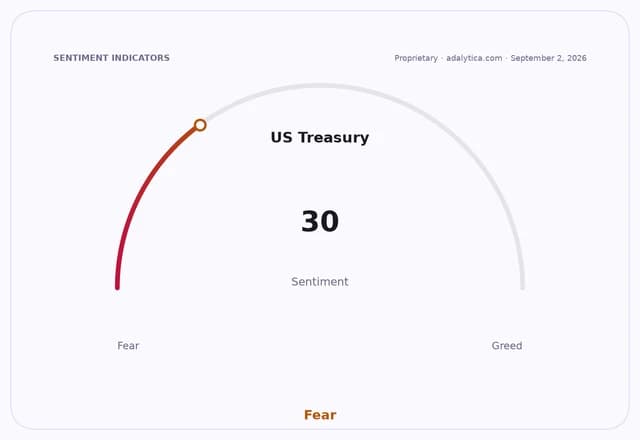
The move in Treasuries also reflects a broader tightening in the global cost of money. The 10-year US yield has surged from 0.73% in 2020 and is now trading at multi-decade highs, while the 2-year/10-year curve remains only modestly positive, around 40 basis points, suggesting markets still expect growth and policy rates to cool eventually but not enough to bring long yields down sharply. High-yield credit spreads, at about 2.6 percentage points, remain contained but are not loose enough to offset the pressure from sovereign yields. In other words, risk-free rates are doing more of the work in setting market pricing.
For Indian investors, that translates into a valuation problem first and a market breadth problem second. The iShares MSCI India ETF, INDA, recently traded around $49.58, below its 200-day moving average of $50.53, while its 50-day average sat at $49.41. That points to a market that is no longer in a clean uptrend even if it is not in outright distress. The ETF’s RSI reading near 42 suggests momentum is neutral-to-soft rather than oversold, while MACD remains above its signal line but only narrowly, implying limited conviction. The story is similar for the iShares MSCI India ETF’s larger-cap exposure and for the India-focused EPI fund, which has also been drifting without a strong technical breakout.
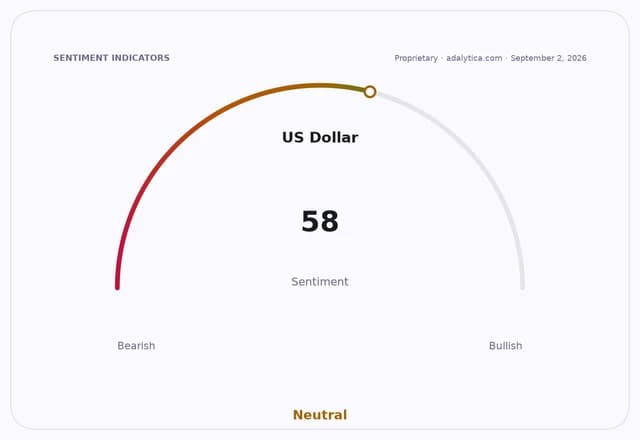
The pressure is even more visible in foreign-facing sentiment. MSCI, whose index franchise is closely tied to cross-border allocation flows, has come off its recent highs and was last around $563.09, below its 50-day moving average of $577.06 and roughly in line with its 200-day average. That does not imply a structural break, but it does show how sensitive global equity markets remain to bond yields and discount-rate shifts. When Treasuries rise, investors tend to demand more from every other asset, and that is a tougher ask for expensive markets such as India.
There is a bullish case. India’s domestic growth engine is still intact, local savings remain supportive, and a softer US yield curve or a pullback in geopolitical risk could quickly restore some of the liquidity that has powered emerging-market inflows. If the Treasury market stabilises, Indian equities could regain support from earnings resilience and secular consumption themes.
The bear case is that elevated US yields linger long enough to compress multiples in a market where much of the optimism is already priced in. A stronger dollar, steadier Treasury demand only after higher supply compensation, and persistent inflation worries would keep foreign investors defensive. For Indian stock investors, the signal from global bonds is not that a sell-off is inevitable, but that the cushion under risk assets is thinner than it was when money was cheaper.
| Entity | Gains | Losses |
|---|---|---|
| US Treasury bond buyers | ▲Higher running yield | ▼Price volatility |
| US government borrowers | ▲Near-term funding access | ▼Higher debt-service cost |
| Indian value stocks | ▲Relative valuation appeal | ▼Less than high-growth names |
| Indian growth stocks | ▲— | ▼Multiple compression |