India Sugar Imports Rise on Cane Shortage
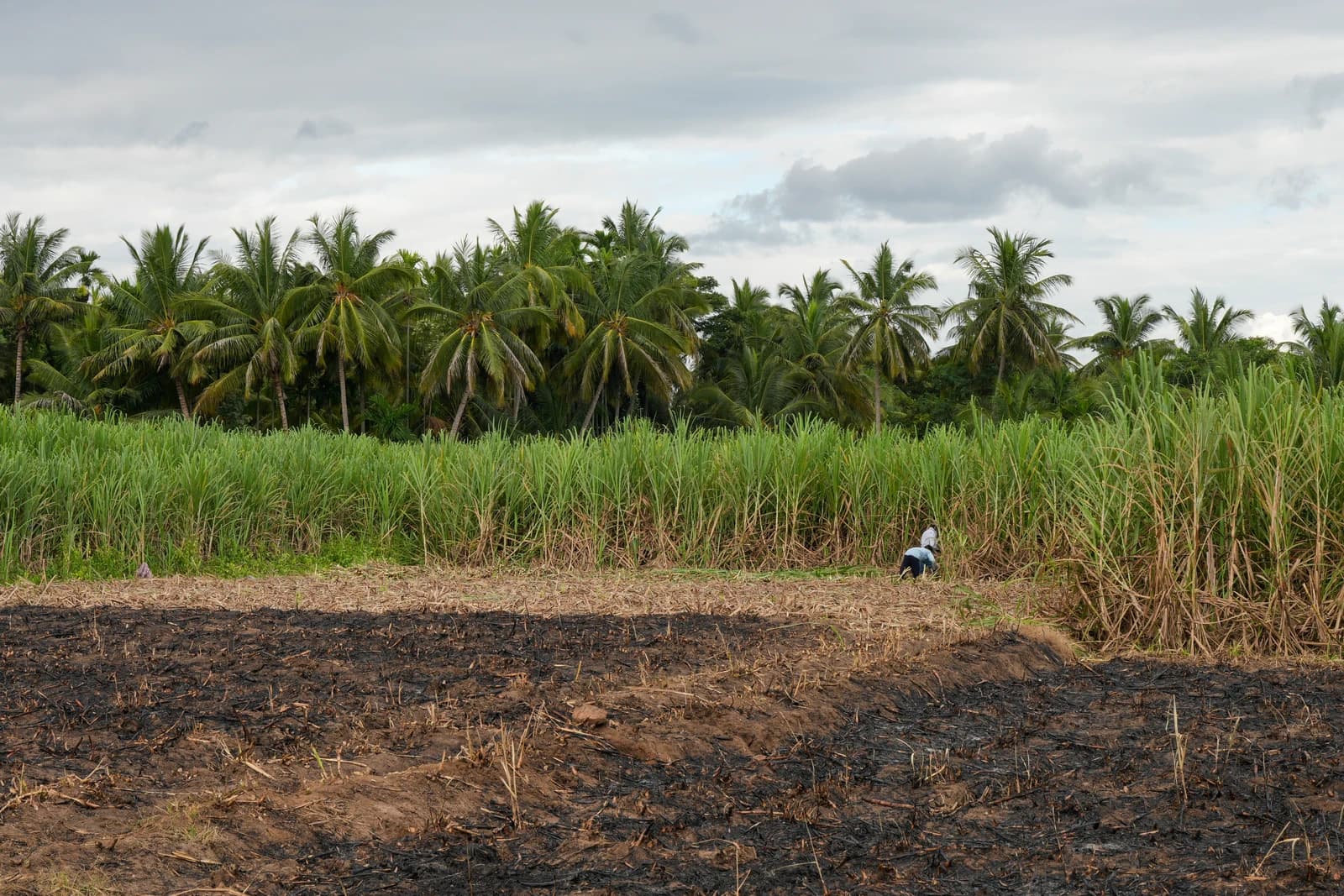
India's government is pushing back against claims that ethanol blending has driven sugar prices higher, saying the real problem is weak sugarcane output, festive demand and stockpiling — a mix that has forced the country to import sugar for the first time in a decade.
The dispute matters because sugar is both a household staple and a politically sensitive food item in India, where any sustained price rise feeds into inflation and voter anger. It also underscores the trade-off between energy policy and food supply: New Delhi is trying to expand ethanol use in transport fuel while keeping enough cane available for the sugar market.
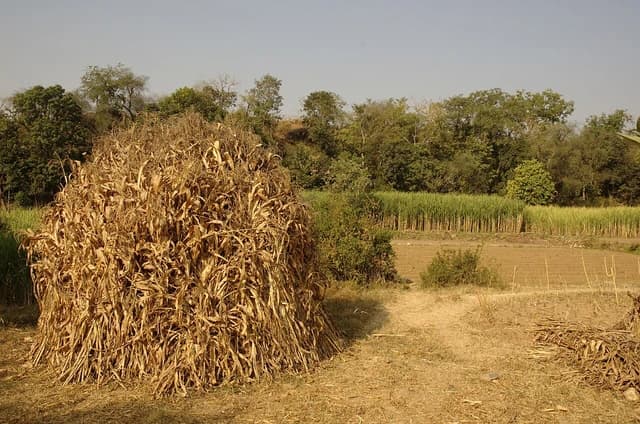
Officials say the supply squeeze is rooted in poor harvests rather than the ethanol program. That is a crucial distinction for mills and farmers, because if cane output is the binding constraint, then curbing ethanol alone would do little to ease prices and could instead hit investment in the biofuel chain.
India's return to sugar imports is especially notable for a country that has long been a major exporter. The move signals tighter domestic availability and raises the odds of firmer global demand for raw and refined sugar, even as New Delhi works to prevent a deeper local shortage ahead of peak consumption periods.
Market data also point to a broader squeeze in commodity inputs. Brent and U.S. crude benchmarks have been elevated in recent months, while the U.S. dollar has swung sharply, leaving emerging-market importers more exposed to food and fuel costs. For consumers, that means higher grocery bills; for investors, it keeps attention on sugar refiners, ethanol producers and Indian agribusiness policies.
The key catalyst now is whether the next cane harvest improves enough to rebuild stocks. Until then, the ethanol debate is likely to stay tied to India's inflation outlook, import needs and the pricing power of global sugar producers.
| Entity | Gains | Losses |
|---|---|---|
| Indian sugar mills | ▲Higher selling prices | ▼Short-term supply pressure |
| Consumers in India | ▲— | ▼Higher sugar prices |
| Ethanol producers | ▲Policy support if blending stays intact | ▼Blame for shortages |
| Global sugar exporters | ▲New import demand | ▼— |