India’s launch of a formal campaign for a permanent U.N. Security Council seat is more than diplomatic theatre — it is a bid to convert geopolitical weight into lasting strategic leverage, and investors should read it as a long-cycle support for India’s premium over other emerging markets.
India UNSC Bid Supports Geopolitical Premium
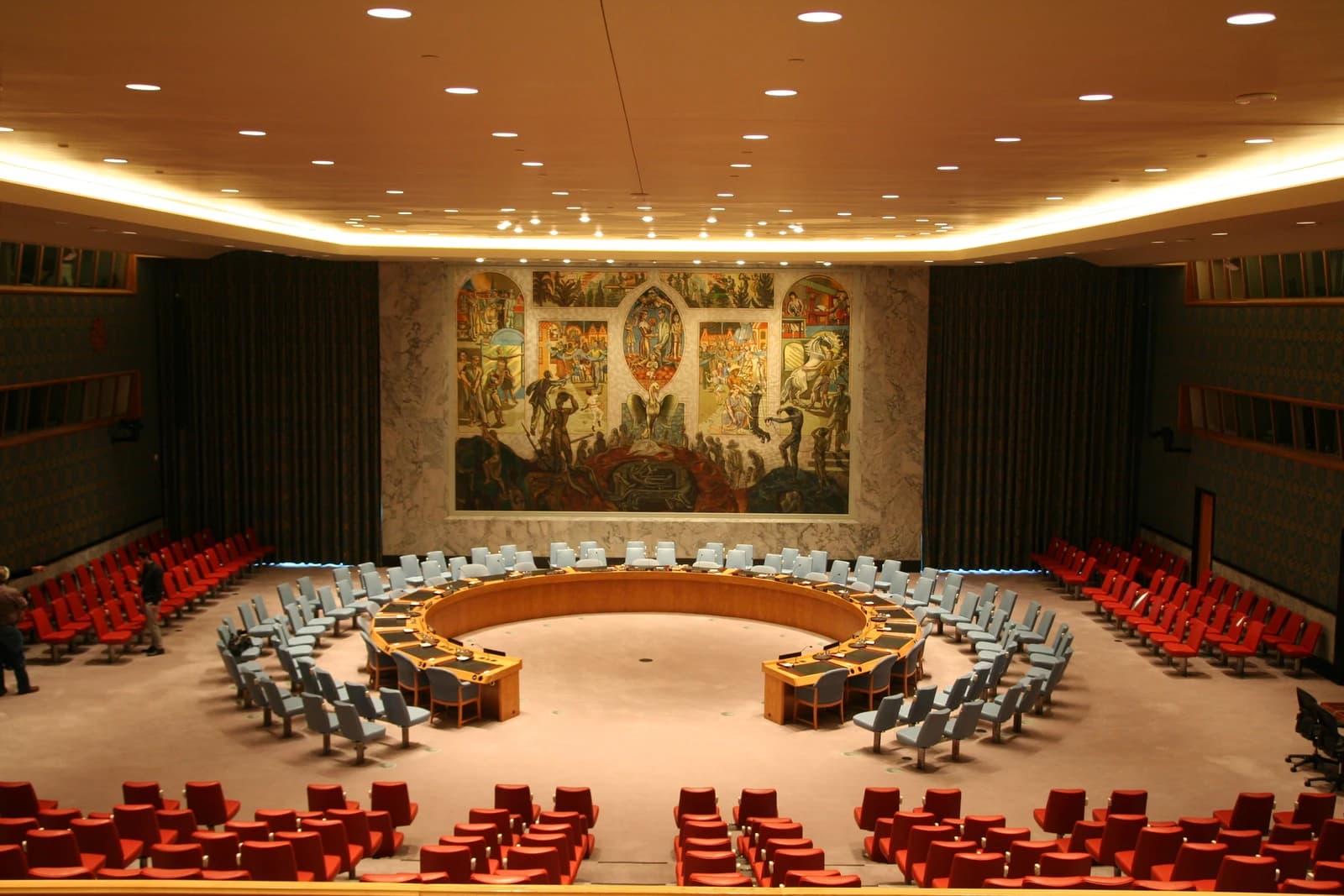
External Affairs Minister S. Jaishankar’s six-point “SHANTI” agenda frames the push around a blunt argument: global governance is no longer fit for purpose if the Global South remains underrepresented. That matters economically because India is trying to turn its demographic scale, manufacturing ambitions and technology buildout into a durable seat at the table where sanctions, conflict, trade rules and development finance are shaped. For a country competing for capital with China and the broader emerging-market universe, that institutional ambition is part of the investment case.
Sentiment IndicatorsⓘProprietary · adalytica.com · July 13, 2026
This is a snapshot — live sentiment, awareness and momentum for 130+ markets update continuously in the dashboard.Open AlphaPulse
The timing is important. India is positioning itself as the preferred large-scale alternative in a world splitting into competing supply chains and security blocs. A permanent UNSC seat would not just be symbolic; it would reinforce India’s claim that it is a core system-maker, not a peripheral beneficiary of U.S. or European policy. That can matter in trade talks, defense procurement, energy diplomacy and capital allocation. The market tends to discount those soft-power gains, but they can translate into harder outcomes: better access to Western supply chains, more diplomatic room with the Gulf and Africa, and a stronger hand in attracting long-duration foreign direct investment.
That is why the story is relevant for investors in the India trade. The iShares MSCI India ETF, INDA, has been volatile but remains close to its recent trading range, while the broader pattern still reflects a market that is digesting India’s strategic upgrade rather than fully pricing it. By contrast, the SPDR Portfolio India ETF, EPI, shows a similar picture: not a breakout, but a steady bid that suggests investors continue to treat India as the cleaner geopolitical play in Asia. The market is missing the second-order effect here — diplomatic elevation can support valuation multiples by lowering perceived policy risk and widening the set of global institutions and partners willing to align with India’s long-term growth model.
Economic Growth Targets vs INDAadalytica.com
Explore this data interactively — full history, time series and cross-market comparisons.Open AlphaPulse
This is also where the narrative around the Global South matters. India is not only asking for a permanent seat; it is trying to become the political voice of an economic bloc that is increasingly central to commodities, manufacturing, data centers, defense cooperation and infrastructure spend. If New Delhi can credibly claim leadership of that bloc, it gains negotiating power far beyond the U.N. hallways. That strengthens the case for India-linked sectors that benefit from state capacity and geopolitical relevance: defense, ports, logistics, power, telecom infrastructure and digital services.
The headline risk is that UNSC reform remains slow, consensus-heavy and prone to symbolic gestures with no immediate payoff. But that is exactly why the opportunity persists. Markets often wait for the institutional victory before rerating a country’s strategic importance. Our thesis is the opposite: the rerating starts when the ambition becomes explicit and sustained.
For investors, the actionable takeaway is clear: stay overweight India as a geopolitical compounder, and use pullbacks in INDA and EPI to build exposure to the long-duration beneficiaries of India’s push for global status, supply-chain relevance and capital inflows.
| Entity | Gains | Losses |
|---|---|---|
| India / INDA / EPI holders | ▲Geopolitical premium | ▼None immediately |
| Global South states | ▲Greater voice | ▼Status quo powers |
| China | ▲Relative soft-power pressure | ▼Institutional influence |
| UNSC reform skeptics | ▲Little | ▼Momentum for change |