India Banks Women Financial Inclusion and Credit
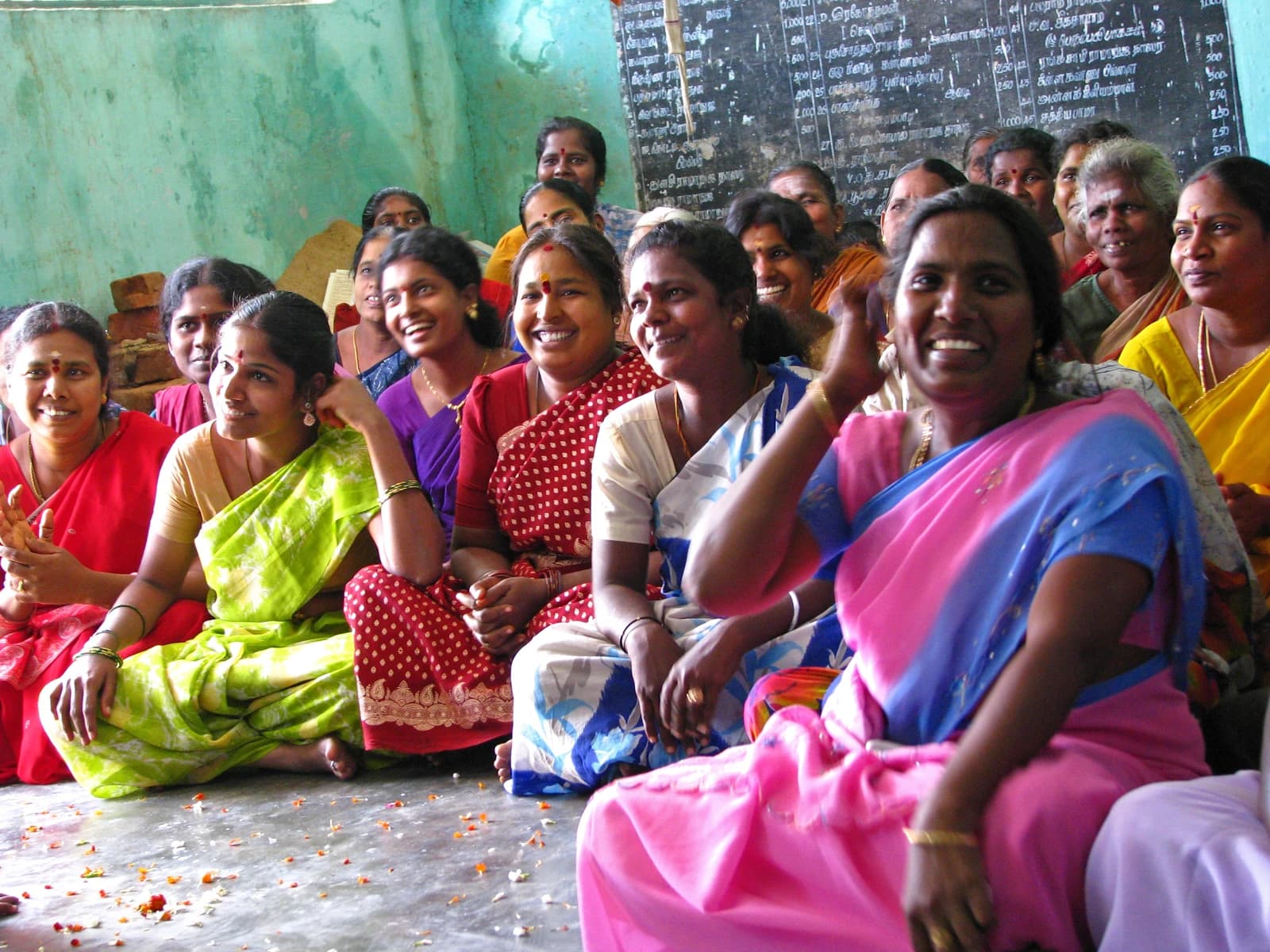
India has made striking progress bringing women into the formal financial system, but the next test is whether that inclusion turns into meaningful credit, savings and investment power that can lift incomes and growth.
That matters because account ownership is only the first step in a larger economic shift. When women can reliably save, borrow and transact through formal channels, household consumption becomes more resilient, micro-entrepreneurship gets easier to finance and credit risk is better distributed across the economy. The payoff is not just social; it is macroeconomic, expanding the pool of productive borrowers in a country where private credit growth remains central to the investment cycle.
The recent data underscore how much remains at stake. India’s banking system has continued to deepen, with broad money and credit measures still trending higher, but the composition of that progress is what investors should watch. Financial inclusion can boost deposit growth and lower funding costs for lenders, yet if women remain concentrated in low-balance, low-usage accounts, the system captures deposits without unlocking commensurate loan growth or fee income.
For banks such as HDFC Bank and ICICI Bank, the opportunity is to convert inclusion into durable retail franchise gains. Both lenders have seen their shares move sharply over the past year, but the more important question for long-term valuation is whether new female customers become active users of payments, deposits, wealth products and secured credit. That would support cross-sell, improve granularity of funding and reduce reliance on wholesale channels. If not, inclusion may add scale without much earnings leverage.
Macro conditions are mixed. The Federal Reserve’s benchmark rate has eased to 3.63%, with the US unemployment rate around 4.1%, while the dollar has stayed broadly neutral in recent Adalytica trade signals. For Indian lenders and borrowers, that mix can support capital flows and risk appetite, but domestic credit quality and household income growth will still determine whether financial access translates into real borrowing power.
The bull case is that India’s digital payments and banking infrastructure have already done the hard work of bringing women into the formal system, creating a platform for faster growth in small-business lending, rural credit and household financial resilience. The bear case is that inclusion stalls at basic accounts, leaving banks with more low-cost deposits but limited evidence that women are being served as full economic participants.
For investors, the key catalyst is whether lenders can show rising engagement from female customers in loan books, deposit balances and product adoption. That would make India’s inclusion story not just a policy success, but a marketable earnings theme.
| Entity | Gains | Losses |
|---|---|---|
| Women customers | ▲Better access to formal finance | ▼Little benefit if credit stays limited |
| Indian banks | ▲Lower-cost deposits, cross-sell potential | ▼Higher costs if usage stays shallow |
| Indian economy | ▲Stronger consumption and entrepreneurship | ▼Slower productivity gains if inclusion stalls |
| Investors in lenders | ▲Deeper retail franchises, earnings upside | ▼Valuation risk if inclusion remains cosmetic |