Indian equities flat after Fed rate hike
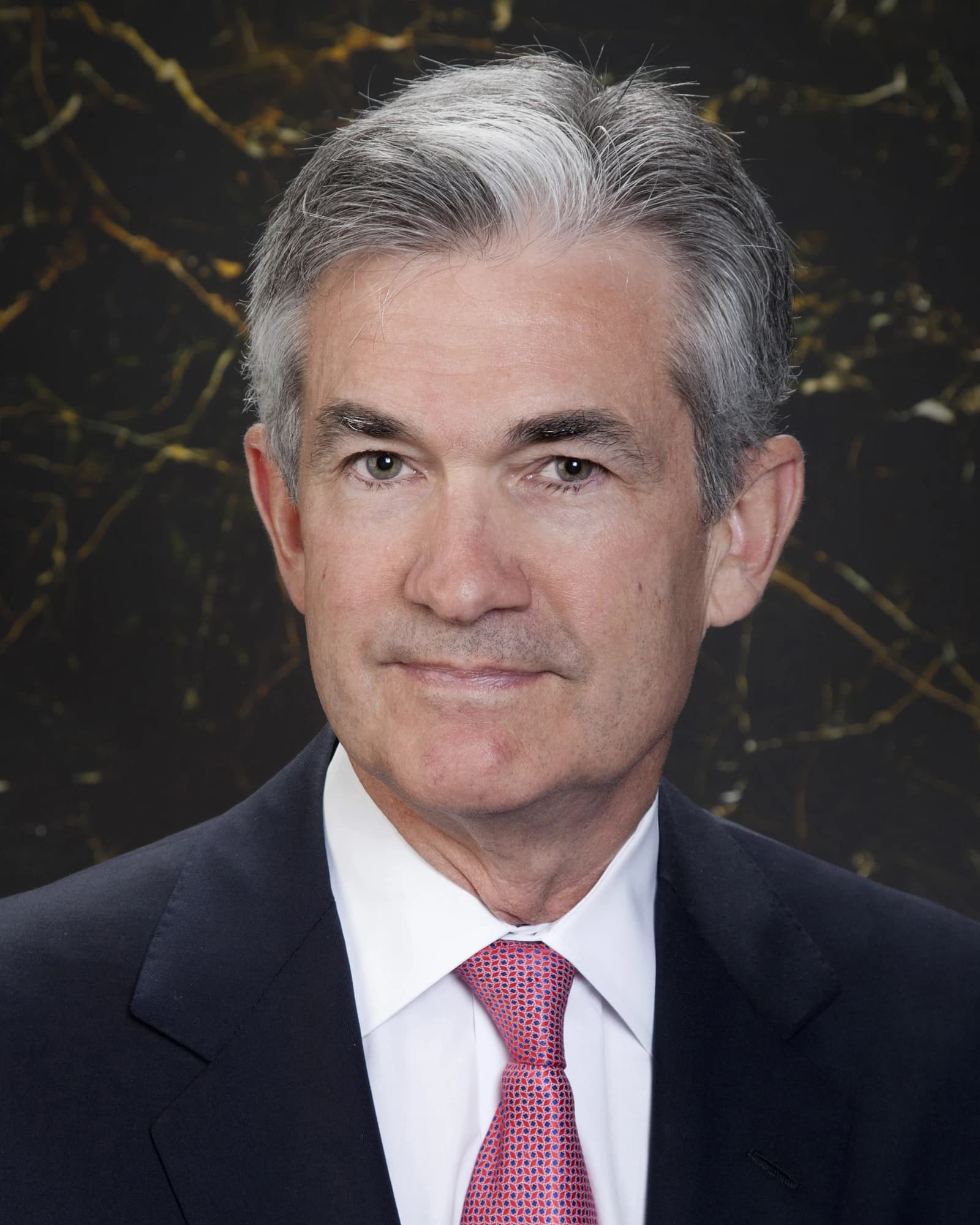
Indian equities finished little changed on Thursday as the Federal Reserve’s quarter-point rate increase and warning of more tightening reinforced a higher-for-longer global rate backdrop that is pressuring capital flows into emerging markets.
The Sensex slipped 21.86 points, or 0.03%, to 74,314.59 after earlier rising as much as 341 points, while the Nifty gained 0.23% to 23,270.60, giving back part of its intraday advance as investors squared positions late in the session. The muted close shows how quickly domestic optimism can be capped when US yields stay elevated and foreign money continues to leave Indian equities.

The immediate market significance is not the Fed move itself — which had largely been priced in — but the policy signal that borrowing costs in the world’s largest economy may stay restrictive for longer. That keeps the US 10-year Treasury yield near 5%, strengthening the dollar and narrowing the appeal of risk assets in India and other emerging markets. In practical terms, higher US yields raise the hurdle rate for overseas investors weighing Indian equities, especially when local valuations remain rich by regional standards.
Foreign institutional investors sold Rs 2,032.61 crore of Indian shares on Wednesday, extending an overhang that has already limited the market’s ability to build on domestic buying. That flow dynamic matters more than the day’s headline index moves: sustained FII selling tends to weigh on financials, IT and other large-cap segments that dominate benchmark performance and liquidity.
The session’s sector pattern reflected that tension. Insurance, capital goods and industrials led gainers, while banks and private lenders lagged, with the Top 10 Banks index, Private Banks and Bankex all slipping. That underperformance is notable because financials usually anchor the market during risk-on phases; weakness there suggests investors are becoming more selective rather than adding broad exposure. Broader markets were firmer, with small-caps and mid-caps higher, pointing to some domestic appetite for cyclicals and internally driven names even as foreign flows remain cautious.
The Fed’s decision also arrives at a time when oil remains an external risk for India. Brent crude eased to $104.10 a barrel, but prices are still high enough to keep pressure on inflation, the current account and corporate margins. For investors, that combination — sticky US rates, elevated oil and foreign selling — argues for a choppy trading range rather than a clean breakout in the near term.
There was some offset from improving sentiment in parts of Asia and Europe, but US markets closed lower overnight, reinforcing the message that global investors are still digesting the implications of tighter policy. In India, the near-term test will be whether domestic earnings and festival-season demand can absorb the drag from overseas rates and capital outflows.
For now, the market is treating the Fed hike as confirmation that liquidity conditions are no longer getting easier. Until US yields retreat or foreign flows stabilize, Indian benchmarks may continue to close flat even when intraday sentiment improves.
| Entity | Gains | Losses |
|---|---|---|
| Exporters with dollar revenue | ▲Stronger dollar support | ▼Rising global funding costs |
| Indian banks and lenders | ▲Higher lending rates over time | ▼Valuation pressure, foreign selling |
| Small- and mid-cap stocks | ▲Domestic rotation support | ▼Less foreign liquidity |
| US bondholders | ▲Higher yields and carry | ▼Risk assets facing tighter conditions |