Indian FMCG spending rises as shopping trips fall
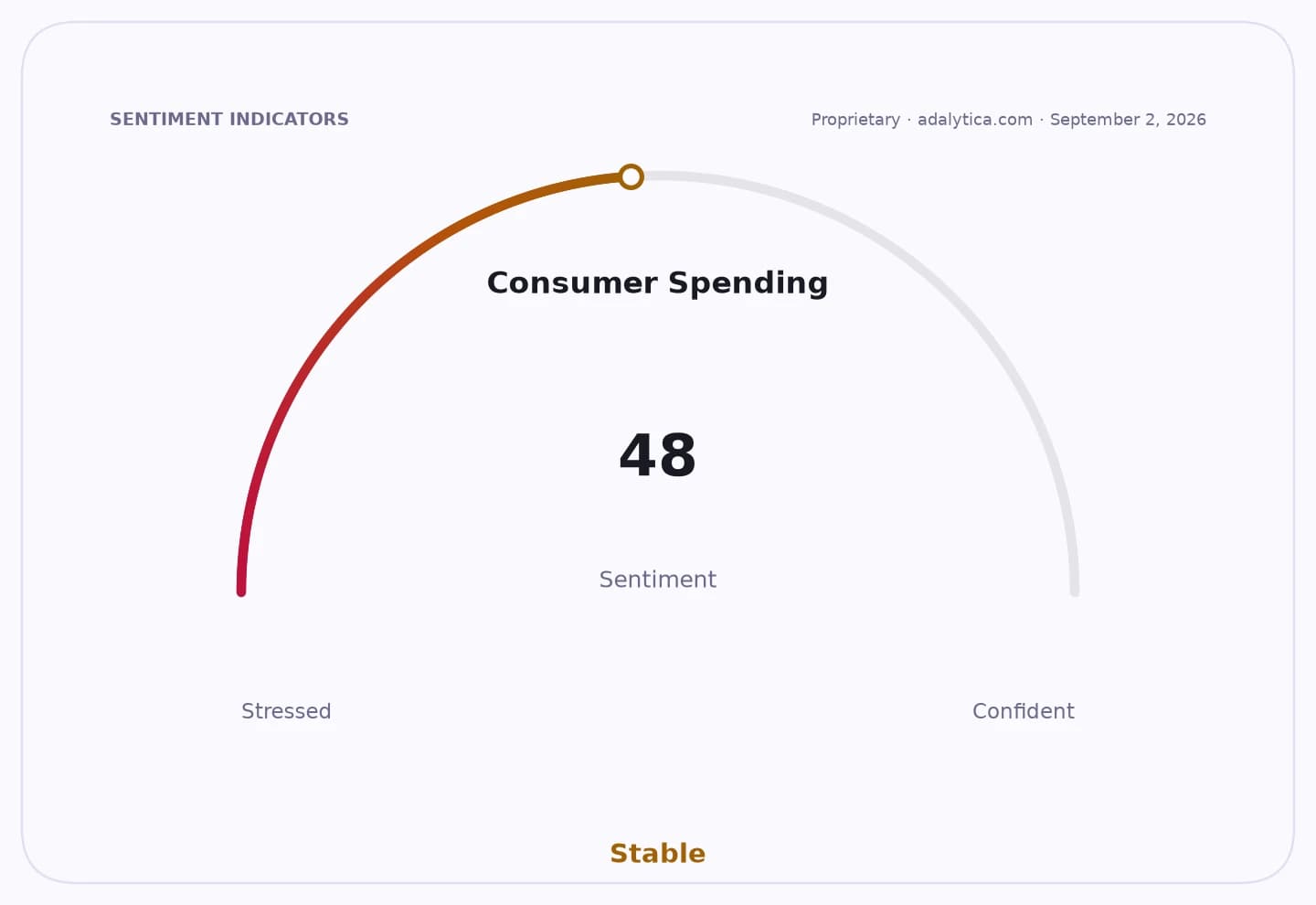
Indian households are spending more on fast-moving consumer goods even as the number of shopping occasions falls, a shift that matters because it changes where volume growth comes from, which brands win shelf space and how much pricing power consumer companies can sustain.
Worldpanel by Numerator data show annual FMCG spending rose 10% year on year even as store trips slipped to 155.6 occasions in the 12 months to March 2026 from 157.2 in the prior comparable period. The pattern points to a consumer base that is not retreating, but consolidating purchases into fewer, more deliberate trips and shifting toward larger packs and premium formats.
That has different implications by category. Biscuits and hair wash, two high-frequency segments that traditionally depended on repeat purchases, are seeing the sharpest change in behavior. In snacking, overall occasions eased to 90.9 from 92.7 a year earlier, but the mix is moving up the value ladder: premium indulgence occasions rose to 35.5% from 28.8%, while everyday value occasions fell to 39.1% from 47.3%. Salty snacks are taking some share from biscuits, and the biscuit occasions that remain are becoming more premium.
Hair wash is showing a similar format shift. Purchase occasions fell to 25.8 in April 2025-March 2026 from 30.4 in April 2022-March 2023, with the decline concentrated in sachets while bottle occasions stayed broadly stable. That suggests households are not just buying less often; they are choosing larger or more economical pack sizes when they do buy, reducing traffic in the very channels and price points that have historically supported mass-market FMCG volume.
For companies such as Hindustan Unilever, ITC and Nestle India, the message is mixed. Premiumization and trade-up can support revenue even if trip counts soften, but weaker occasion frequency can pressure unit volume growth, particularly in everyday staples and low-ticket categories. Brands with stronger innovation pipelines, better premium positioning and wider household reach are better placed to offset the shift. Those relying on sachets, value packs and habitual replenishment may find growth harder to defend.
Investors should read the trend as a structural adjustment rather than a cyclical blip. It supports the case for companies that can monetize fewer shopping occasions through larger baskets, differentiation and premium mix, but it also raises questions about how broad-based FMCG demand really is if inflation-adjusted household spending is increasingly concentrated in fewer trips. The next catalyst will be whether the premium and indulgence shift can keep offsetting softer frequency without eroding the volume base that underpins long-term earnings growth.
| Entity | Gains | Losses |
|---|---|---|
| Premium FMCG brands | ▲Higher mix, better realizations | ▼Value-led competitors |
| Large-pack manufacturers | ▲Bigger basket sizes | ▼Sachet-heavy sellers |
| Biscuits and snack premium players | ▲Share from routine consumption | ▼Routine biscuit brands |
| FMCG investors with premium exposure | ▲Revenue resilience | ▼Volume-focused holders |