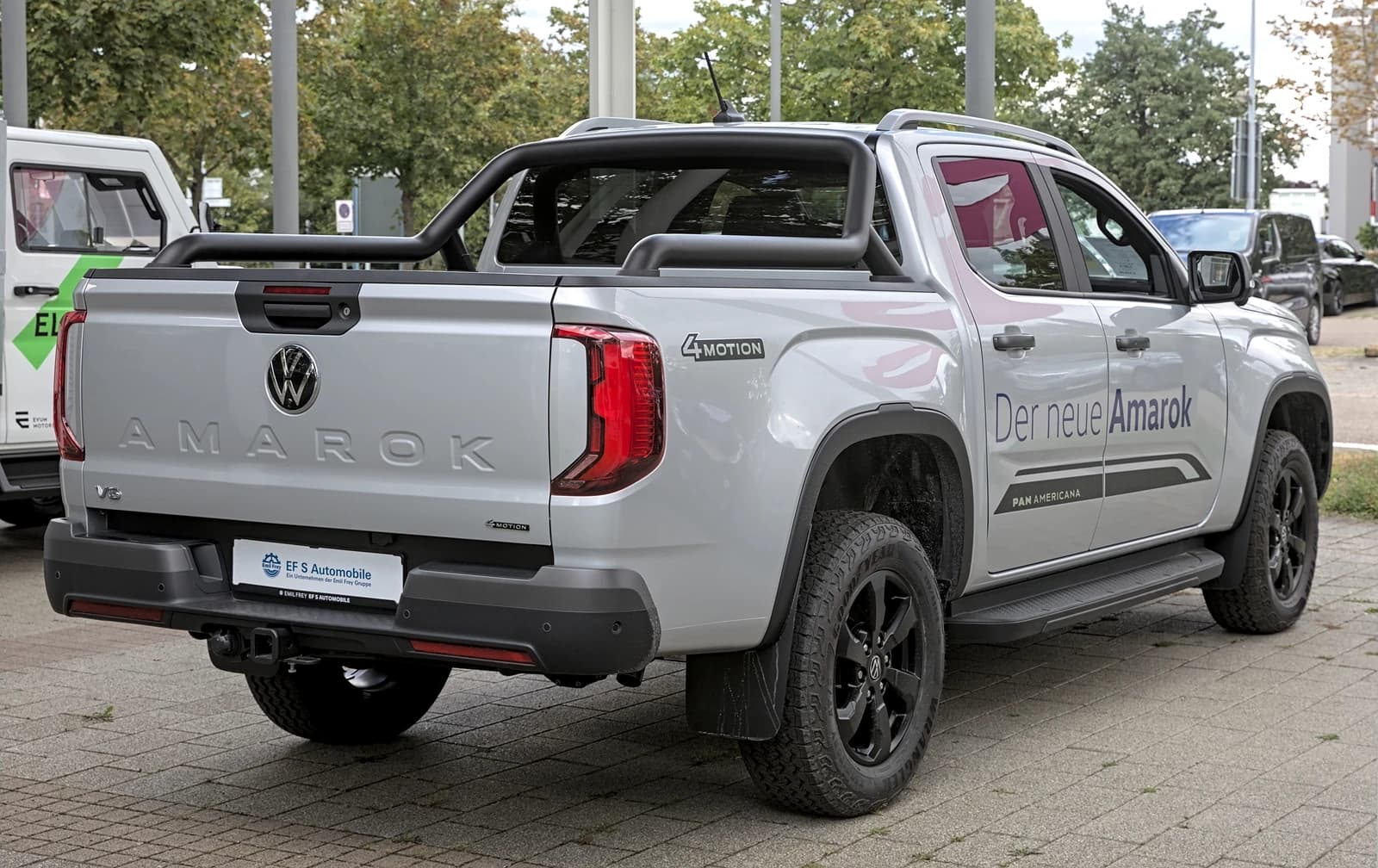
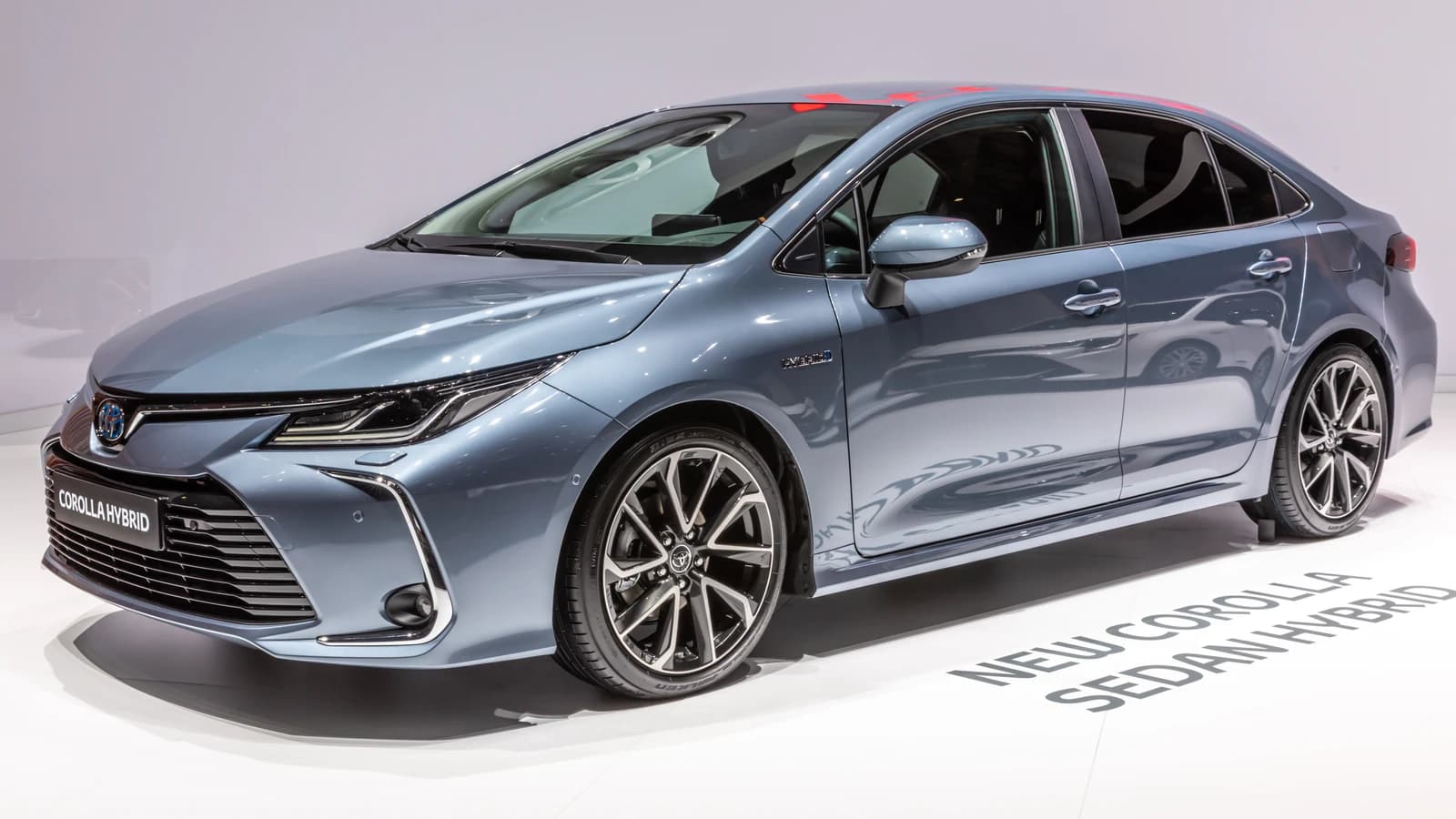
Indonesia’s biggest car exporters are leaning harder on overseas sales, with BYD and Toyota both sharpening plans to use local factories as platforms for shipments abroad at a time when global auto trade remains uneven.
Indonesia auto exports rise as BYD and Toyota expand
The shift matters because exports are becoming a key support for production, investment and jobs in Southeast Asia’s largest vehicle market, while also showing how Chinese and Japanese manufacturers are repositioning supply chains to capture demand outside their home markets. For investors, it points to a deeper push for Indonesia to move beyond a domestic sales story and into a broader manufacturing hub for electric and conventional vehicles.
Sentiment IndicatorsⓘProprietary · adalytica.com · September 9, 2026
This is a snapshot — live sentiment, awareness and momentum for 130+ markets update continuously in the dashboard.Open AlphaPulse
Gaikindo data show Indonesia exported 293,547 completely built-up vehicles in January-July 2026, up 3.5% from a year earlier. That growth is modest, but it is enough to keep factories running and justify fresh capital spending as manufacturers seek lower-cost production bases and access to regional markets.
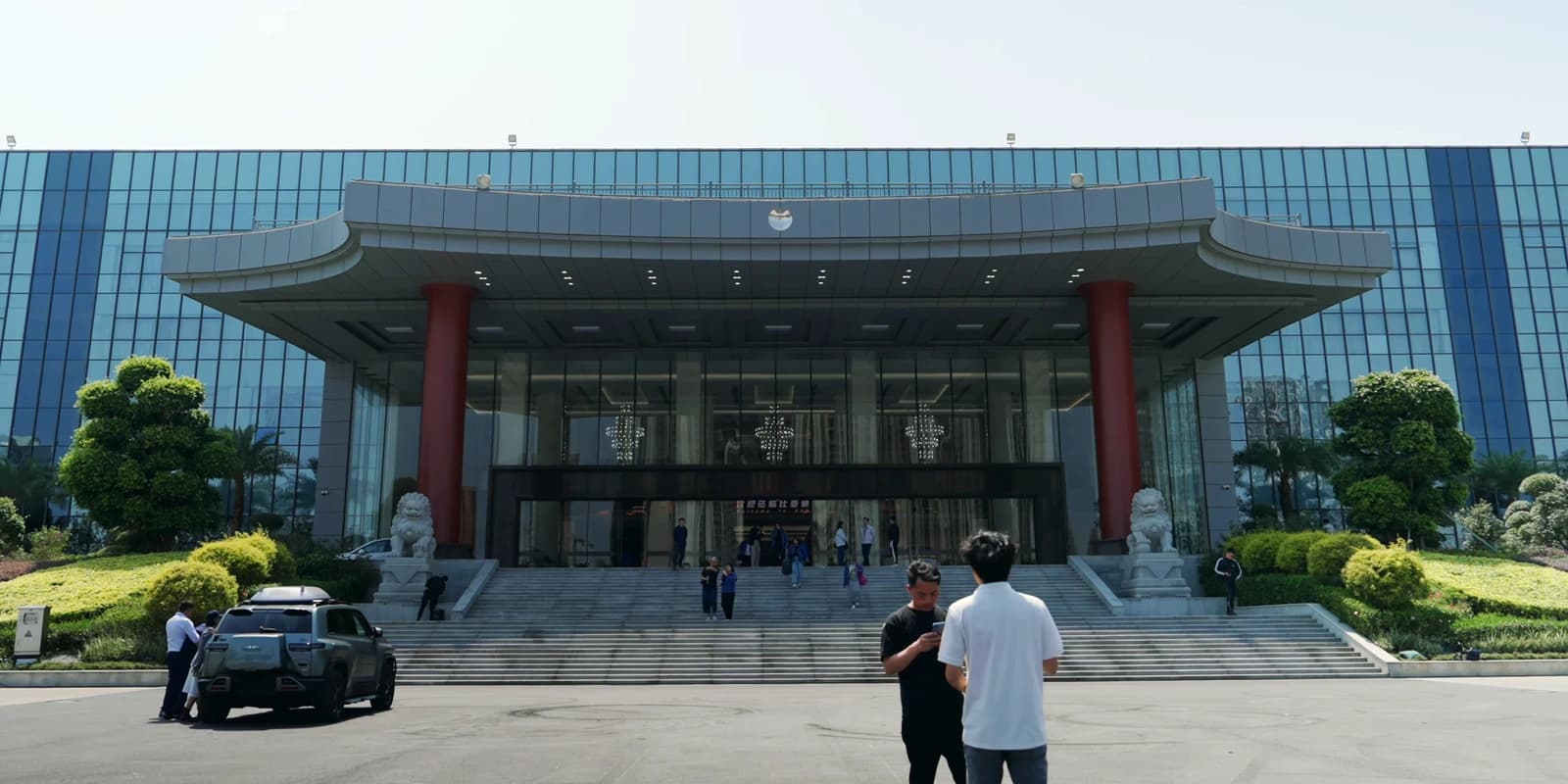
BYD is the clearest example of that strategy. After opening its plant in Subang, West Java, the Chinese electric vehicle maker said it wants the facility to serve not just Indonesia but as an export base for Southeast Asia and beyond. The plant has capacity for 150,000 vehicles a year and could be expanded, according to President Director Eagle Zhao. BYD has invested about Rp16 trillion in Indonesia when factories, distribution, logistics and supporting infrastructure are included.
The company is also trying to localize more of its supply chain. It is targeting a 60% local content ratio by 2027 and 80% by 2030, in line with Indonesia’s industrial policy. That matters economically because higher local content can deepen domestic manufacturing, reduce import dependence and improve the economics of exporting out of Indonesia rather than shipping finished cars in from China.
Toyota, meanwhile, is relying on exports to keep one of its biggest overseas manufacturing bases humming. Toyota Motor Manufacturing Indonesia said exports account for about 60% of its production and domestic sales the remaining 40%, underscoring how important foreign demand remains to its operations in Karawang. The company ships both internal combustion models such as Avanza, Fortuner and Rush, and electrified vehicles including the Yaris Cross Hybrid and Kijang Innova Zenix Hybrid.
That export dependence gives Toyota resilience, but it also exposes the company to global volatility. Nandi Julyanto, the TMMIN president director, flagged economic uncertainty and geopolitical developments as risks to overseas demand. That is a meaningful warning for investors because export-led carmakers can benefit when regional demand is strong, but margins and volumes can quickly weaken if trade routes, currencies or consumer confidence deteriorate.
For Indonesia, the larger narrative is one of industrial upgrade. The country is trying to turn an established auto base into a regional production center for both EVs and traditional cars. BYD’s arrival gives that effort a new growth engine, while Toyota’s long-standing export network shows the model already works. The next test is whether more manufacturers follow, and whether Indonesia can keep attracting investment even as competition from Thailand, China and other low-cost production hubs intensifies.
| Entity | Gains | Losses |
|---|---|---|
| BYD Indonesia | ▲Export hub potential | ▼Domestic-only reliance |
| Toyota Motor Manufacturing Indonesia | ▲Higher plant utilization | ▼Demand shock exposure |
| Indonesia auto sector | ▲Investment and jobs | ▼Import dependence |
| Rival exporters in Asia | ▲None | ▼Share loss to Indonesia |