Indonesia Bulog adds 269 warehouses for 1.3 million tons of rice
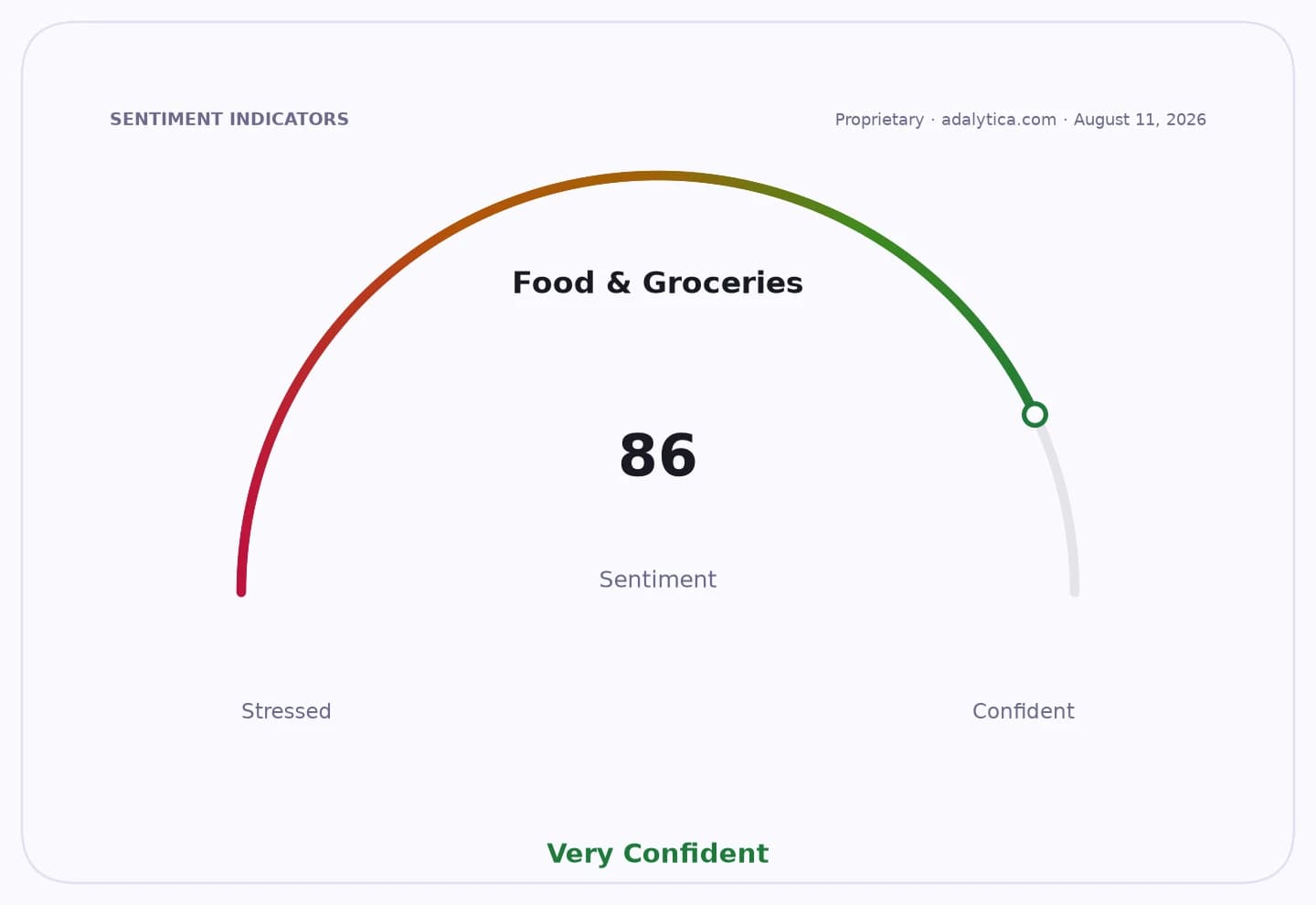
East Java’s rice inventory has climbed to 1.3 million tons, prompting Indonesia’s state logistics agency Bulog to prepare 269 additional warehouses as the region tries to manage a larger-than-normal crop flow and keep supplies from bottlenecking.
The buildup matters because rice is one of Indonesia’s most politically sensitive staples, and large stocks can quickly become a storage, distribution and price-management problem as well as a food-security buffer. For policymakers, the priority is not just how much rice is in the system, but whether it can be moved, stored and released without creating losses, quality deterioration or distortions in local markets.
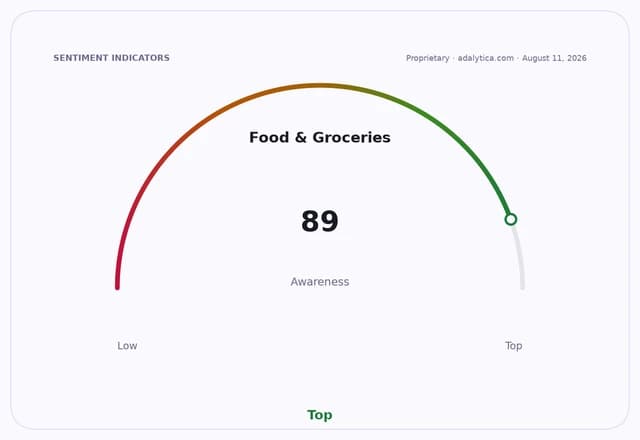
Bulog’s warehouse expansion suggests the agency is bracing for continued inflows and a need to absorb harvest output more efficiently. That is supportive of supply stability in the near term, particularly if the government wants to prevent sharp retail price swings. But it also raises operational questions: large stockpiles require capital, logistics and strict rotation, and they can expose the agency to higher handling costs and post-harvest risk if distribution lags.
For consumers, abundant rice stocks are usually a stabilizing force, especially in a market where food costs can influence inflation expectations and household spending. For farmers, however, the effect is more mixed. Strong public procurement and storage can provide an outlet for harvests, but heavy state inventories can also weigh on price upside if supply remains ample and release policy is aggressive.
The wider backdrop is a regional food system under pressure from climate volatility and supply-chain oversight. The rice market has been facing stress across Asia from weather disruptions and water shortages, making stock management more important as governments try to insulate domestic markets from external shocks. In that setting, East Java’s 1.3 million-ton stockpile looks less like a simple harvest update than a sign that Indonesia is leaning harder on state buffers to preserve food security.
For investors, the story matters most through inflation, consumer staples and policy risk. If Bulog’s storage expansion helps keep rice prices contained, that supports broader price stability and could ease pressure on purchasing power. If execution falters, the risks shift toward wastage, quality issues and renewed price volatility, all of which would force a policy response. The next key watchpoint is whether the added warehouse capacity can keep pace with incoming supply and whether distribution into deficit areas remains orderly.
| Entity | Gains | Losses |
|---|---|---|
| Consumers | ▲More stable rice prices | ▼Less benefit from price spikes |
| Bulog / Government | ▲Better stock control | ▼Higher logistics burden |
| Farmers | ▲Assured crop absorption | ▼Limited near-term price upside |
| Retailers / Traders | ▲Steadier supply flow | ▼Lower scarcity-driven margins |