Indonesia Tightens Coal DMO Oversight
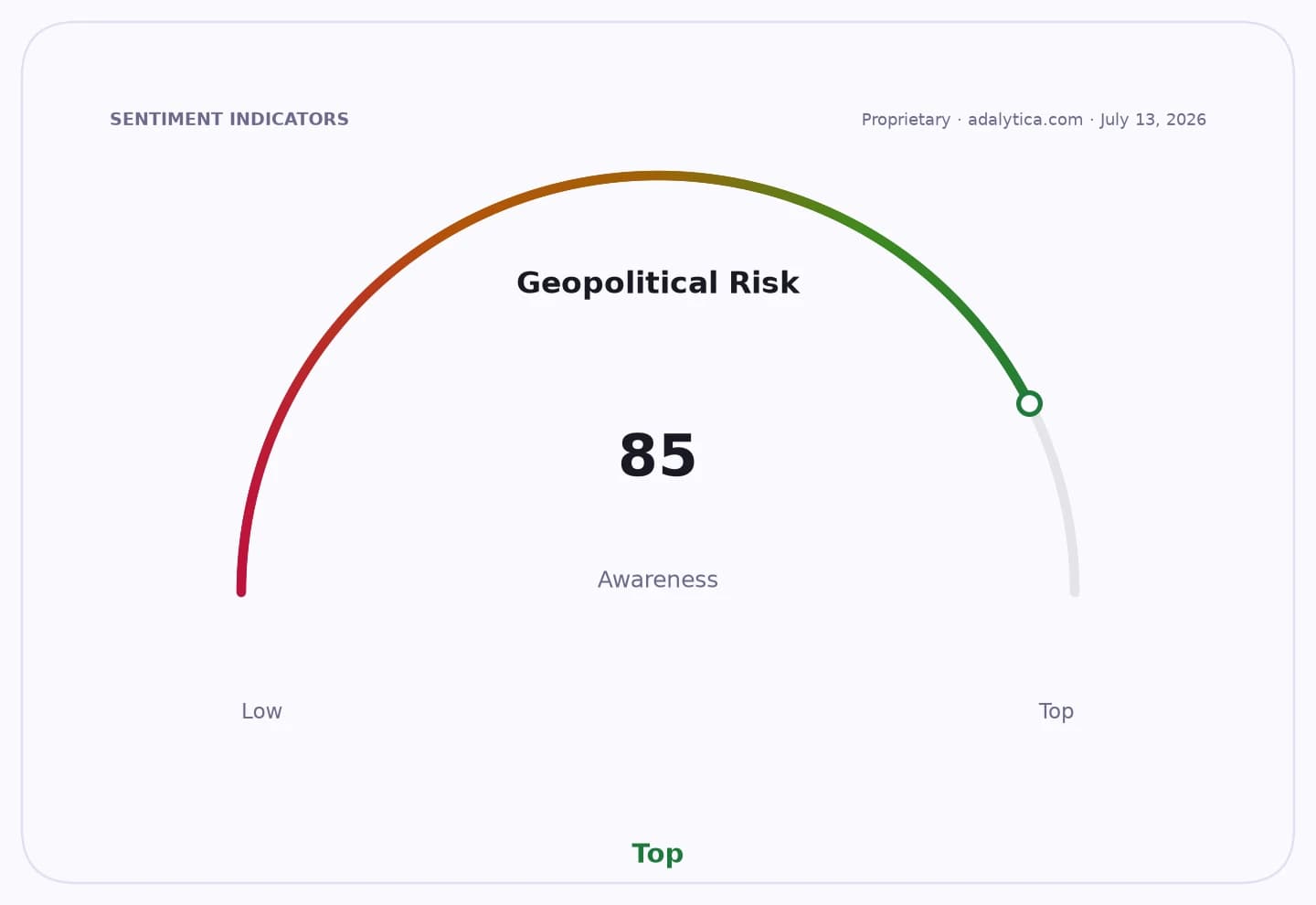
Indonesia is stepping up supervision of its domestic market obligation for coal just as state utility PLN is being pushed to sign supply contracts faster, a move that underscores Jakarta’s priority to keep power plants fed even as coal markets remain volatile.
The policy shift matters because the domestic market obligation, or DMO, remains the key tool Indonesia uses to divert coal from export channels into the local power system. Tightening oversight reduces the risk of under-delivery and spot-market disruptions for PLN, which sits at the center of the country’s electricity supply chain. For the government, the message is clear: energy security takes precedence over maximizing export flexibility.
For miners, the implications are mixed. On one hand, stronger enforcement can improve contract discipline and reduce the uncertainty that often surrounds domestic allocations. On the other, it can limit the ability of producers to chase higher-margin export sales if domestic obligations are not met early and clearly. That tension is especially relevant for listed Indonesian coal names such as Bukit Asam and Indo Tambangraya Megah, where investors are watching not just volumes but how much of production is tied up in regulated supply.
Market behavior suggests traders are weighing those competing effects. INDY has recovered from a sharp March selloff, with the stock recently trading around 43.44, still well below its 200-day moving average near 45.99. The 50-day average at 42.84 shows the shares have stabilized, but the move has not fully repaired the damage from earlier weakness. Technical indicators also point to a stock that is no longer deeply oversold, with RSI readings near 49 and a MACD line close to its signal, implying the market is waiting for clearer evidence on pricing power and contract visibility rather than chasing the sector aggressively.
The broader coal backdrop is also changing. Adalytica’s Coal Fear & Greed Index currently sits at 70, signaling a neutral but improving tone after recent swings, while its seven-day change shows a sharp rebound in market sentiment. That is consistent with a sector that is being driven less by pure commodity optimism and more by policy management, supply assurance and the reliability of offtake agreements.
For PLN, faster contracting could reduce the risk of last-minute supply bottlenecks and support more predictable fuel planning for coal-fired generation, which still anchors Indonesia’s baseload power. For miners, the immediate upside is clearer visibility on domestic volumes; the downside is less pricing freedom and tighter regulatory scrutiny. Investors will likely focus on whether stronger DMO supervision translates into more stable shipment execution or simply greater administrative pressure on producers already navigating thin margins and policy constraints.
The next catalyst is contract flow. If PLN accelerates long-term supply agreements and the ministry enforces compliance more consistently, the sector could see better volume certainty even without a strong price re-rating. If implementation is uneven, though, the policy could add friction without solving the supply bottlenecks it is meant to address.
| Entity | Gains | Losses |
|---|---|---|
| PLN | ▲More secure coal supply | ▼Less bargaining flexibility |
| Coal miners | ▲Clearer domestic demand visibility | ▼Tighter regulatory oversight |
| Indonesian power system | ▲Lower supply disruption risk | ▼Higher administrative burden |
| Export-oriented producers | ▲Stable policy signal | ▼Reduced export optionality |