Indonesia plans commodity exchange for palm oil, nickel
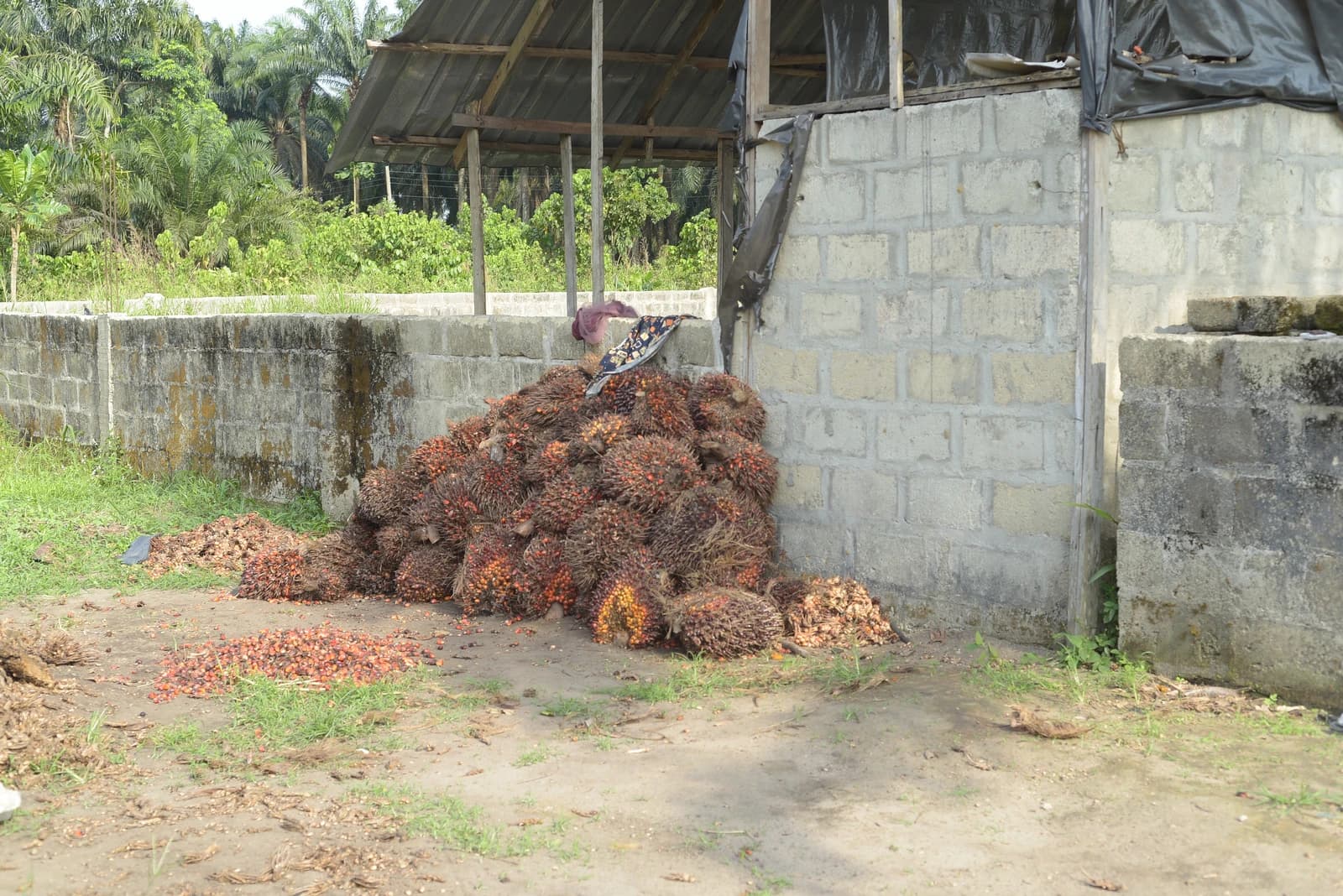
Indonesia is preparing to launch a mineral and strategic commodity exchange that could give the world’s biggest supplier of several raw materials more control over how those commodities are priced, and that matters for producers, buyers and investors far beyond Jakarta.
For years, Indonesian palm oil, nickel and coal have been largely priced through foreign markets and global benchmarks. A domestic exchange would not instantly replace those references, but it could start to shift bargaining power toward Indonesia by improving local price discovery, reducing dependence on overseas trading hubs and making the market more transparent. In a country where commodities are a major export engine, even a modest move toward domestic pricing has economic weight.
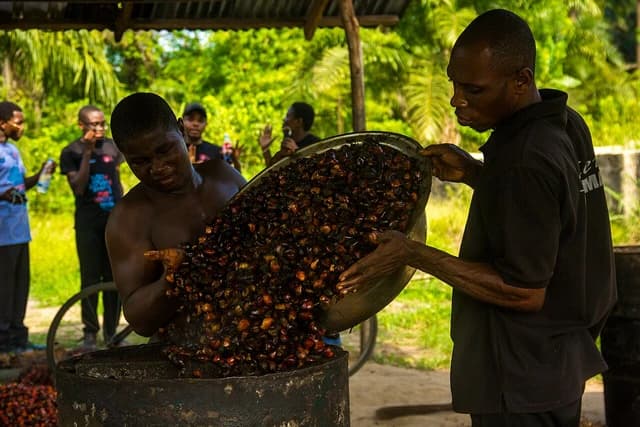
That is especially important because these goods sit at the heart of Indonesia’s industrial strategy. Palm oil remains a critical agricultural export, nickel is central to the battery and electric-vehicle supply chain, and coal still generates meaningful export revenue and domestic power supply. If the exchange gains traction, it could help the government and local producers capture more value at home rather than leaving pricing power in the hands of foreign venues and offshore intermediaries.
Investors should think about the ripple effects. Better local price discovery can improve margins for producers that are disciplined on costs and weaken the hand of traders that thrive on opaque pricing. It could also make Indonesia a more important reference point for Asian commodity flows, especially if the exchange eventually draws enough liquidity to matter. That does not mean instant revaluation, but it does create a long-term structural change worth watching.
The timing is notable too. Commodity markets remain volatile, with energy prices still sensitive to geopolitics and investor sentiment swinging sharply across coal, oil and other raw materials. In that kind of environment, a national exchange is not just administrative plumbing — it is a bid for pricing power. And pricing power is what turns a resource-rich country into a stronger market participant.
For long-term investors, the key question is whether this exchange becomes a real liquidity venue or just another policy headline. If Indonesia can attract participation from miners, plantations, utilities and traders, it could gradually improve transparency and reduce pricing slippage across its export complex. That would be a meaningful development for companies tied to palm oil, nickel and coal, and a reminder that in commodities, who sets the price often matters as much as who digs it up.
| Entity | Gains | Losses |
|---|---|---|
| Indonesian producers | ▲Better local price control | ▼Less foreign benchmark power |
| Foreign exchanges | ▲Trading volume today | ▼Pricing influence over time |
| Buyers/importers | ▲Clearer market access | ▼Less room to arbitrage opacity |
| Investors in Indonesian commodities | ▲More transparency | ▼Added execution risk |