Indonesia cooperatives program and rural growth bet
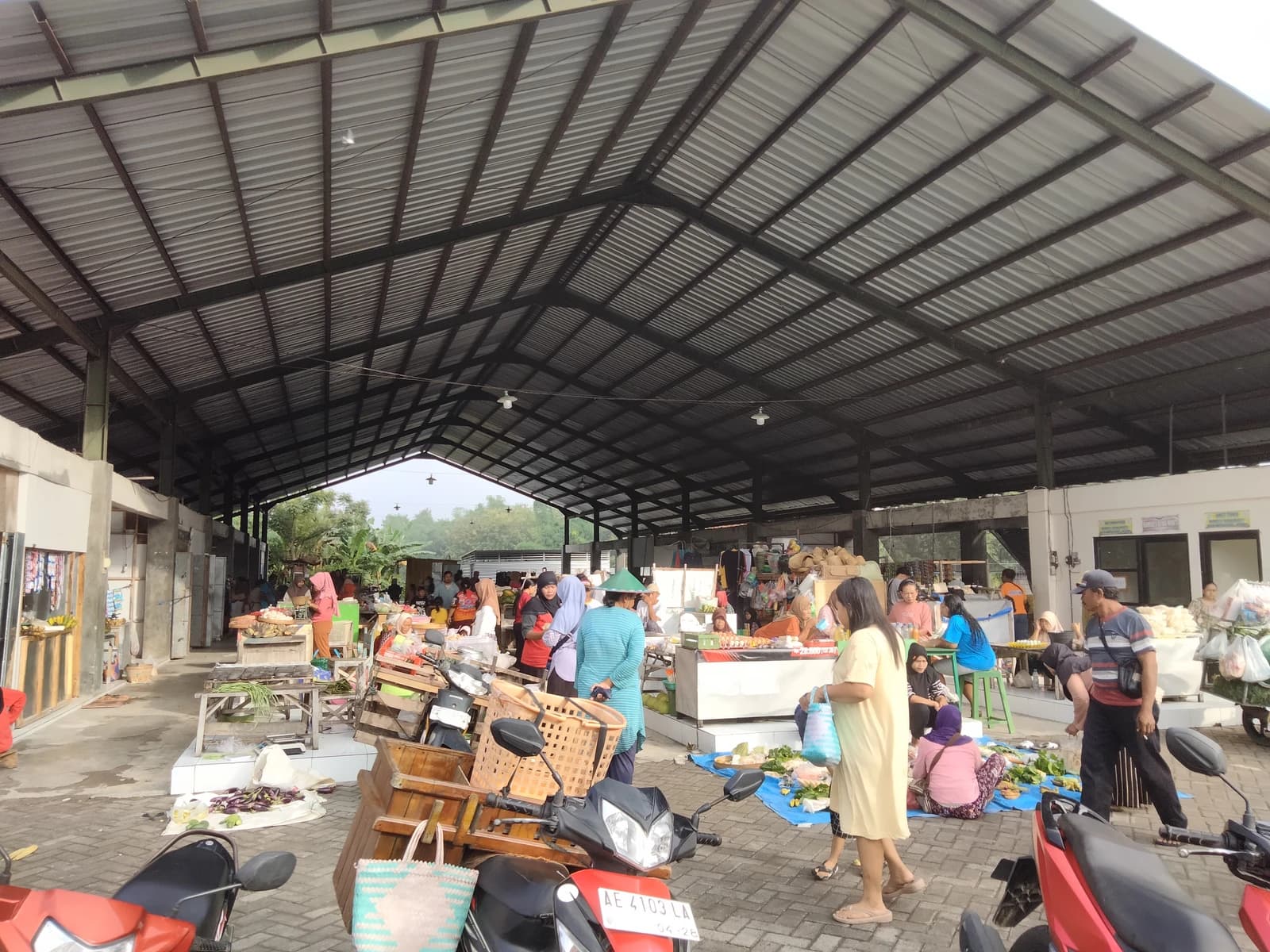
PPI’s support for President Prabowo Subianto’s Red and White Cooperative program underscores a bigger economic bet in Indonesia: that village-level cooperatives can become a channel for rural growth, food distribution and local job creation without adding too much pressure to prices.
That matters because the policy is being advanced at a time when inflation dynamics still look manageable but not trivial. The U.S. producer-price and consumer-price data in the context show prices remain elevated versus pre-pandemic levels, while industrial output is still expanding, a backdrop that makes policymakers sensitive to any program that could lift farmgate prices, logistics costs or consumer essentials. In Indonesia, where village incomes remain uneven and infrastructure gaps are still binding, a cooperative model is being positioned as a way to bring down transaction costs and improve market access rather than simply dispense subsidies.
The economic logic is straightforward. Multi-purpose village cooperatives can pool purchasing power for seeds, fertilizer and household goods, strengthen links between farmers and buyers, and provide a local distribution node for food and other essentials. If executed well, that can improve margins for rural producers and reduce waste in fragmented supply chains. If executed poorly, it risks becoming another state-backed channel vulnerable to leakage, low utilization and political patronage.
For investors, the question is whether the program supports consumption and rural credit growth more than it distorts pricing or crowds out private distributors. A successful rollout would be supportive for domestic-oriented sectors tied to consumer staples, agri-inputs, logistics and rural financing. It could also reinforce sentiment around Indonesian assets by signaling policy attention on inclusive growth, even as broader emerging-market risk appetite remains sensitive to the U.S. dollar and global rate expectations.
The trade-off is that village-economy initiatives tend to work only when they are paired with infrastructure, governance and clear commercial incentives. Recent efforts cited in the context — from road repairs and flood relief to food-security coordination — point to the same conclusion: the cooperative model will only strengthen village economies if it lowers frictions in transport, storage and sales. Without that, it risks adding another layer of administration to an already difficult rural economy.
What markets will watch next is whether the program is scaled with measurable financing, procurement rules and private-sector participation, or whether it remains a political umbrella for a set of disconnected local initiatives. The first path could deepen Indonesia’s rural demand base; the second would likely limit the macro impact and keep the investment case focused on rhetoric rather than earnings.
| Entity | Gains | Losses |
|---|---|---|
| Rural villagers | ▲Better market access | ▼Poorly run cooperatives |
| Indonesian government | ▲Political support | ▼Credibility if rollout stumbles |
| Consumer staples and agri-input firms | ▲Higher rural demand | ▼Price controls or leakage |
| Private distributors | ▲Stable formal channels if partnered | ▼Margins if displaced by state nodes |