Indonesia food prices rise as chilies hit 90,200 rupiah
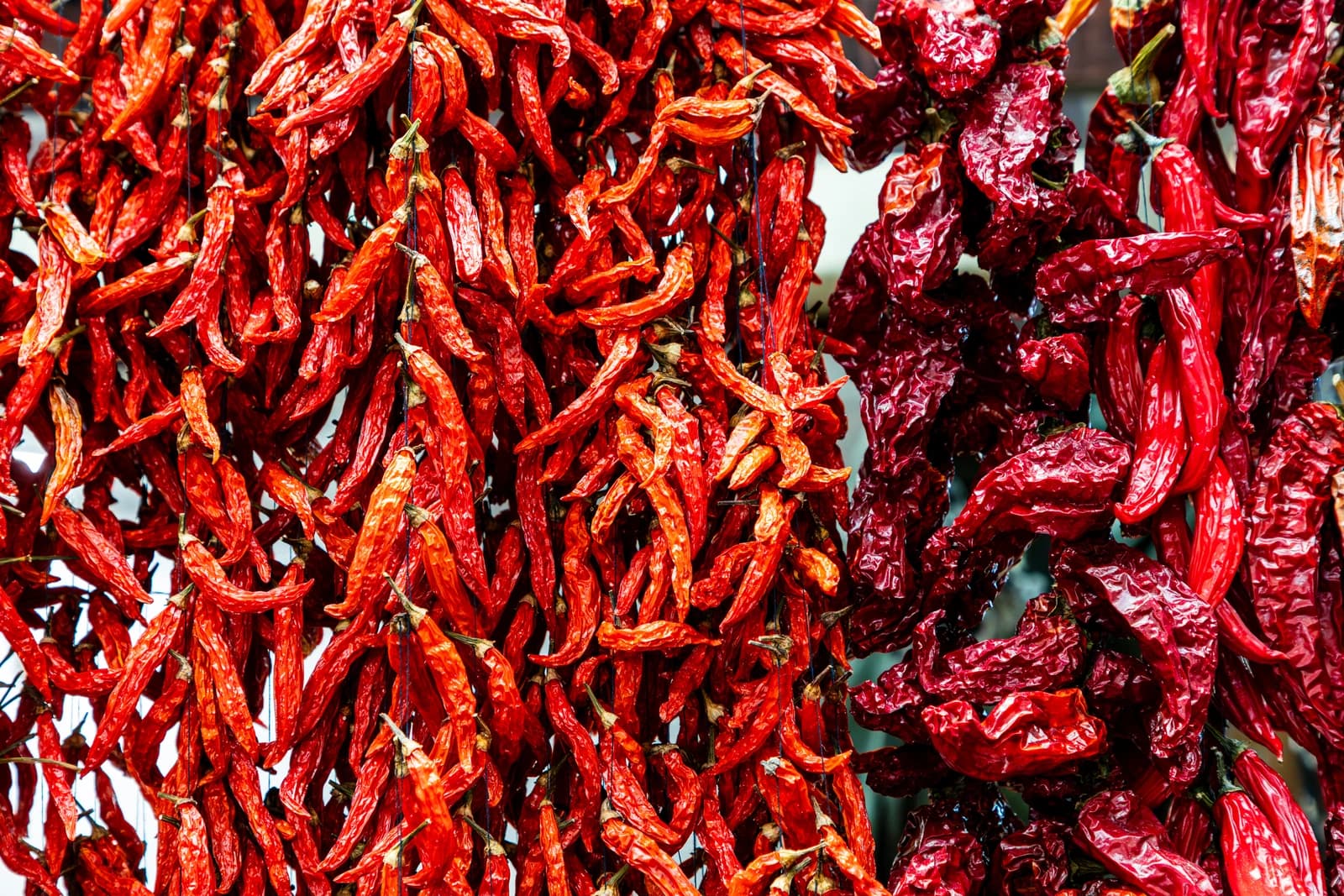
Food prices rose across most staples in Indonesia on Independence Day, with red bird’s eye chilies climbing to 90,200 rupiah per kilogram, adding pressure to household budgets at a time when global food inflation is already elevated.
The spike matters because food carries a heavy weight in consumer spending, especially for lower-income households, and sharp moves in fresh produce can quickly feed into headline inflation. That makes the latest move economically significant even if broader inflation gauges are not yet showing a full pass-through.
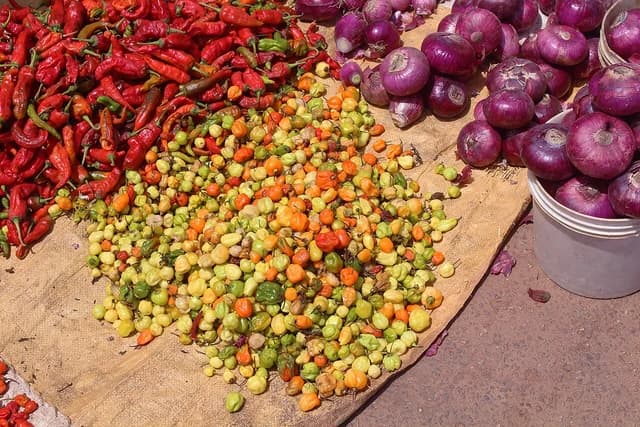
The jump in chilies underscores how vulnerable Indonesia’s food market remains to supply shocks, weather and distribution bottlenecks. Similar pressures are being felt globally: international food prices recently reached a three-year high, driven by conflict-related disruptions and adverse weather, including concern over a looming Super El Niño.
For investors, the near-term implication is renewed focus on inflation-sensitive sectors and consumer names with limited pricing power. Higher food costs can squeeze margins for retailers and food producers while supporting firms that can pass through prices, though sustained increases also risk weakening demand.
Technical indicators on consumer staples and grocery-linked U.S. equities show that the market is already sensitive to inflation and food-cost volatility. Costco shares are trading above both the 50-day and 200-day moving averages, while Walmart is recovering but remains below its 200-day average, reflecting mixed investor positioning across defensive retail.
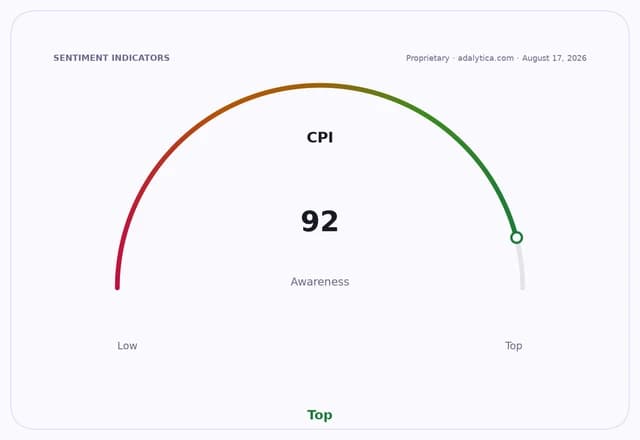
Adalytica’s CPI sentiment snapshot shows Extreme Greed, suggesting markets are not pricing in much inflation stress yet, which can leave room for volatility if food prices keep rising. The next catalyst is the release of the latest consumer price data and any government response to food supply tightness.
| Entity | Gains | Losses |
|---|---|---|
| Farmers and traders with inventory | ▲Higher selling prices | ▼Consumers facing pricier food |
| Retailers able to pass through costs | ▲Steadier margins | ▼Retailers with weak pricing power |
| Inflation-protected or defensive stocks | ▲Safe-haven demand | ▼Rate-sensitive and margin-sensitive names |
| Indonesian households | ▲None | ▼Bigger grocery bills |