Indonesia Food Prices Stay Mixed, Inflation Pressures Persist
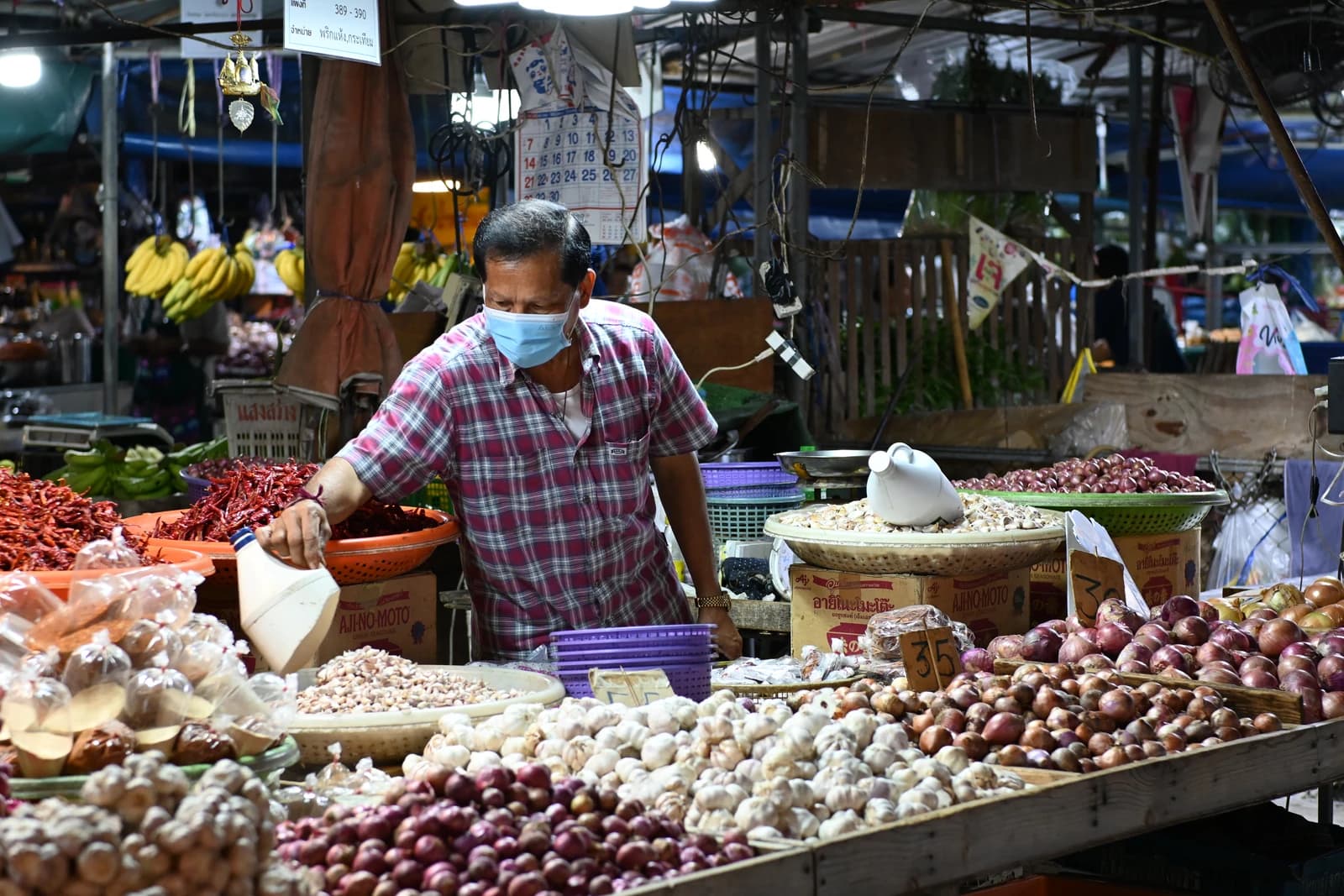
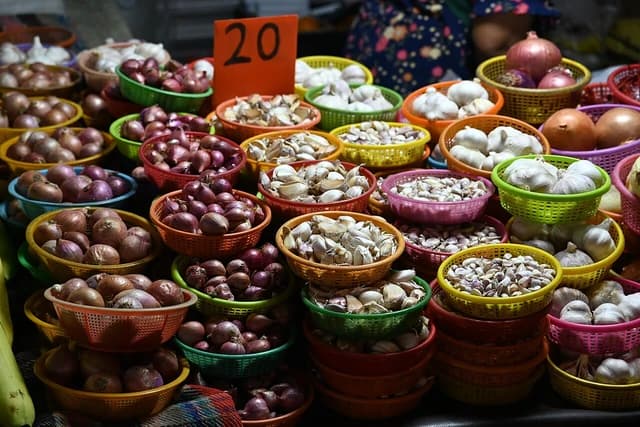
Indonesia’s food market is sending a mixed inflation signal: red onion prices have eased to IDR 46,650 a kilogram, while chicken remains elevated at IDR 37,000, reinforcing the strain on consumers even as some staples soften.
That split matters because food is still the most politically sensitive component of household inflation in Indonesia, and volatile protein prices can quickly feed into broader expectations. When vegetables cool but meat and eggs stay expensive, the relief at the market stall is limited, especially for lower-income families that spend a large share of income on daily food.
The latest pricing comes against a backdrop of persistent cost pressure in the wider agricultural chain. U.S. producer prices have risen to 292.5 in May from 275.98 in March, while consumer prices climbed to 333.98, with both series still pointing higher into June. For Indonesia, that global inflation backdrop intersects with weaker currency conditions and elevated energy costs, raising import and transport expenses for food distributors and processors.
The domestic picture is more uneven. News flow from the food sector points to sharp declines in egg prices during holiday periods, hitting poultry farmers in places such as Madiun and East Lampung and raising bankruptcy risks. At the same time, onion and chili prices have eased, showing that supply gluts can quickly appear in perishable crops even as protein markets stay tight. The result is a fragmented food basket rather than a broad-based easing.
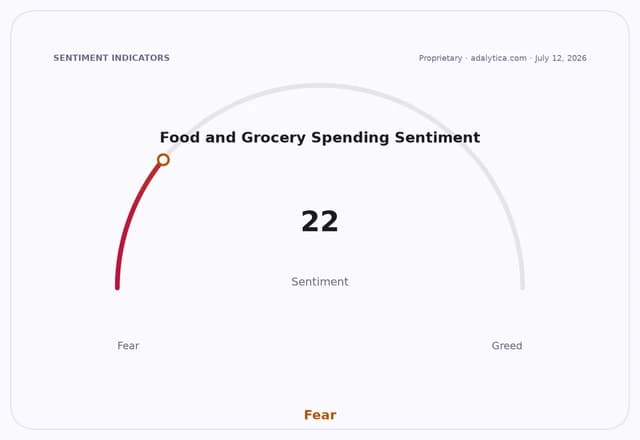
For investors, that divergence matters for several reasons. It argues for continued caution on Indonesian consumer inflation, which could keep pressure on policy makers balancing price stability and growth. It also highlights margin risk for poultry producers and food distributors exposed to input-cost swings, while food retailers and restaurant operators may face demand volatility if consumers keep trading down or cutting volumes.
In U.S. listed food names, the market has already begun to reflect that stress. Red Robin Gourmet Burgers and B&G Foods have both seen volatile trading, with BGS still below its 200-day moving average and Red Robin’s recent rally leaving it vulnerable to sharp swings. Those moves are not directly tied to Indonesian prices, but they underscore a broader investor preference for companies with cleaner cost control and more resilient traffic.
The bigger narrative is that Indonesia’s food inflation story is no longer about one commodity or one supply shock. It is about a fragile balance between easing vegetables and stubborn proteins, a mix that can keep headline food anxiety high even when some price tags come down. Unless poultry costs and broader logistics pressures moderate, households are likely to keep feeling squeezed, and food producers will remain exposed to abrupt swings in earnings and sentiment.
| Entity | Gains | Losses |
|---|---|---|
| Households | ▲Cheaper onions | ▼Expensive chicken |
| Poultry farmers | ▲None | ▼Margin pressure |
| Food retailers | ▲Mixed volumes | ▼Demand caution |
| Inflation hawks | ▲Policy case for vigilance | ▼No quick relief |