Indonesia Food Supply Key to Inflation Through 2026
Food supply and distribution will be the main lever for keeping inflation in check and protecting consumer spending through the end of 2026, according to Indonesian economists, underscoring how quickly prices of basic staples can feed into broader economic momentum.
Esther Sri Astuti, executive director of the Institute for Development of Economics and Finance, said the government and Bank Indonesia must secure supplies and keep logistics flowing to prevent shortages from pushing up prices. Her comments reflect a broader policy reality in emerging markets: when food inflation is driven by supply bottlenecks rather than demand, interest rates alone do little to bring relief.
The stakes are economic as much as political. In Indonesia, where food such as rice, chicken and chilies carries outsized weight in household budgets, even modest disruptions in distribution can raise headline inflation and erode real incomes. That in turn can weaken private consumption, the main engine of growth, and force policymakers to rely more heavily on market operations, subsidised transport and social assistance to cushion vulnerable households.
The emphasis on supply also highlights why central banks and governments often coordinate closely when food prices rise. If inventories are adequate but goods cannot move efficiently from farms and ports to urban markets, price pressures can persist even without a broad-based demand surge. Economists say that makes coordination between local governments, the central bank and agencies overseeing food stockpiles essential.
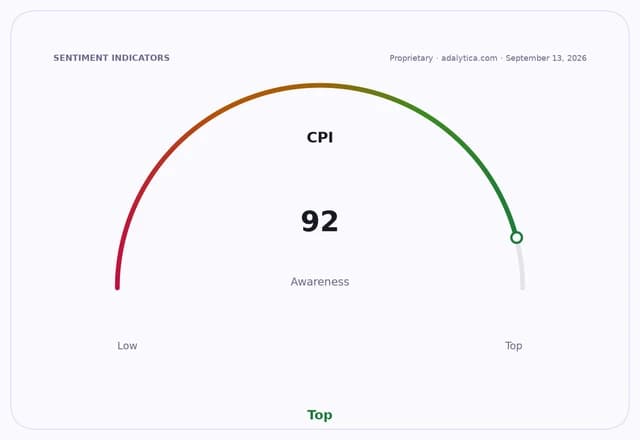
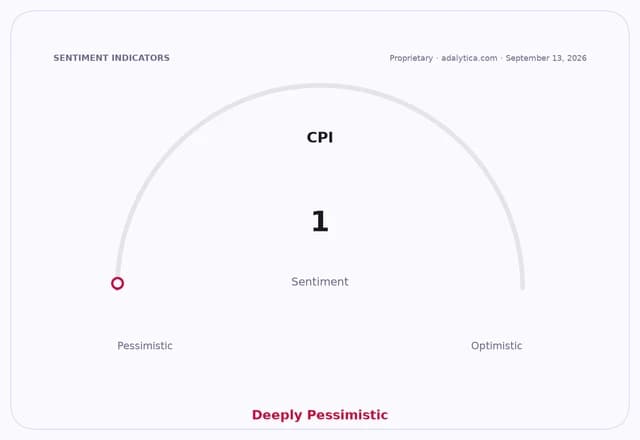
Market implications extend beyond the consumer basket. Stable food prices tend to support purchasing power, retail volumes and earnings visibility for consumer-facing companies, while persistent inflation can pressure margins, complicate wage negotiations and keep bond yields elevated. The current data backdrop suggests the risk is not a runaway demand boom but a fragile supply chain: U.S. consumer and producer price benchmarks remain far above pre-pandemic levels, while investor sentiment around inflation protection remains cautious.
For investors, the message is that food inflation remains a policy variable with direct effects on rates, consumption and asset allocation. If supply and distribution improve, it should help anchor inflation expectations and reduce pressure on monetary policy. If not, households bear the cost first, but the impact can spread quickly into broader macro stability.
The next test will be whether Indonesian authorities can keep key staples moving into markets at stable prices through year-end and into 2026, when even short-lived disruptions could decide whether inflation stays contained or becomes a larger drag on growth.
| Entity | Gains | Losses |
|---|---|---|
| Consumers | ▲stable food prices | ▼purchasing power erosion |
| Bank Indonesia | ▲easier inflation control | ▼pressure to tighten policy |
| Food retailers and distributors | ▲smoother supply chains | ▼margin stress from disruptions |
| Vulnerable households | ▲targeted aid and subsidies | ▼higher exposure to price spikes |