Indonesia’s inflation rate at 3.34% is a reminder that even when price growth looks manageable, the mix behind it can still shape policy, currencies and consumer demand in ways investors should not ignore.
Indonesia Inflation Supports Patient Policy
What matters most here is not the headline number by itself, but the message from Airlangga and the home affairs minister about what is driving it. When inflation stays in the low-single digits, it suggests the economy is not in a classic overheating phase. That is good news for households and for policymakers trying to keep growth steady. But it also means investors need to watch which costs are easing and which are still climbing, because those differences determine whether inflation stays contained or flares back up.
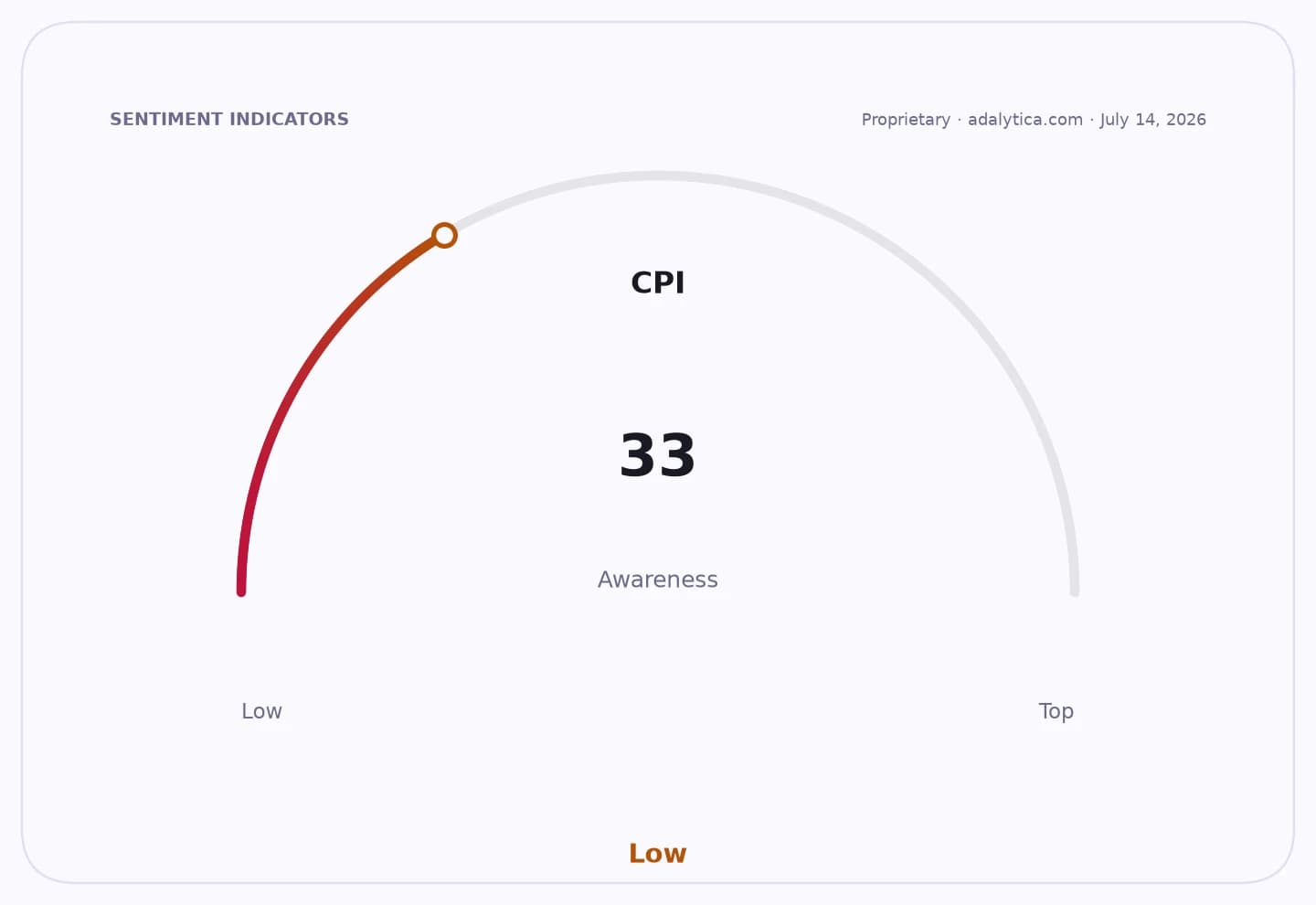
Sentiment IndicatorsⓘProprietary · adalytica.com · July 14, 2026
This is a snapshot — live sentiment, awareness and momentum for 130+ markets update continuously in the dashboard.Open AlphaPulse
The broader context points to a world where commodity prices and local price controls can quickly shift the inflation outlook. Brent crude has moved sharply in recent weeks, while gold remains elevated, showing that global risk appetite and inflation hedging are still in play. For an import-dependent economy, energy swings matter because they can filter into transport costs, food prices and ultimately consumer spending. Even modest changes in those inputs can alter the path for rates, the rupiah and the earnings outlook for domestic companies.
That is why this kind of inflation report matters to investors. Lower inflation can support consumer confidence, help real incomes, and give the central bank more room to stay patient. But if the drivers are temporary — say, food or fuel — then the benefit may not last. Investors tend to reward stable, durable disinflation, not a one-off cooling that reverses the next month.
The long-term takeaway is straightforward: inflation at 3.34% is not a crisis, but it is still a key signal for anyone holding Indonesian assets. If price pressures stay contained, it supports banks, retailers and other domestic-facing businesses. If energy or food costs reaccelerate, the market will quickly shift back to thinking about tighter policy and weaker spending power. For investors with a multi-year horizon, this is worth watching, because inflation is one of the few forces that can quietly reshape returns across an entire market.
| Entity | Gains | Losses |
|---|---|---|
| Indonesian consumers | ▲steadier purchasing power | ▼higher living costs |
| Bank Indonesia | ▲more policy flexibility | ▼pressure to tighten |
| Domestic retailers | ▲healthier demand | ▼margin squeeze from costs |
| Energy importers | ▲lower inflation pass-through | ▼higher fuel bills |