Indonesia Manufacturing PMI Falls to 49.8
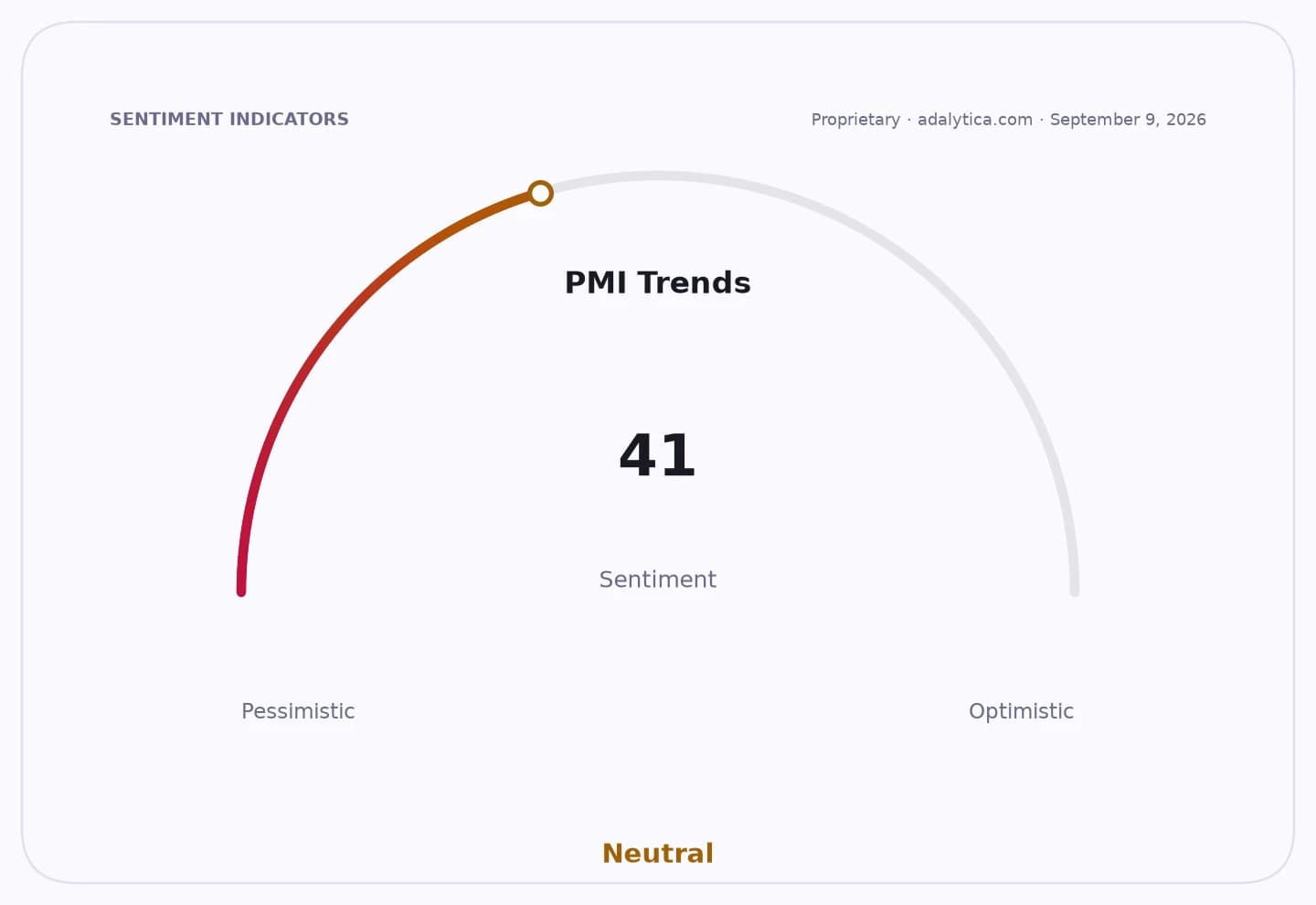
Indonesia’s factory sector has slipped back into contraction, with the manufacturing purchasing managers’ index falling to 49.8, a reminder that the country’s growth story still rests heavily on domestic demand and public spending rather than a broad industrial upswing.
The reading matters because it comes as the economy is still expanding at a solid pace, with second-quarter growth at 5.29% year-on-year, suggesting the headline GDP number is being supported by investment, government expenditure and household consumption even as industrial momentum weakens. A PMI below 50 indicates manufacturing activity is shrinking, and a move back into contraction raises questions about the durability of that expansion if external conditions remain volatile.
OJK, Indonesia’s financial regulator, said overall financial-system stability remains intact, but the manufacturing setback underscores the pressure higher global inflation and geopolitical risks can still exert on the economy. Friderica Widyasari Dewi pointed to disruption in energy shipping routes linked to the Iran conflict and the closure of the Strait of Hormuz, both of which have kept oil and commodity prices volatile. That matters for Indonesia because imported inflation can filter through to production costs, margins and eventually consumer prices.
The regulator also cited August inflation at 3.19% year-on-year, which is not alarming on its own but becomes more sensitive if manufacturing stays weak while energy and food costs remain elevated. For policymakers, that combination complicates the balancing act between supporting growth and avoiding a renewed inflation flare-up. For manufacturers, it can mean softer orders, tighter pricing power and more cautious capex decisions.
For investors, the PMI dip is a warning that the recovery in Indonesia’s cyclicals may be uneven. Banks and domestic-demand names can still lean on a relatively resilient consumer base, but industrials, exporters and supply-chain plays are more exposed to weaker factory activity and cost pressures. The fact that overall financial stability is still described as sound may limit near-term downside for local assets, yet the macro mix is not one that argues for a strong re-rating in growth-sensitive names.
That helps explain the cross-current in Indonesian and emerging-market exposures. U.S.-listed Indonesia ETF EIDO has recovered from a sharp midyear selloff and was recently trading above both its 50-day and 200-day averages, but the broader signal from the PMI is that the domestic industrial backdrop is still fragile. A sustained improvement would likely require firmer global demand, calmer commodity markets and a clearer pickup in new orders, none of which is guaranteed.
The narrative now is not that Indonesia’s economy is stalling, but that its expansion is increasingly reliant on services and demand-side support while manufacturing remains vulnerable to global shocks. Investors will be watching whether the next PMI reading confirms a temporary soft patch or marks the start of a longer period of industrial weakness.
| Entity | Gains | Losses |
|---|---|---|
| Domestic consumers | ▲Supported by steady growth | ▼Exposed to higher imported prices |
| Banks and financials | ▲Stability preserved | ▼Credit risk if factories weaken |
| Manufacturers | ▲None | ▼Softer orders and margins |
| Energy exporters | ▲Higher commodity prices | ▼Importers facing cost pressure |