Indonesia Manufacturing PMI Falls to 49.8
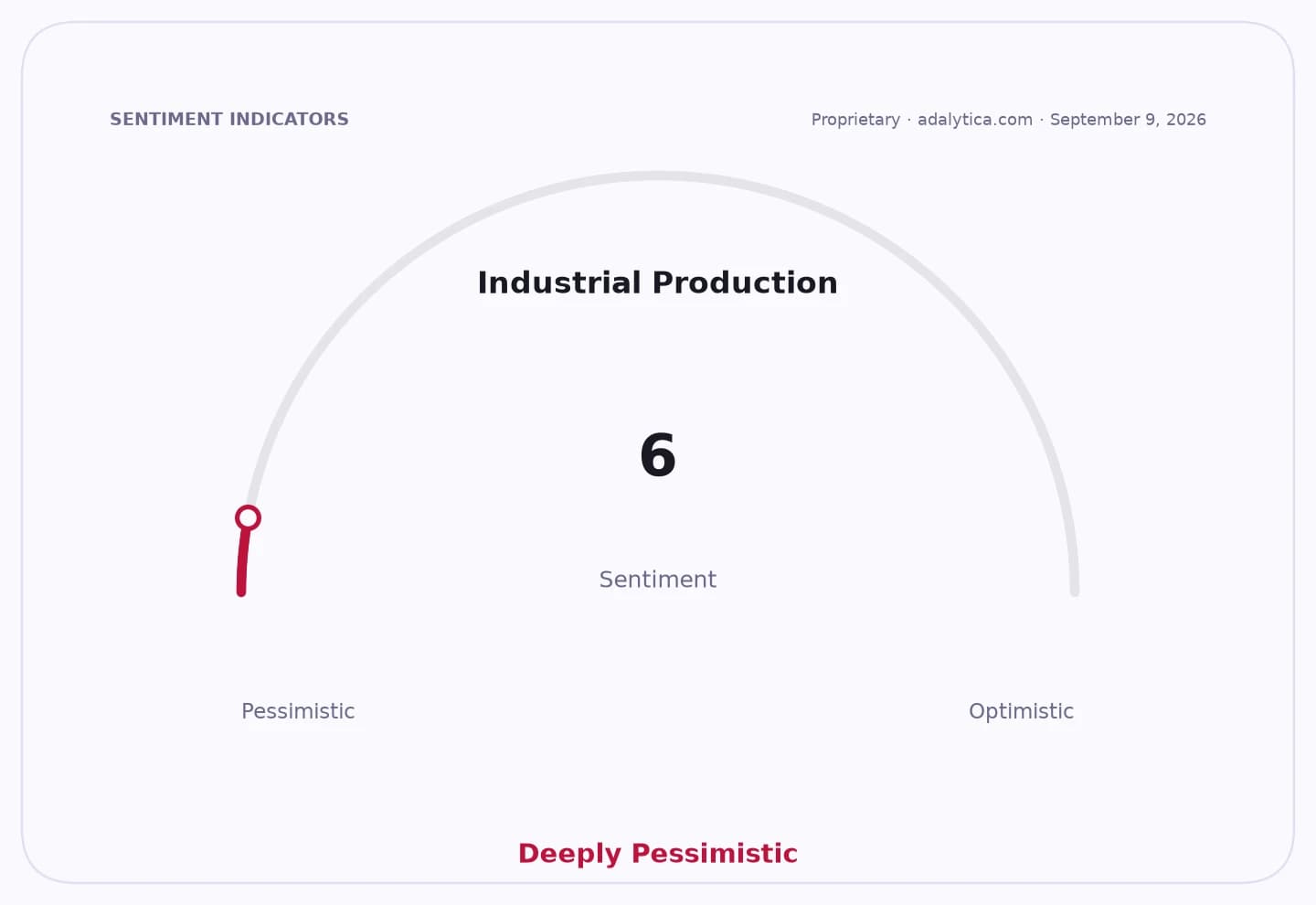
Indonesia’s factory sector has slipped back into contraction, underscoring a fragile recovery in Asia’s largest economy even as headline growth and financial stability remain intact.
OJK said manufacturing activity weakened to a Purchasing Managers’ Index of 49.8, below the 50-point threshold that separates expansion from decline, while August inflation stood at 3.19% year on year. The reading matters because industry is one of the clearest real-time gauges of domestic demand, export orders and corporate hiring, and a sub-50 PMI suggests momentum is fading just as policymakers are trying to keep growth broad-based.
The softer factory pulse comes against a mixed macro backdrop. OJK said Indonesia’s economy still expanded 5.29% in the second quarter, supported by investment, government spending and resilient household consumption. But a renewed manufacturing contraction suggests that strength is not yet evenly distributed across the economy, with goods producers likely feeling the strain from weaker external demand, still-elevated financing costs and cautious inventory management.
For investors, the PMI print is a warning that earnings quality may diverge across sectors. Consumer and infrastructure names tied to domestic spending may continue to outperform cyclical manufacturers if household demand holds up, while export-oriented industrials, metals and basic materials could face margin pressure if orders soften further. The reading also reinforces the case for selective exposure to banks and consumer lenders that benefit from a still-growing economy, versus more rate-sensitive or commodity-linked manufacturers.
OJK tried to reassure markets that the financial system remains stable, but the industrial data point to a more complicated story beneath the surface: growth is holding, yet the engine that typically converts demand into jobs and investment is sputtering again. That leaves policymakers watching whether inflation, geopolitics and commodity volatility bleed into production costs, or whether the second-half data can restore factory momentum.
| Entity | Gains | Losses |
|---|---|---|
| Domestic consumers | ▲Stable spending power | ▼None from slower factories |
| Banks and lenders | ▲Resilient credit demand | ▼Weaker industrial loan growth |
| Manufacturers | ▲None | ▼Softer orders and margins |
| Exporters/importers | ▲Importers gain from weaker demand | ▼Exporters face softer global orders |