Indonesia 2027 minimum wage formula awaits labor bill
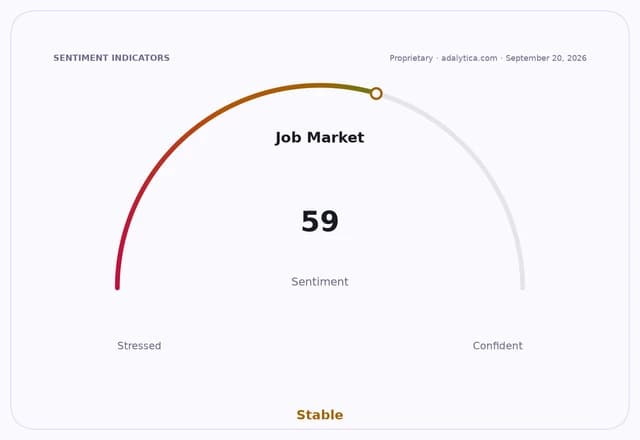
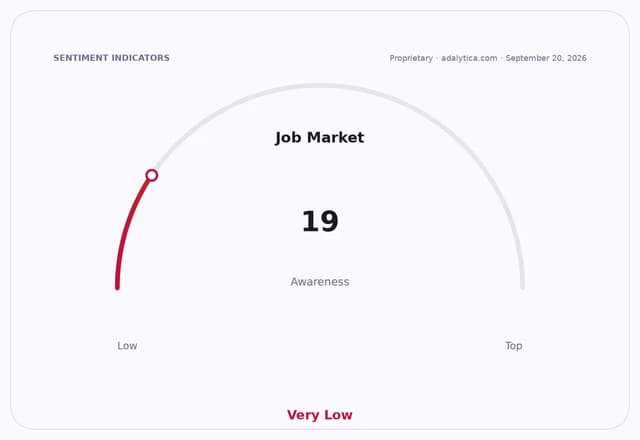
Indonesia’s labor unions have pressed for a 2027 minimum-wage increase of as much as 9.5%, but the government says the size of any adjustment will not be settled until lawmakers finish a new labor-protection bill that could reset the formula entirely.
That makes the wage debate more than a routine annual bargaining round. For workers, a larger uplift would help preserve purchasing power after years of elevated living costs. For employers, especially labor-intensive manufacturers and retailers, it would feed directly into payroll expenses at a time when productivity gains remain uneven and domestic demand is still fragile.
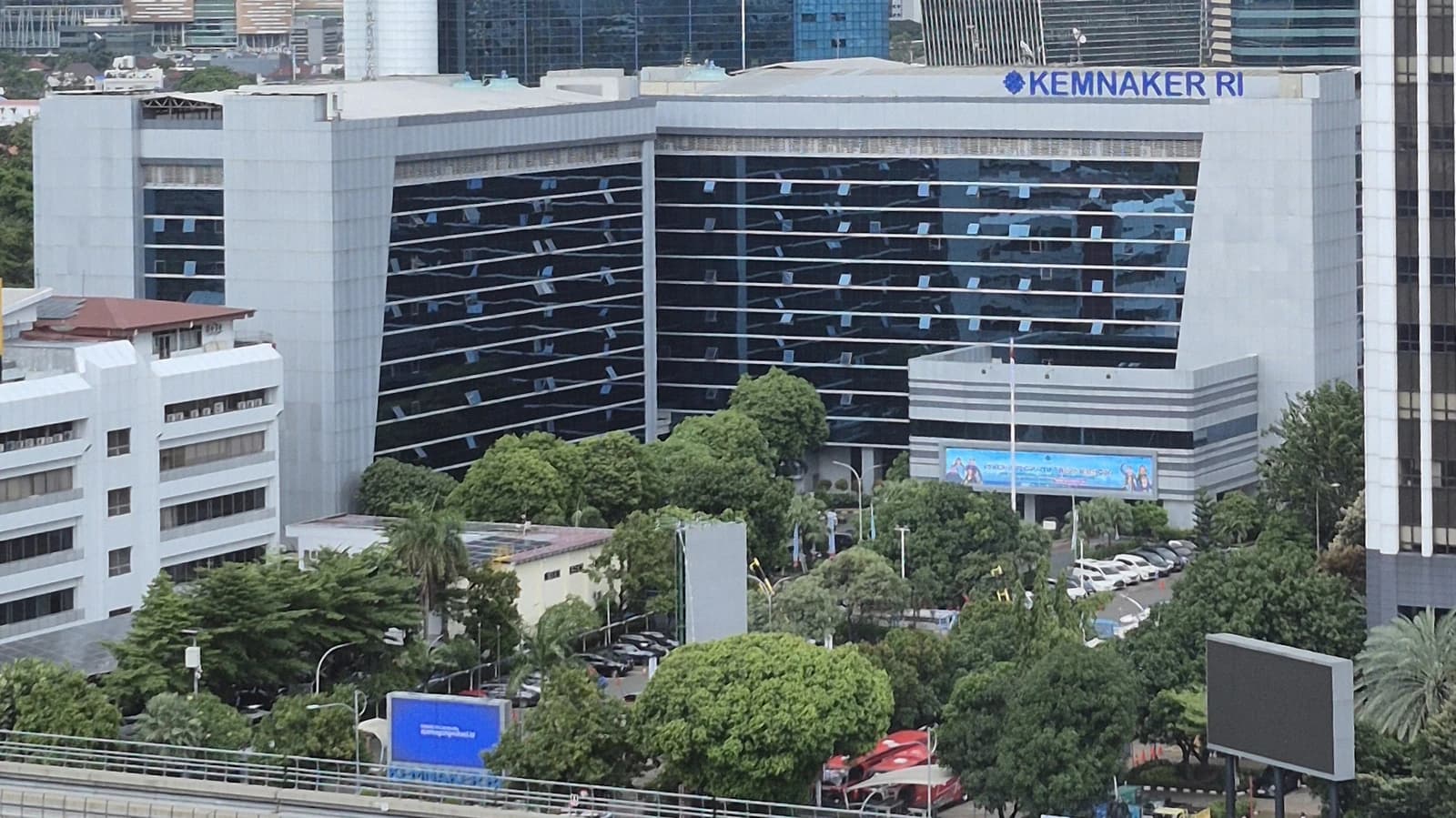
Manpower Minister Yassierli said the government has not yet discussed the 2027 formula and is focused on the RUU Pelindungan Ketenagakerjaan, or labor-protection bill, now moving through parliament. He said the administration would take in input from both unions and industry before deciding how minimum wages should be set.
“Formulasi nanti tergantung dari hasil yang tertulis pada RUU Pelindungan ketenagakerjaan,” Yassierli said, indicating the bill could become the benchmark for how the government calculates future increases and how it reconciles wage-setting rules with existing regulation.
The push comes from KSPI and the Partai Buruh, which are proposing a range of 7.5% to 9.5% for both provincial minimum wages and district and city minimum wages in 2027. Their argument is straightforward: wage increases should at least reflect local inflation and economic growth, rather than a single national figure that may not match conditions on the ground.
That matters economically because minimum wage policy in Indonesia is not just a labor issue; it is a macro variable. A higher floor can support household consumption, which is a key growth driver in Southeast Asia’s largest economy. But if wage growth runs ahead of productivity, it risks squeezing corporate margins, prompting slower hiring, and lifting prices in sectors with limited ability to absorb higher labor costs.
The government’s timing also matters. The labor-protection bill was submitted to parliament on Sept. 14, 2026, after being approved as a DPR initiative in August and included in the 2025-2029 legislative agenda. Until that framework is settled, the labor ministry is effectively signaling that the 2027 wage formula remains open-ended.
Investors will read that as a policy-risk event for consumer and industrial equities with large domestic workforces. Higher minimum wages can be a tailwind for consumption-sensitive names if real incomes improve, but they are a cost headwind for employers with thin margins, including textiles, food processing, retail and logistics. The eventual formula will also matter for inflation expectations and for Bank Indonesia’s view of whether wage growth could add to price pressures.
The immediate market implication is less about a single percentage point than about rule-making. If the new law embeds a more generous or more automatic wage-setting mechanism, labor costs could rise more predictably over time. If the government keeps more discretion, businesses may get relief on costs but unions are likely to keep pushing for larger annual increases.
For now, the most important takeaway is that the 2027 wage debate has moved from a demand by labor to a broader policy discussion inside government. That shift raises the stakes for both workers and companies, because the final formula could determine whether Indonesia prioritizes household income support or corporate cost discipline in the next wage cycle.
| Entity | Gains | Losses |
|---|---|---|
| Workers / unions | ▲Higher take-home pay | ▼If wage formula stays restrained |
| Employers / manufacturers | ▲Policy clarity from new law | ▼Higher payroll and margin pressure |
| Government / DPR | ▲Chance to reset wage rules | ▼Political pressure from both sides |
| Consumers / retail demand | ▲Stronger spending power | ▼Higher prices if costs pass through |