Foreign flows into Indonesian equities are poised to swing again next week as MSCI prepares its November review, putting the country’s market reforms and stock liquidity under fresh scrutiny.
Indonesia MSCI review puts foreign flows in focus

The immediate economic importance is less about the index announcement itself than about what it means for capital access. MSCI changes can redirect passive and active fund flows across emerging markets, and Indonesia has already been under pressure: foreign investors sold a net Rp10.24 trillion in October after a Rp1.19 trillion net buy in August. That reversal matters for pricing, turnover and the cost of capital, particularly for large-cap names that sit in global benchmark portfolios.
Sentiment Indicators
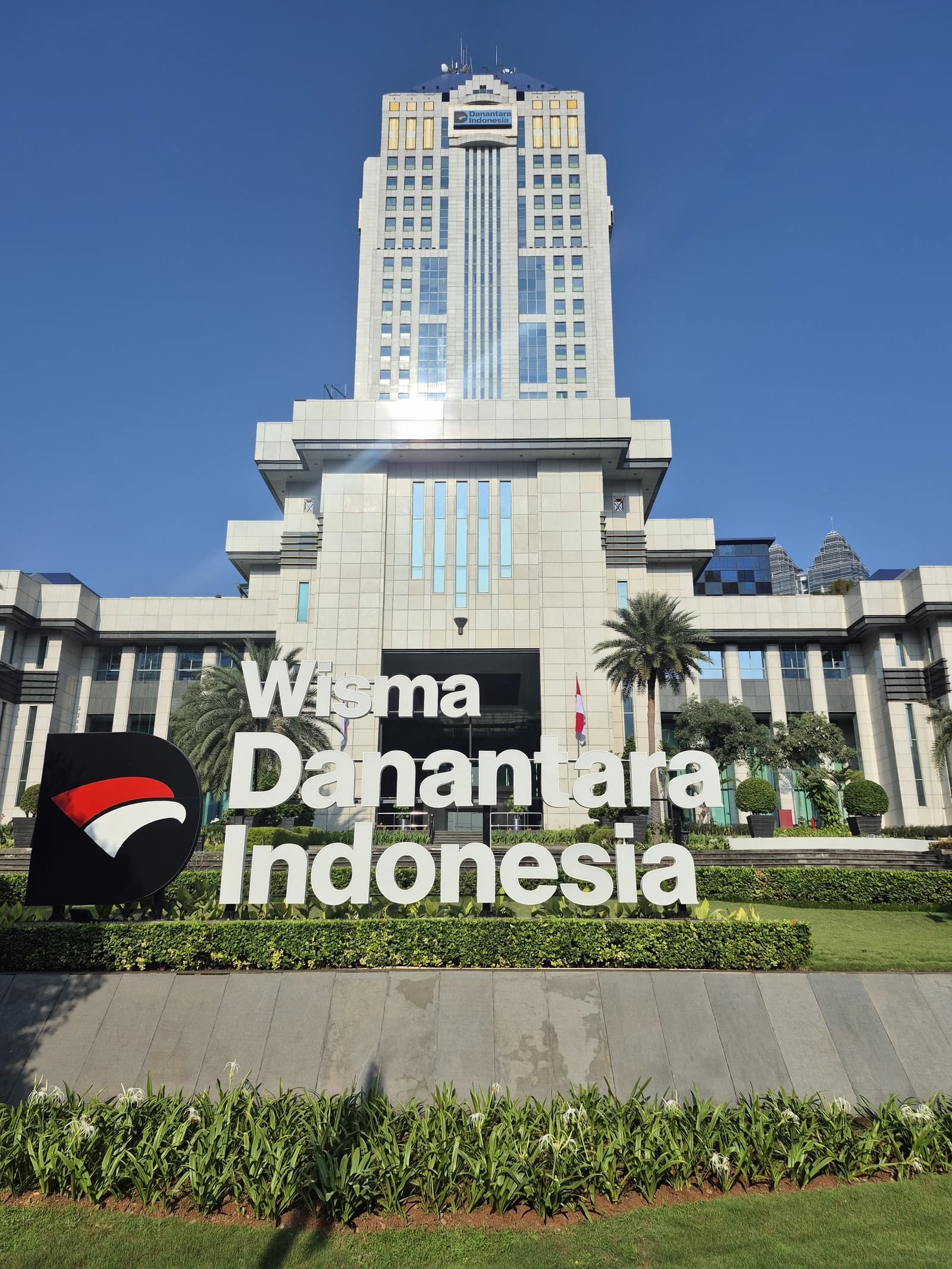
BEI chief Jeffrey said the exchange is focusing on three issues ahead of the review: transparency, liquidity and surveillance. On transparency, he said recent disclosures for shareholders with stakes above 1% now include information on affiliates, a change aimed at improving market quality and reducing informational gaps that foreign investors typically penalize. On liquidity, he said reforms are under way, while surveillance remains a priority, though he declined to give details.
The market’s reaction shows why the review matters. Indonesia’s benchmark has been trying to hold up even as foreign investors trimmed exposure, and the broader MSCI decision is likely to influence whether overseas funds keep paring positions or return after the announcement. At the same time, the rupiah and domestic liquidity conditions suggest the market is not in stress, with bid-ask spreads still around 1.2%, but that stability could be tested if MSCI’s outcome disappoints.
For investors, the key question is whether Indonesia keeps or improves its place in global index portfolios. A favorable outcome would support foreign inflows, help top-weighted stocks and improve sentiment toward the market’s governance trajectory. A weaker result would raise the risk of further outflows and pressure valuations, especially in names heavily owned by global funds.
The next catalyst is the MSCI decision itself, due on Nov. 11 CET, with the market now looking less for a one-day trade than for whether Indonesia’s reform push is strong enough to keep foreign capital anchored.
| Entity | Gains | Losses |
|---|---|---|
| BEI / Indonesian market regulators | ▲Credibility from reforms | ▼Pressure if MSCI downgrades |
| Foreign institutional investors | ▲Clearer market rules | ▼Benchmark risk and volatility |
| Indonesian blue-chip stocks | ▲Potential inflows | ▼Outflows if weights fall |
| Domestic retail investors | ▲Lower spread risk | ▼Sentiment damage if foreign selling accelerates |